Best Ultralight Sleeping Bag Liners for Kayak Trips

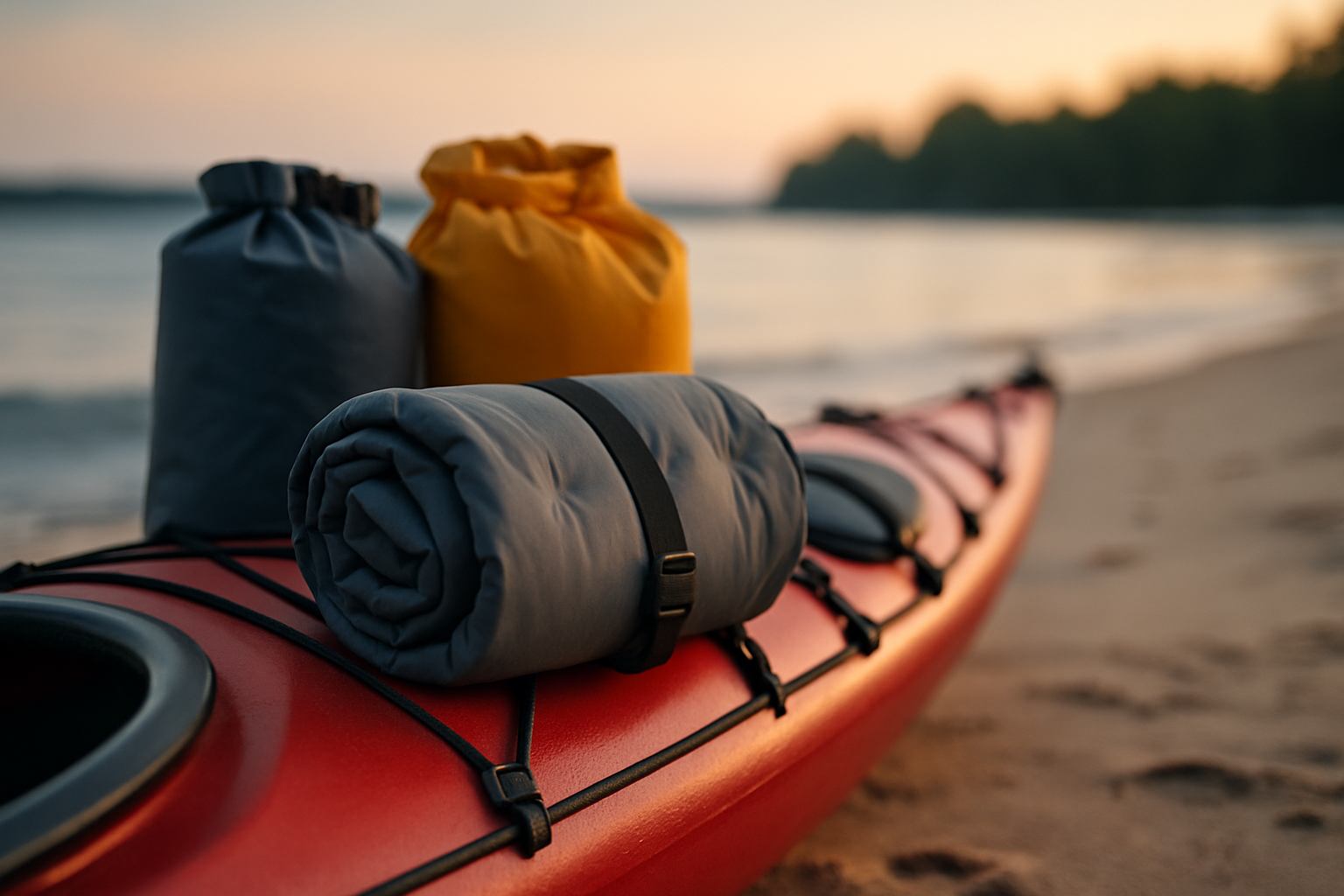
Photo by Chaewool Kim on Unsplash
Best Ultralight Sleeping Bag Liners for Kayak Trips
A sleeping bag liner is the most underrated piece of ultralight kayak camping kit. It’s a thin fabric envelope that slides inside your bag, adding insulation without bulk, extending the temperature range of gear you already own, and keeping sweat and river grit off the fill. On a three-day paddle trip, it can mean the difference between a warm night and a cold one — and it weighs almost nothing.
This guide covers what liners do, how to choose one for paddling, and the models that actually earn their place in a dry bag.
Why a Sleeping Bag Liner Matters on the Water
A liner does three jobs at once. First, it adds warmth — anywhere from 5°F to 20°F depending on the material — without forcing you to buy a heavier bag. Second, it protects your sleeping bag’s fill from moisture, river spray, and the accumulated grime of multi-day trips. Third, it washes easily and dries fast, which means your bag stays fresher longer and you pack less weight overall.
On a kayak trip, moisture is the enemy. Spray gets into your dry bag. Sweat builds up inside your sleeping bag. A liner sits between your skin and the fill, absorbing that moisture and keeping the insulation dry. According to owner reviews on paddling forums and subreddits, a liner can extend a sleeping bag’s lifespan by years in wet climates.
The weight penalty is negligible — most liners weigh 3–8 ounces depending on material — and they compress to the size of a water bottle. That’s why they’re standard kit for anyone serious about going light and staying warm.
Liner Materials: Silk vs. Synthetic vs. Cotton
The material you choose determines warmth, moisture management, and how much temperature range you add.
Silk liners are the ultralight choice. Silk is naturally temperature-regulating and breathes well, which means it pulls moisture away from your skin without trapping it. A silk liner weighs 2–4 ounces and adds 5–10°F of warmth. It dries fast and feels luxurious. The downside: silk is delicate and offers less insulation than synthetic, so it’s best for spring, summer, and early fall.
Synthetic liners (usually polyester or polyester blends) are thicker and warmer. Models with insulation built in — like thermolite or hollow-core synthetics — can add 10–20°F and work as standalone quilts in mild conditions. They’re heavier (5–8 ounces) but more durable than silk and handle rough packing better. Synthetic liners also resist mildew better in humid environments, which matters on the water.
Cotton and cotton-blend liners are warm and breathable but heavier and slower to dry. They’re less common in ultralight kayak kits because weight and packability matter more than comfort in a confined hull.
For most paddlers, the choice comes down to season. Use silk for warm months and shoulder seasons; use synthetic insulated liners for cold-water trips or extended expeditions where every degree matters.
How Liners Extend Your Sleeping Bag’s Temperature Range
A sleeping bag rated for 40°F becomes roughly a 30–35°F bag when you add a silk liner inside, based on aggregated manufacturer claims and owner testing. Add a synthetic insulated liner, and you’re looking at 20–25°F. This matters because it means you can buy one bag for summer and boost it for shoulder season, rather than carrying two bags and eating up precious hull space.
The effect isn’t magic — it depends on the liner material, your body heat, and how well you seal the bag. But most paddlers report noticeable warmth gains, especially in the shoulders and torso where liners trap dead air effectively.
On a three-day spring paddle trip, a liner can turn a marginal sleep system into a reliable one. And if you’re already carrying an ultralight summer bag, a liner costs almost nothing in weight and packs like a dream.
Silk Liners for Spring and Fall Paddling
Silk is the classic ultralight material, and for good reason. It’s soft, compresses to nothing, and adds meaningful warmth without bulk.
Cocoon Ultralight Silk Liner is the benchmark. It weighs around 3 ounces and adds 5–10°F. The mummy shape means it won’t slide around inside your bag, and the seams are flat-felled to prevent snagging on down fill. Multiple owner reports note that it dries in a few hours even after exposure to river spray, which is critical on multi-day trips where you can’t always lay gear out in the sun.
Sea to Summit Silk Liner is a close alternative, with similar warmth and a slightly roomier cut. Some users prefer the extra width for side sleepers, though the weight penalty is negligible.
Both silk liners are best for trips where temperatures stay above freezing. Once you’re looking at nights in the 30s or colder, synthetic insulation becomes more practical.
Synthetic Insulated Liners for Cold Water and Extended Trips
When you need real warmth, synthetic liners with built-in insulation earn their place in the kit.
Sea to Summit Thermolite Reactor Compact Liner is the go-to for kayak paddlers facing cold nights. It adds 10–15°F and weighs 5–6 ounces. The thermolite insulation is thin but effective, and the compact cut minimizes dead space inside your bag. Based on long-running threads on paddling subreddits, owners report that this liner turns a summer bag into a three-season system.
Sea to Summit Thermolite Reactor Extreme Liner is the thickest synthetic option. It adds 15–20°F and weighs around 8 ounces. Some ultralight paddlers use it as a standalone quilt in summer, which means it doubles as both a liner and emergency backup insulation. The tradeoff is bulk — it’s noticeably thicker than silk — but for multi-week expeditions or cold-climate paddling, the versatility justifies the weight.
Both thermolite liners are machine-washable and resist mildew, which matters when you’re living out of a dry bag for days. They also hold up to rough packing and repeated compression better than silk.
Moisture-Wicking Liners for Protection Without Insulation
If you’re already warm enough and just want to protect your bag from sweat and dirt, a moisture-wicking liner does the job for minimal weight.
Cocoon Coolmax Liner uses polyester that pulls moisture away from your skin and into the liner fabric, keeping your bag’s fill dry. It weighs around 4 ounces, adds negligible warmth, and is best for summer trips or paddlers who run warm. It’s also the most affordable entry point to the liner ecosystem.
This option makes sense if you already own a bag rated for your trip’s coldest night. The liner then becomes pure insurance: protection against sweat, river spray, and the general filth of multi-day paddling.
Fit and Sizing for Kayak Camping
Liners come in different cuts: mummy (tapered), rectangular (roomy), and semi-tapered (compromise). For kayak camping, mummy fit is usually best because it minimizes dead air and keeps the liner from shifting inside your bag during the night.
Most liners are sized to fit inside a standard sleeping bag, but it’s worth checking dimensions before you buy. A liner that’s too loose will bunch up and lose effectiveness; one that’s too tight will restrict your movement and create pressure points.
Measure your sleeping bag’s interior length and width, then compare to the liner’s stated dimensions. Most ultralight kayak bags are regular or long, so standard-size liners work fine. If you’re using a compact or mummy bag, double-check that the liner isn’t oversized.
Washing and Maintenance on the Trail
One of the hidden wins of a liner is that it’s easier to clean than your sleeping bag. On a multi-day paddle trip, you can rinse your liner in the river or a camp sink, wring it out, and hang it to dry while your bag stays in the dry bag.
Most liners are machine-washable on gentle cycle. Silk liners should be hand-washed or put in a mesh bag. Synthetic liners are more robust and can handle regular washing without degradation.
The practical upshot: a liner adds almost no maintenance burden and actually reduces the care your sleeping bag needs over its lifetime.
Packing and Weight Accounting
When you’re counting grams, a liner’s weight is worth tracking. Most liners compress to 3–8 ounces and pack to the size of a fist, adding negligible volume to your sleep system.
If you’re building a sleep system from scratch, a liner is often lighter than upgrading to a heavier insulated bag. For example, an Enlightened Equipment Revelation 20°F (1.1 lb) plus a Cocoon Ultralight Silk Liner (0.2 lb) totals 1.3 pounds, which is lighter and more versatile than a Kelty Cosmic 20°F (1.8 lb) alone. The combination lets you adjust warmth by season without carrying multiple bags.
This math is why liners are standard kit for distance paddlers and why they often ship with ultralight sleeping bags sold specifically for kayak camping.
FAQ
Q: Will a liner work with my mummy bag if I’m claustrophobic? A: A liner adds minimal bulk inside a mummy bag. If the bag itself feels restrictive, a liner won’t make it worse, but it also won’t solve the problem. Test the combination before a trip.
Q: Can I use a liner in a sleeping bag quilt? A: Yes. Quilts have an open foot box, so a liner slides in easily and adds warmth without restricting movement. Mummy-cut liners work best; rectangular liners may bunch at the foot.
Q: How often should I wash my liner? A: Not after every trip. If you’ve slept clean and the liner isn’t visibly dirty, air it out and repack it. Rinsing it in the river during multi-day trips helps keep odor and mildew at bay. Full washing every 3–5 trips is typical.
Q: Can a synthetic liner work as a standalone quilt for summer camping? A: Thicker synthetic liners like the Thermolite Reactor Extreme can work as emergency backup insulation in mild conditions (50°F+), but they shouldn’t be your primary sleep system. They’re designed to supplement a bag.
Q: Are silk liners worth the extra cost over synthetic? A: For warm-season paddling, yes. Silk is lighter, compresses smaller, and feels better against skin. For cold water, synthetic insulated liners are more practical because they add real warmth at minimal weight penalty.
Finding the Right Liner for Your Trips
A sleeping bag liner is a small decision with outsized impact. It costs almost nothing in weight, packs like a dream, and solves two problems at once: warmth and protection. Whether you’re doing a three-day spring float or a two-week expedition, a liner earns its place in the dry bag.
Start with your trip’s coldest night. If you’re paddling in summer and temperatures stay above 50°F, a silk liner or moisture-wicking option is enough. If you’re facing nights in the 30s or 40s, go synthetic insulated. And if you want to keep your bag clean and extend its lifespan, any liner is better than none.
The river changes everything — including how you sleep. A liner is one of the simplest ways to stay warm, stay dry, and stay light. Pack one on your next trip and you’ll wonder how you ever paddled without it.
Top Picks
- Cocoon Ultralight Silk Liner — The ultralight standard for spring and fall paddling, weighs almost nothing, dries fast.
- Sea to Summit Thermolite Reactor Compact Liner — Adds 10–15°F of real warmth for cold-water trips, crushes small, works as backup insulation.
- Sea to Summit Thermolite Reactor Extreme Liner — Thickest synthetic option, turns a summer bag into a three-season system, doubles as standalone quilt.
- Cocoon Coolmax Liner — Moisture-wicking protection without insulation, budget-friendly, best for warm-season paddling.
Related Reading
For a complete sleep system, explore these guides:
- Best Ultralight Sleeping Bag for Cold Water Kayaking — Choosing the right bag for your water temperature. A liner adds warmth from above; pair it with an insulated bag rated for your coldest night.
- Best Ultralight Sleeping Pad for Kayak Camping in 2026 — Insulation from below is just as important as insulation from above. A liner adds warmth from inside your bag; an insulated pad prevents heat loss to the ground.
- Down vs. Synthetic Ultralight Sleeping Bags for Wet Climates — Understanding fill materials for paddling conditions. A liner protects your bag’s fill from moisture; choose the right fill material for your climate.
- Best Compact Sleeping Bags for Paddling: Lightweight & Warm — Ultralight bags designed specifically for kayak camping. Many paddlers pair compact bags with liners to save hull space while maintaining versatility.