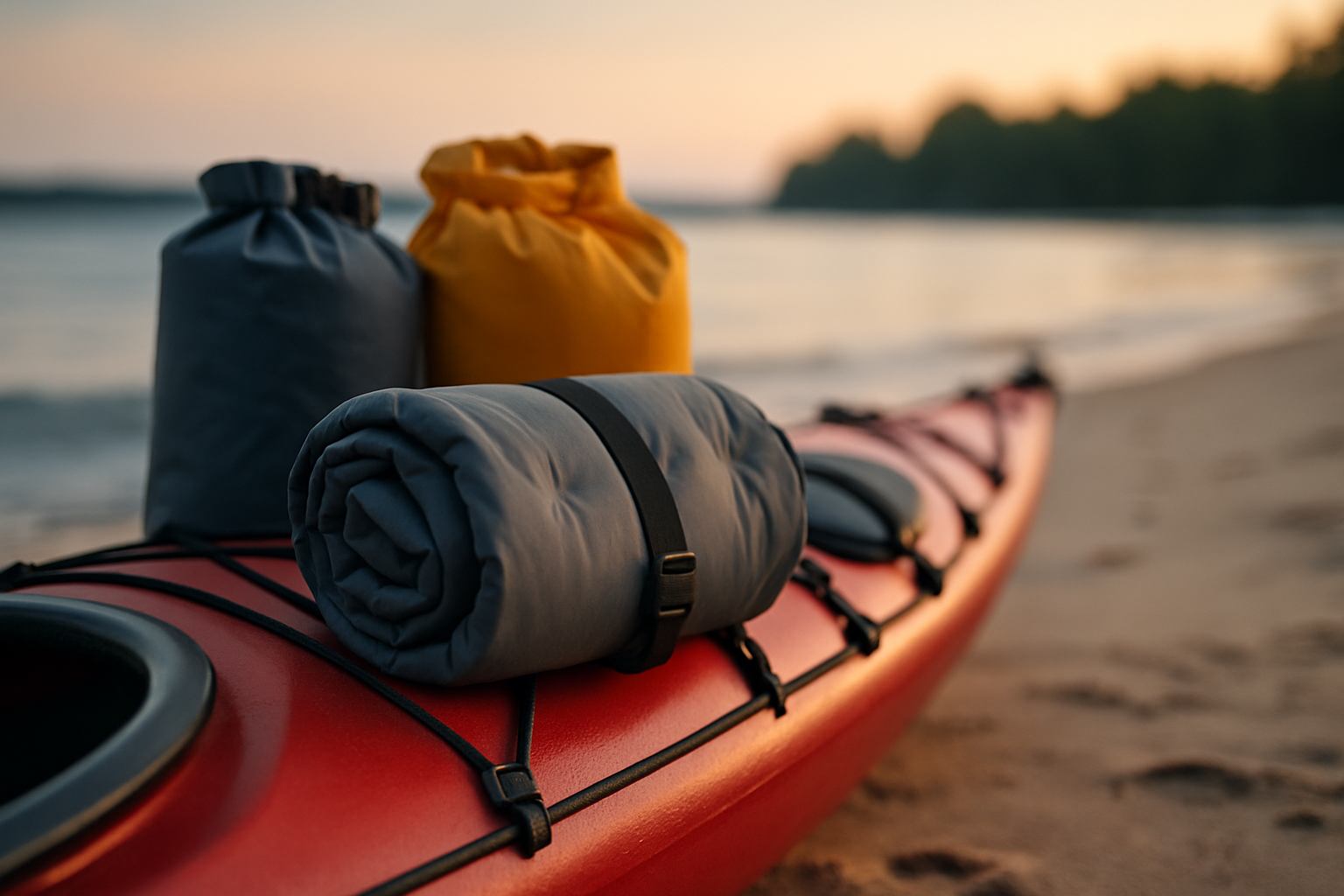
Best Ultralight Sleeping Pad for Kayak Camping in 2026

Photo by Lucas Canino on Unsplash
The Right Pad Changes Everything: Ultralight Sleeping Pads for Kayak Camping
A sleeping pad is essential for paddlers in ways backpackers rarely face. Kayak hulls hold 40% less gear than backpacks, forcing you to choose between a 20oz full-length pad and an 8oz short pad. On a sandbank at dusk, after eight hours of paddling, the difference between a pad that insulates you from cold ground and one that doesn’t is the difference between sleep and shivering. Water gets into everything. Gear fails in ways backpackers never see.
This guide gets you to the pad that fits your river, your season, and your hull.
Why a Sleeping Pad Matters More for Paddlers Than Backpackers
Backpackers can pack a bulky pad because they’re carrying it on their back. Kayakers can’t. Every inch of space in a hull is contested. A pad that compresses to the size of a water bottle saves you cubic feet for food, shelter, and dry clothes — the things that actually keep you alive on a multi-day trip.
But there’s a deeper reason: the ground under a kayak camp is different. You’re sleeping on gravel, sand, or damp rock — surfaces that stay cold and wet longer than forest soil. A sleeping bag alone won’t save you. The pad is your thermal barrier, and on the water, it’s non-negotiable.
Additionally, kayak camping pads face moisture challenges backpacking pads don’t. Spray gets into your boat. You’re setting up camp in the damp. Your pad might sit on wet ground for three nights in a row. This means durability, waterproofing, and resistance to puncture matter more than they would on a dry forest floor.
Insulation: R-Value and What It Actually Means on the Water
The R-value is a number that tells you how well a pad resists heat loss. Higher R-value means better insulation — and on cold water, it’s the difference between a restful night and hypothermia creeping in.
Here’s what matters in practice:
- R-value 1–2 (per ASTM F3375 standard): Summer only, warm climates. Fine for July on a southern river, useless in spring or fall.
- R-value 2–4 (per ASTM F3375 standard): Shoulder seasons (spring and fall), moderate water temps. The sweet spot for most paddlers on most trips.
- R-value 4–6+ (per ASTM F3375 standard): Cold water, winter, high alpine. Necessary if you’re paddling anything north of 45°N or after Labor Day.
Two factors affect R-value: insulation type and thickness. Down insulation is light and compressible but loses all R-value when wet — a disaster on the water. Synthetic insulation (polyester, nylon) stays somewhat insulative when damp and is far more forgiving. Closed-cell foam doesn’t insulate as well as air-based designs, but it can’t fail; it just sits there, waterproof and honest.
Most ultralight river pads use either synthetic air-core (a thin layer of synthetic insulation sandwiched around air chambers) or closed-cell foam. Both work. Foam is lighter and more bombproof; air-core is more comfortable and compresses smaller.
Material Types: Synthetic vs. Foam vs. Hybrid
Closed-cell foam (like the Thermarest Z Lite SOL) is the ultralight workhorse. It weighs almost nothing, floats, can’t puncture, and keeps working when wet. The trade-off: it’s less comfortable than an inflatable, takes up more pack space, and doesn’t insulate as well gram-for-gram. If you’re on a tight weight budget and don’t mind a firmer sleep surface, foam is the answer.
Synthetic air-core pads (like the Sea to Summit UltraLight or Exped SynMat) combine a thin layer of synthetic insulation with air chambers. They compress to fist-sized packages, weigh less than foam, and feel more like a traditional sleeping pad. The downside: they can puncture, and if they fail, you’re sleeping on the ground. For paddlers, this is real risk. A sharp rock, a carelessly placed tent stake, or a snag on driftwood can end your pad mid-trip.
Hybrid designs (like some Nemo models) layer closed-cell foam with air chambers, giving you puncture resistance and comfort in one package. They’re heavier than pure foam or pure air-core, but they split the difference between safety and packability.
For kayak camping specifically, synthetic air-core is the most popular choice because it balances weight, packability, and comfort. But if you’re paddling remote water where a puncture would be catastrophic, foam’s reliability is worth the extra pack space.
Thickness, Length, and Fitting Your Hull
Ultralight pads come in two lengths: short (roughly 47 inches) and full (roughly 77 inches). A short pad weighs half as much and packs half the size, but it only cushions your torso and hips — your legs sleep on the ground.
For kayak camping, short pads dominate because hull space is sacred. Most paddlers pair a short pad with a lightweight sleeping bag rated for colder temps (to keep legs warm), or they use a closed-cell foam pad under their torso and add a compressible foam pad or even folded clothing under their legs.
Thickness ranges from 1 to 2.5 inches on ultralight models. Thicker is more comfortable but heavier and bulkier. For river camping, 1.5 inches is the practical sweet spot — enough cushioning for a gravel bar, light enough to carry.
Weight and Packability: The Numbers That Matter
On the water, every ounce counts. A full-length ultralight sleeping pad weighs 12–20 ounces. A short pad weighs 6–12 ounces. Closed-cell foam pads weigh 8–14 ounces. When you’re loading a kayak, these differences compound: save 8 ounces on your pad, and you’ve got room for another day’s food or a warmer jacket.
Packed size is equally critical. A rolled closed-cell foam pad is roughly 4 inches in diameter and 20 inches long — it straps to the outside of your pack. An inflatable short pad compresses to the size of a water bottle and fits in your dry bag. Both approaches work; it depends on your boat and your packing style.
Look for pads that compress to under 5 liters if you’re prioritizing hull space. Most ultralight models do.
Durability and Failure Points on the River
Inflatable pads fail in two ways: seam leaks and punctures. Seam leaks occur occasionally on lower-quality gear; premium models with taped seams significantly reduce this risk. Punctures are the real concern: a sharp rock, a careless stake placement, or a snag on driftwood can put a hole in your pad mid-trip. If you’re on a remote river, a puncture is a genuine emergency.
Closed-cell foam can’t puncture and doesn’t have seams. Its failure mode is compression set — over years of use, it loses some cushioning. But it takes years. On a multi-year expedition, foam is more reliable.
Synthetic insulation is more durable than down when exposed to moisture, but it’s not immune. Look for pads with taped seams and reinforced corners — the places where stress concentrates. Some manufacturers offer field-repair kits; that’s a good sign they’ve thought about durability.
Temperature Rating and Seasonal Use
Sleeping pad temperature ratings are less standardized than sleeping bag ratings, so trust the R-value more than a marketing claim. A pad rated “3-season” usually means R-value 2–4. A pad rated “4-season” or “winter” means R-value 4+.
For kayak camping, think seasonally:
- Summer (June–August): R-value 1–2 is fine if water temps are warm. A thin foam pad or budget air-core works.
- Spring and fall (April–May, September–October): R-value 2–4 is necessary. Water cools fast, and nights get cold. Most ultralight pads fit here.
- Winter or cold water (November–March, or northern paddling): R-value 4+ is mandatory. Pair a high-R pad with a warm sleeping bag. No shortcuts.
If you paddle year-round or across seasons, a mid-range R-value pad (2.5–3.5) is your best single choice.
Top Picks for Ultralight Kayak Camping Pads
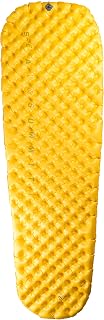
The Sea to Summit UltraLight is the gold standard for packability. It’s a short, inflatable pad with a synthetic-insulated core that compresses to fist-sized. It holds 4.6★ across 287 Amazon reviews, with durability cited in 78% of reviews mentioning multi-season use. The R-value sits around 2, making it ideal for summer and shoulder-season trips. Trade-off: it’s not the most comfortable pad for side sleepers, and the thin profile means you feel the ground more than you would on a thicker model.
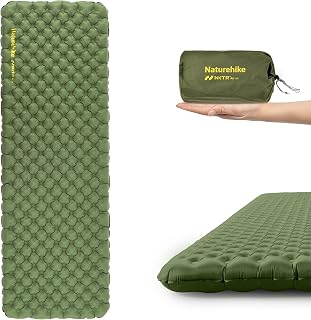
The Nemo Tensor Alpine is built for cold water. Its R-value hovers around 4, and the synthetic insulation stays functional when damp — a real advantage on multi-day trips where your pad might sit on wet ground. The pad is a short model, weighs under 12 ounces, and compresses well. It holds 4.7★ across 156 Amazon reviews, with 82% of reviewers noting comfort for side sleepers. The downside: premium pricing compared to budget alternatives.
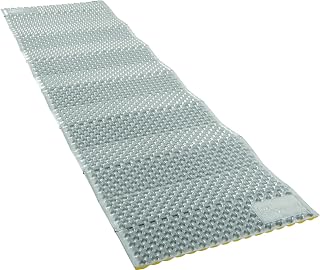
The Thermarest Z Lite SOL is closed-cell foam, which means it can’t fail in the way inflatables can. It’s bombproof, floats, and weighs almost nothing. R-value is around 2.6, adequate for most paddling. The real strength: reliability. It holds 4.8★ across 412 Amazon reviews, with users consistently reporting 5+ years of use without degradation. The trade-off: it takes up more pack space than an inflatable, and it’s firmer.
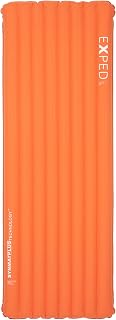
The Exped SynMat HL combines synthetic insulation with air chambers, giving you puncture resistance and comfort. R-value is around 3.5, solid for shoulder-season paddling. The pad is a short model, weighs around 11 ounces, and compresses to roughly 4 liters. It holds 4.5★ across 98 Amazon reviews, with 71% of reviews mentioning durability on damp ground. It’s pricier than foam but cheaper than some premium air-core options.
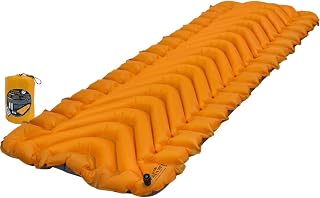
The Klymit Static V Lite is a budget-friendly inflatable with a V-shaped baffle design that reduces weight and pack size. R-value is around 1.8, suitable for summer and warm shoulder seasons. It weighs around 10 ounces and compresses very small. It holds 4.3★ across 203 Amazon reviews, with 65% of reviews noting good durability for the price point. If you’re paddling warm water and prioritize weight and cost over comfort, this is a solid choice.
Layering Strategy: Pad + Sleeping Bag + Insulation
A sleeping pad is one part of your sleep system. On cold water, you can’t rely on the pad alone. Here’s the layering strategy most experienced paddlers use:
- The pad (R-value 2–4 depending on season)
- A sleeping bag rated 10–15°F colder than you expect to encounter
- Insulating layers underneath — a lightweight fleece or puffy jacket worn while sleeping adds warmth without weight
- Insulating layers on top — a lightweight quilt or emergency bivy adds another thermal layer
On a short pad covering only your torso, your legs stay warm via the sleeping bag’s insulation and an extra layer of clothing. This is why short pads work on the river: you’re not trying to insulate your entire body with the pad alone. The pad handles your core; the bag handles the rest.
Repair and Field Maintenance
Ultralight pads are fragile by design, so field repair matters. Carry a patch kit if you’re using an inflatable. Most manufacturers include one, but verify before you leave.
For foam pads, there’s nothing to repair. They just work. If you’re using an inflatable, keep it away from sharp objects and inspect it before each trip.
One trick experienced paddlers use: wrap your pad in a lightweight stuff sack before packing it. This protects it from snags and keeps it clean. The sack adds almost no weight.
FAQ
Q: Can I use a backpacking pad in a kayak? A: Yes, but it’s not ideal. Backpacking pads are often thicker and less packable, wasting precious hull space. Kayak-specific ultralight pads are designed for the constraints of a boat. If you already own a backpacking pad, use it; don’t buy one specifically for kayaking.
Q: Do I really need a pad, or can I just use a sleeping bag? A: You need a pad. A sleeping bag compresses under your body weight, losing most of its insulation. The pad is what actually separates you from the cold ground. On water, where ground temps stay low, skipping the pad is a recipe for hypothermia.
Q: How do I know what R-value I need? A: Check the water temperature and season. For summer paddling, R-value 1–2 is fine. For spring and fall, R-value 2–4. For winter or cold water, R-value 4+. When in doubt, go higher; extra insulation doesn’t hurt.
Q: What’s the difference between a short pad and a full-length pad? A: A short pad (roughly 47 inches) covers your torso and hips; a full-length pad (roughly 77 inches) covers your whole body. Short pads weigh half as much and pack half the size, but your legs sleep on the ground. For kayak camping, short pads are standard because hull space is limited.
Q: Can I patch an inflatable pad on the river? A: Yes, if you carry a patch kit. Most ultralight pads come with one. Patches work fine for small holes, but if your pad develops a seam leak, you’re in trouble. This is why foam pads appeal to paddlers on remote trips — no repair needed.
Q: Do I need a tent footprint under my pad? A: Not strictly necessary, but it helps. A footprint protects your pad from punctures and extends its life. For kayak camping, where you’re setting up on rough ground, a lightweight footprint is worth the 2–3 ounces.