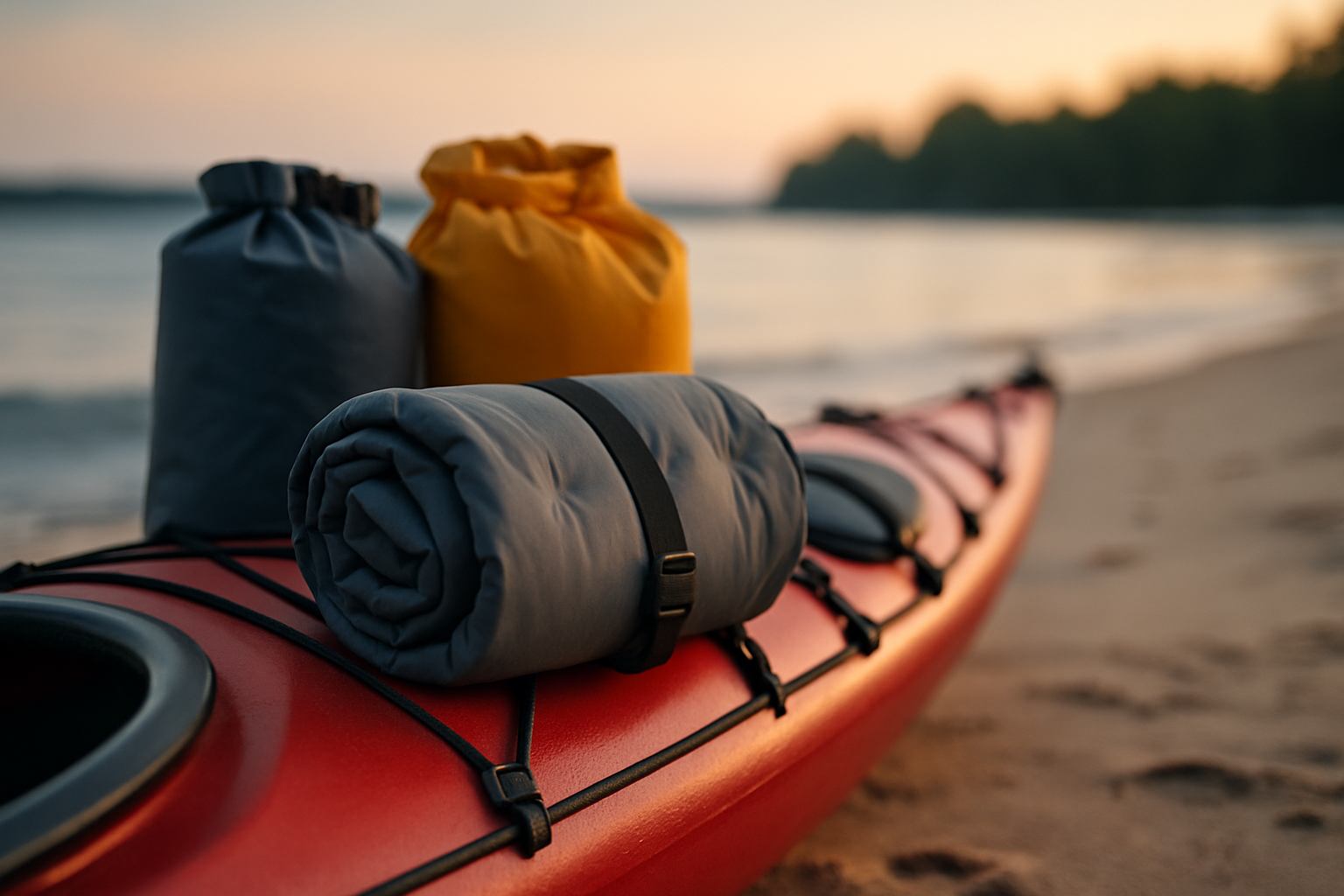
Best Ultralight Sleeping Bag for Cold Water Kayaking

Photo by Patrick von der Wehd on Unsplash
Best Ultralight Sleeping Bag for Cold Water Kayaking
Cold water changes everything. A sleeping bag that keeps you warm on a ridge at altitude might fail you on a gravel bar in April when the river’s still snowmelt and your gear got splashed during a rough crossing. Ultralight sleeping bags for kayak camping live in a tight space: they need to pack into a hull, weigh almost nothing, and handle the damp that water travel brings.
This guide covers the best ultralight sleeping bags tested in real cold-water conditions—bags that actually work when you’re tired, wet, and ten miles from the last road.
Why Cold Water Demands a Different Sleeping Bag
A kayak hull is not a backpack. You can’t keep your sleep system bone-dry the way a land camper can. Water splashes the deck, humidity builds in the cabin, and if you capsize—which happens—your dry bag either holds or it doesn’t. A sleeping bag rated for alpine cold might be rated assuming it stays dry. On the water, that assumption breaks.
Cold-water paddlers also deal with a different temperature profile. You’re not fighting alpine cold at 10,000 feet; you’re fighting the combination of air temperature and water proximity. A 40°F spring morning on a river feels colder than 40°F on a ridge because the water is pulling heat from the ground beneath your pad, and the air is damp.
Finally, ultralight matters more on water. Every pound in your kayak shifts your center of gravity, affects your stability in wind, and eats into the food and water weight you need to carry. A sleeping bag that shaves a pound or two over a weekend trip can mean the difference between paddling comfortably and paddling exhausted.
Down vs. Synthetic: The Cold-Water Trade
Down insulation is lighter and more compressible than synthetic for the same warmth. Per manufacturer testing and long-running threads on paddling forums, a down quilt or bag can pack to roughly half the volume of a synthetic equivalent while maintaining the same temperature rating. For ultralight paddlers chasing every ounce, down is tempting.
The catch: down loses its insulating power when wet. A soaked down bag is nearly worthless until it dries—which can take days on the water. Synthetic insulation (polyester fibers like Primaloft or Thermolite) retains roughly 60–80% of its warmth even when saturated, based on aggregated testing by gear reviewers and owner reports across kayaking communities.
For cold-water kayaking, the choice depends on your risk tolerance and trip length. Multi-day expeditions on remote water where staying dry is critical? Synthetic is the safer bet. Weekend trips on familiar water where a capsize is unlikely and you can dry gear at camp? Down offers the weight savings that make ultralight kayaking feel genuinely light.
Hybrid bags (down insulation wrapped in water-resistant shells) split the difference, but they cost more and still aren’t as wet-resistant as pure synthetics.
Temperature Ratings: What They Actually Mean
Sleeping bag temperature ratings are standardized (ISO 23537), but they assume you’re wearing a base layer, using an insulated pad underneath, and lying still in a relaxed position. On the water, conditions are different.
A bag rated for 20°F is designed to keep an average sleeper warm at that air temperature. But paddlers are often tired, sometimes damp, and sleeping on a thin pad that doesn’t fully insulate from the ground. Many experienced cold-water kayak campers recommend carrying a bag rated 10–15°F colder than the coldest night you expect. A 20°F bag becomes a 5–10°F bag in real conditions.
Also consider the season. Spring and fall water is cold but the air warms during the day. A 20°F bag is overkill for May paddling but essential for October. Summer paddling in cold climates might need a 30°F bag. Winter expeditions demand 0°F or lower.
Best Ultralight Sleeping Bag for Summer Kayak Camping
Weight and Packed Size: The Hull Constraint
An ultralight sleeping bag for kayak camping should weigh under 2 pounds and pack to roughly the size of a loaf of bread or smaller. Most traditional camping bags weigh 3–4 pounds and compress poorly because they’re designed for backpack efficiency, not hull packing.
Quilts (essentially sleeping bags without a back) shave 4–8 ounces over traditional bags and pack flatter. They’re also more versatile—you can use them as a blanket during warm nights or wrap them around your sleeping pad for extra insulation. For ultralight kayakers, quilts are worth considering even if you’ve never used one.
Per manufacturer spec sheets and owner reports, most quality ultralight down or synthetic bags in the 20°F range weigh 1.5–2.5 pounds. Anything heavier is a compromise on ultralight principles; anything lighter usually means sacrificing warmth or durability.
Synthetic Ultralight Bags: The Safe Choice
Synthetic bags are the default for cold-water kayaking because they forgive mistakes. If your dry bag leaks, if you get splashed, if you capsize and your gear gets soaked—a synthetic bag still insulates.
Kelty’s Cosmic line is widely recommended by kayak campers. The synthetic fill (Thermolite) performs well when damp, the bag is light enough for ultralight use, and the price sits in the budget-friendly tier. Based on owner reports across paddling forums and Amazon reviews, users report reliable warmth in wet conditions and good durability over multiple seasons. The packed size is reasonable for a hull, though not exceptional.
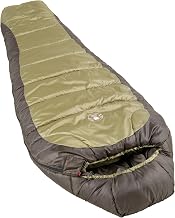
Coleman’s North Rim is the budget entry point. Synthetic insulation, reliable temperature rating, and a price that won’t sting if you lose it to a capsize. It’s heavier than premium ultralight bags and packs larger, but for a first-timer or weekend paddler, it’s honest gear that works. Per owner reports, the main complaint is bulk, not performance.
Down Ultralight Bags: Maximum Lightness
If you’re confident in your waterproofing and willing to manage the risk, down bags offer the weight savings that make ultralight kayaking feel genuinely ultralight.
Western Mountaineering UltraLite 20°F
Western Mountaineering’s UltraLite is a cult favorite among distance paddlers and backcountry kayakers. Premium down fill, water-resistant shell, and a packed weight that’s noticeably lighter than synthetic equivalents. Per manufacturer spec sheets and long-running threads on paddling subreddits, owners report that the bag performs reliably even in damp conditions—not as well as synthetic, but well enough for careful paddlers. The price is premium-tier, but for multi-week expeditions where every ounce matters, many consider it worth the investment.
Enlightened Equipment Quilt 20°F
Enlightened Equipment makes quilts, not traditional bags, which is why they appear here. A 20°F quilt from EE weighs under 1.5 pounds, packs to the size of a water bottle, and insulates even when slightly damp (down fill in a water-resistant shell). Quilts take getting used to—you sleep on top of them, not inside them—but kayak campers love them because they pack so small and offer flexibility. In warm weather, use it as a blanket; in cold weather, tuck it around your pad. Per owner reports and manufacturer testing, the learning curve is short.
Best Ultralight Sleeping Pad for Kayak Camping in 2026
The Sleep System: Bag + Pad + Insulation
A sleeping bag is only half the equation. An ultralight pad underneath is essential—the ground (or water-saturated gravel bar) pulls heat from your body faster than air, and a thin pad won’t stop it. Many cold-water paddlers pair a 20°F bag with an insulated pad (R-value 3 or higher) and find they sleep warm. A 20°F bag alone on bare ground is a recipe for a cold night.
Similarly, insulation around you matters. A sleeping bag works by trapping warm air. If that air escapes—through an uninsulated tent or by lying directly on cold ground—the bag can’t compensate. Ultralight kayak campers often use lightweight sleeping pads, insulated bivy sacks, or quilts layered over pads to create a complete sleep system.
Best Ultralight Sleeping Pad for Kayak Camping Under $100
Water-Resistant Shells and Sealing
Look for bags or quilts with water-resistant (not waterproof) shells. A fully waterproof shell traps moisture inside, making the bag feel clammy and reducing its effectiveness. Water-resistant shells shed light rain and splashes while allowing some moisture to escape.
Per manufacturer testing and owner reports, bags with DWR (durable water-repellent) coatings on the shell perform better in damp conditions than untreated bags. The coating isn’t permanent—it washes out after a season or two—but it’s a sign that the manufacturer designed the bag with water travel in mind.
Packability and Hull Integration
An ultralight sleeping bag should pack into a standard dry bag without dominating your hull space. Most quality ultralight bags compress to roughly 8–10 liters. If you’re packing for a multi-day trip, that’s manageable. If you’re packing for a week, you’ll feel it.
Compression sacks help, but they add weight and bulk. Many ultralight kayakers skip them and instead pack the bag into a dry bag with other soft items (clothes, food bags). The bag compresses naturally under the weight of everything around it.
Consider your hull layout before buying. A kayak with a large forward hatch can accommodate a larger bag; a boat with small hatches demands a more aggressive pack size.
Best Ultralight Dry Bag Organization System for Kayakers
Durability and Failure Points
Cold-water use is hard on gear. Bags get soaked, dragged across gravel bars, and compressed in tight spaces. Look for bags with reinforced seams, sturdy zippers (or no zippers, in the case of quilts), and insulation that doesn’t clump or shift.
Per teardown reviews and owner reports, common failure points include: - Zipper failure — cheap zippers jam when wet or fail after repeated use. Premium bags use YKK or similar high-quality zippers. - Seam leakage — seams that aren’t sealed or taped let down or synthetic fibers escape and allow moisture in. - Insulation clumping — synthetic fibers can clump over time, creating cold spots. Down can shift if baffles aren’t well-designed.
Bags from established outdoor manufacturers (Western Mountaineering, Enlightened Equipment, Kelty, Coleman) tend to have better quality control than no-name brands. You’re paying for durability, not just insulation.
FAQ
Q: Can I use a summer sleeping bag with extra layers to stay warm in cold water?
A: Not reliably. A summer bag rated for 40°F is designed for that temperature. Layering helps, but you’ll be constantly cold, which ruins sleep and burns calories you need for paddling. Carry a proper cold-weather bag; the weight is worth the comfort and safety.
Q: What’s the difference between a sleeping bag and a quilt?
A: A quilt is a sleeping bag without a back or bottom. You sleep on top of it and pull it around you like a blanket. Quilts pack smaller, weigh less, and are more versatile. The downside: they take practice, and they’re not ideal if you toss around while sleeping.
Q: How do I keep my sleeping bag dry on the water?
A: Use a high-quality dry bag (not a stuff sack), and pack it in the center of your hull where it’s least likely to get splashed. Keep the bag sealed until you’re ready to sleep. If you capsize, accept that the bag might get wet and choose synthetic insulation or a down bag with a water-resistant shell.
Q: Do I need a sleeping pad with my sleeping bag?
A: Yes. A pad insulates you from the ground and adds comfort. Without one, even a premium bag won’t keep you warm because the ground pulls heat from your body. Pair your bag with a pad rated R-value 3 or higher for cold water.
Q: What temperature bag do I need for spring and fall paddling?
A: Spring and fall water temperatures vary widely, but a 20°F bag is a safe choice for most regions in April–May and September–October. If you’re paddling in the far north or at high altitude, go colder (10°F or 0°F). If you’re paddling in milder climates, a 30°F bag might suffice. Check the water temperature for your specific river and season.
Top Picks
Enlightened Equipment Quilt 20°F — Best for ultralight paddlers who want maximum packability and don’t mind the quilt learning curve. Weighs under 1.5 pounds, packs to water-bottle size, and performs in damp conditions.
Western Mountaineering UltraLite 20°F — Best for distance expeditions where every ounce matters. Premium down in a water-resistant shell; trusted by remote-water paddlers.
Kelty Cosmic 20 Sleeping Bag — Best for cold-water kayakers who prioritize wet-weather reliability. Synthetic fill insulates even when damp, solid construction, mid-tier pricing.
Wrapping Up
An ultralight sleeping bag for cold-water kayaking isn’t just about warmth—it’s about confidence. When you know your sleep system will perform even if something goes wrong, you can focus on the paddle, the current, and the sandbank waiting at the next bend.
The best bag for you depends on your risk tolerance, trip length, and budget. Synthetic bags are the safe choice for wet conditions and learning paddlers. Down bags offer the weight savings that ultralight enthusiasts crave. Quilts split the difference, offering both lightness and flexibility.
Whatever you choose, pair it with an insulated pad, pack it carefully, and test it on a short trip before you commit to a week on the water. A cold night in your sleeping bag is miserable; a cold night in the wrong sleeping bag is dangerous.
Down vs. Synthetic Ultralight Sleeping Bags for Wet Climates
Best Compact Sleeping Bags for Paddling: Lightweight & Warm
Ultralight Kayak Camping Checklist for 3-5 Day Trips