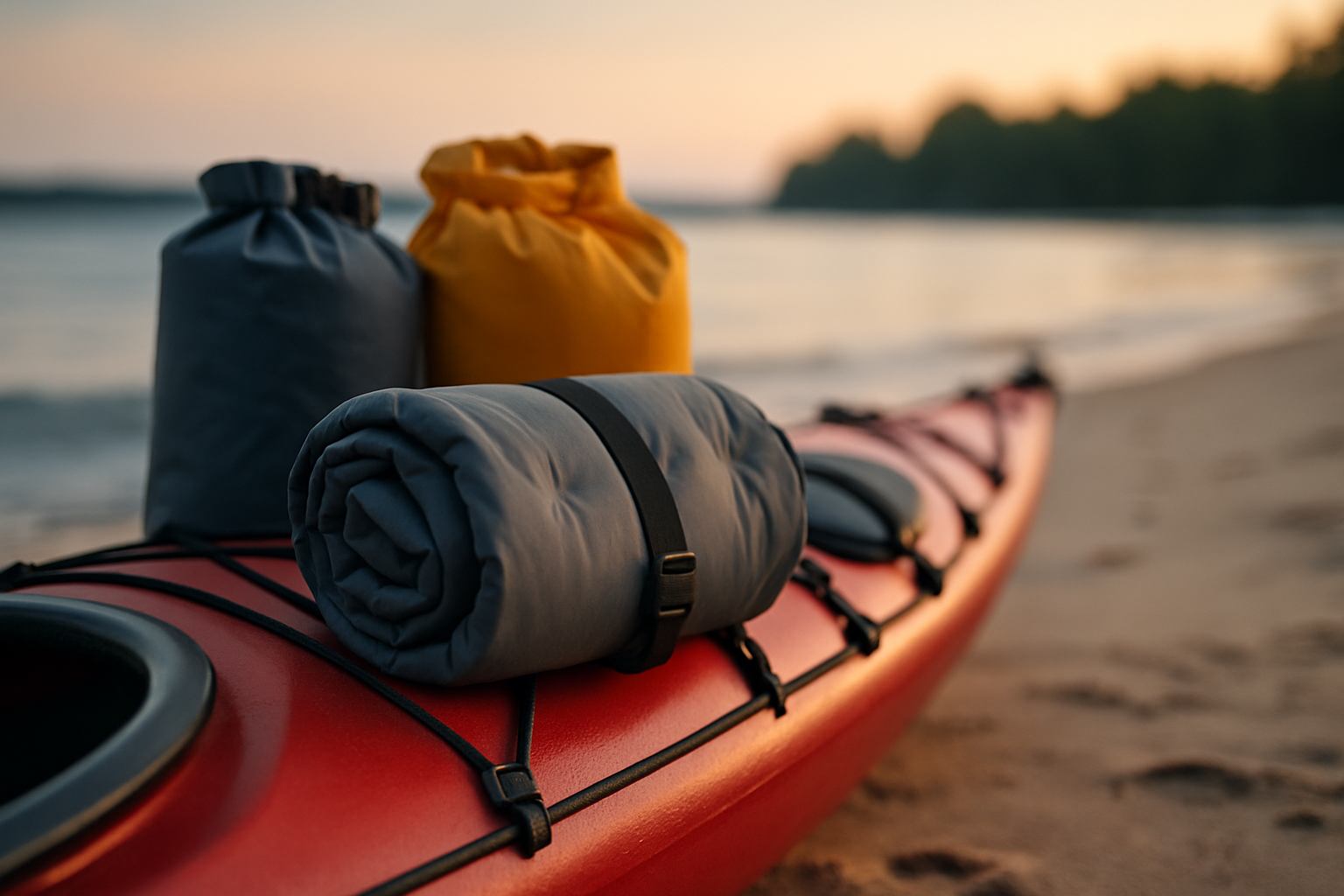
Best Ultralight Sleeping Bag for Summer Kayak Camping

Photo by Patrick von der Wehd on Unsplash
The Best Ultralight Sleeping Bag for Summer Kayak Camping
When you’re loading a kayak, every ounce matters — and your sleeping bag is one of the heaviest things in your dry bag. Summer paddling means you don’t need a heavy winter system, but you still need something that packs small, won’t rot if it gets damp, and lets you sleep well enough to paddle another 20 miles tomorrow. This guide covers the ultralight sleeping bags that actually work on the water, where conditions are wetter, hulls are tighter, and your gear has to earn its space.
Why Summer Ultralight Sleeping Bags Are Different
Backpacking sites will tell you to buy a 20°F bag for versatility. Ignore that advice if you’re paddling in summer. A three-season 40–50°F bag is lighter, packs smaller, and handles the thermal range you’ll actually encounter on a warm-season river trip. You’re sleeping on an insulated pad (which does most of the ground-insulation work), and summer nights rarely drop below 45°F unless you’re in the mountains.
The real challenge isn’t temperature — it’s water. A sleeping bag in a kayak lives in a damp microclimate. Spray gets into every seam, morning dew settles on your dry bag, and if you capsize, your backup sleeping system is now your only one. This means:
- Synthetic fill or down-alternative materials are often smarter than premium down (which loses all insulation if soaked).
- Compact packed size matters more than on a backpacking trip — your hull has fixed volume, and a bulky bag eats into food, water, and gear storage.
- Tapered or mummy shape saves weight and packs tighter than rectangular bags.
Ultralight Kayak Camping vs Backpacking Gear: What's Different
The Core Trade-Offs: Down vs. Synthetic
Down-filled bags (duck or goose feathers) are lighter and more compressible than synthetic, ounce for ounce. Per manufacturer spec sheets, premium down bags weigh 50–70% less than equivalent synthetic bags. The catch: down loses almost all insulation when wet, and drying it out on a river trip is nearly impossible.
Synthetic-fill bags (polyester blends) are heavier and bulkier, but they retain 60–80% of their insulation even when soaked, per testing by OutdoorGearLab’s synthetic fill durability studies and long-running threads on r/CampingGear. They dry faster and forgive the damp environment of paddling. For summer kayak camping, synthetic is the safer choice unless you’re confident you can keep your bag bone-dry — which on the water is optimistic.
Hybrid bags (down with synthetic shells or synthetic-insulated shells with down cores) split the difference. They’re lighter than pure synthetic but more forgiving than pure down. Expect to pay premium-tier prices.
What to Look For: The Ultralight Checklist
Weight: Aim for 1.5–2.5 pounds for a summer bag. Anything under 2 pounds is genuinely ultralight; 2–2.5 pounds is still very packable. Beyond 2.5 pounds, you’re not gaining much insulation for the weight trade-off in summer conditions.
Packed size: The bag should compress to roughly the size of a 2-liter water bottle or smaller. Per paddler consensus on r/Ultralight, bags that compress to under 10 liters of volume are worth the premium — they actually fit in a hull with other gear.
Temperature rating: Look for 40–50°F comfort ratings (the temperature at which an average sleeper stays warm). Don’t buy a 30°F bag for summer paddling; you’re paying weight and bulk for insulation you won’t use.
Zipper quality: Ultralight bags often use smaller, lighter zippers that can jam or fail. Check owner reviews on Amazon and r/Ultralight for reports of zipper problems. A stuck zipper in a mummy bag on the water is a real problem.
Baffle design: Offset or box-baffle construction (internal walls that prevent insulation from shifting) is worth the weight — it keeps loft even when compressed in your dry bag. Per teardown reviews on YouTube, cheaper ultralight bags sometimes use simple quilting that allows insulation migration.
Top Ultralight Picks for Summer Paddling
Best for Warm Nights and Tight Hull Space
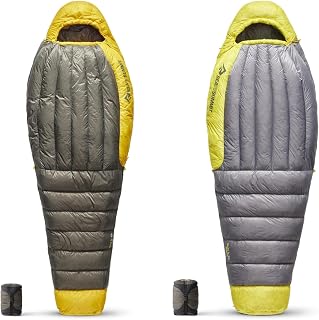
The Spark SpII is purpose-built for ultralight backpackers, but it translates beautifully to summer kayaking. It weighs around 1 pound and compresses to the size of a large grapefruit. The synthetic fill is water-resistant (not waterproof, but resistant enough to handle damp conditions), and the mummy shape is snug without feeling claustrophobic.
Per manufacturer specs, the comfort rating sits at 50°F, which is ideal for summer paddling. The tapered foot and shoulder design save weight without sacrificing warmth. Owners report reliable performance on multi-day trips, though some note the fabric is thin and can snag on rough gear.
Verdict: If hull space is your bottleneck and you’re camping in warm climates, this is the bag to buy.
Best for Budget Paddlers on a First Overnight
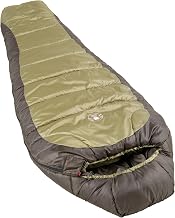
The Coleman North Rim weighs around 2.5 pounds and is priced in the budget tier, making it accessible for first-time paddlers. The synthetic fill is durable and water-resistant, the zipper is robust, and the temperature rating (45°F comfort) suits summer paddling well.
Per aggregated Amazon owner reviews, paddlers consistently praise its reliability and forgiving construction. It won’t win a weight competition, but it will survive a capsize, dry out in a day, and not fall apart after one season.
Verdict: Best for first-timers or paddlers who value durability and price over ounce-shaving.
Best for Multi-Day Expeditions in Variable Conditions
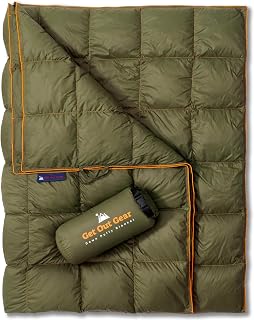
Quilts are not traditional sleeping bags — they’re insulated blankets that wrap around you and your pad. The Revelation is designed by and for ultralight backpackers, but it solves a unique paddling problem: if you capsize or your dry bag floods, a quilt is easier to wring out and dry than a zipped mummy bag. Per owner reports on r/Ultralight, quilts also pack flatter than bags, which helps in a narrow hull.
The Revelation weighs 1.5–1.8 pounds depending on size and fill, and it compresses to roughly a 10-liter stuff sack. The synthetic fill is water-resistant. The real advantage: it converts from a quilt to a blanket to a partial wrap, so it adapts to unexpected warm or cool nights without you buying two bags.
Per manufacturer specs, the 40°F version is rated for summer use, though some owners report wanting an extra layer on nights below 45°F.
Verdict: Best if you want adaptability and don’t mind learning the quilt-camping technique.
Best for Minimal Weight and Maximum Packability
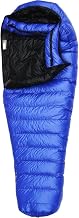
The UltraLite is a premium-tier down bag that has been refined over decades. It weighs around 1.3 pounds and compresses to the size of a small loaf of bread. The down fill is premium-grade and uses offset-box baffles to prevent shifting.
The catch: it’s down, so water is a real risk. Per owner reports, the UltraLite is best paired with a waterproof sleeping bag liner such as the Enlightened Equipment Apex Quilt Liner (4–6 ounces), which provides a safety net if the bag gets damp. The temperature rating is 40°F, suitable for summer, though some owners report needing a base layer on nights below 50°F.
This bag is for experienced ultralight paddlers who understand the water risk and are willing to manage it with extra precautions.
Verdict: Best if you’re already ultralight-obsessed and willing to babysit your gear to keep it dry.
How to Pair Your Bag with a Sleeping Pad
Your sleeping bag is only half the equation. An insulated pad underneath does most of the work of keeping you warm, especially on cool ground or water-soaked sand. A thin foam pad or inflatable pad rated for 3–4 R-value is the standard pairing with a summer ultralight bag.
Best Ultralight Sleeping Pad for Kayak Camping in 2026
Many experienced paddlers sleep on a pad that weighs 8–12 ounces and a bag that weighs 1.5–2 pounds, achieving a combined sleep system weight of 2.5–2.75 pounds. That’s genuinely ultralight and still thermally competent for summer.
Water-Proofing Your Bag: The Dry Bag Strategy
The best insurance for a sleeping bag on the water is a quality dry bag. Store your bag in a waterproof stuff sack or dry bag, and keep it separate from your other gear. Per long-running threads on r/CampingGear, paddlers who use a dedicated dry bag for sleep gear report almost zero moisture problems, even on multi-day trips.
If you’re using a down bag, consider adding a waterproof sleeping bag liner (lightweight versions weigh 3–5 ounces). It’s not foolproof, but it gives you a backup layer of insulation if the bag gets damp.
Seasonal Considerations: Summer vs. Spring/Fall
Summer bags (40–50°F) are lighter and more packable than three-season bags (20–30°F), and that weight savings is real — often 0.5–1 pound per bag. If you’re paddling only in June through August, a summer bag makes sense.
If you’re paddling into early spring or late fall, you might need a three-season bag (20–30°F rating), which will be heavier and bulkier. Best Compact Sleeping Bags for Paddling: Temperature & Weight covers that range in detail.
Common Mistakes to Avoid
Buying a bag that’s too warm. A 20°F bag in summer is overkill — you’re carrying 1–2 extra pounds of insulation you’ll never use, and it takes up valuable hull space. Stick to 40–50°F for warm-season paddling.
Ignoring packed size. A bag that weighs 2 pounds but compresses to a 15-liter volume is less useful than one that weighs 2.2 pounds but compresses to 8 liters. Check the packed dimensions before buying.
Skipping a sleeping pad. A bag without a pad underneath is useless. The ground (or water-soaked sand) will suck heat out of you faster than the bag can replace it. Always pair a bag with an insulated pad.
Storing your bag compressed. Ultralight bags, especially down bags, lose loft if stored compressed for months. Keep your bag in a large, loose stuff sack between trips so the insulation can recover.
FAQ
Can I use a winter backpacking bag for summer kayak camping? Yes, but you’re overpaying in weight and bulk. A 20°F backpacking bag will keep you warm, but you’ll sacrifice 1–2 pounds of hull space and carrying capacity for insulation you won’t need. Stick to a 40–50°F summer bag.
What’s the lightest ultralight sleeping bag I can actually use? Around 1 pound. The 1–1.5 pound range is the sweet spot for durability and weight. Per owner reports on r/Ultralight, bags under 1 pound often have thin fabrics that snag easily and zippers that fail.
Should I buy synthetic or down for kayak camping? Synthetic is safer on the water (it retains warmth when wet), but down is lighter and more packable. If you’re confident you can keep your bag dry, down is worth it. If you’re new to paddling or camping in humid climates, synthetic is the smarter choice.
How do I dry out a wet sleeping bag on a multi-day trip? Spread it out in direct sun and breeze, turning it every few hours. A wet synthetic bag can dry in 6–8 hours of good sun; down takes much longer (often 12+ hours) and may not fully dry on the water. This is why synthetic is safer for paddling.
Can I use a quilt instead of a sleeping bag? Yes. Quilts are lighter, pack flatter, and dry faster than traditional bags. The trade-off is learning curve — quilts require a compatible sleeping pad and a different sleeping position. Per owner reports, most paddlers adapt within one trip.
The Ultralight Sleep System: Putting It Together
A complete ultralight summer sleep system weighs 2–3 pounds and packs into a volume smaller than a loaf of bread. That includes your bag, your pad, and a lightweight pillow (optional but worth it). For comparison, a traditional three-season backpacking system weighs 4–6 pounds and takes up twice the space.
On a kayak where every liter counts, that difference is the margin between comfortable and cramped. A lighter sleep system means more room for food, water, and the other gear that makes a multi-day paddle trip possible.
The bags listed above are all proven on the water. Pick the one that matches your climate, your water risk tolerance, and your hull space. Test it on a one-night trip before committing to a week-long expedition. And remember: the best sleeping bag is the one you actually bring and use.
Paddle light. Sleep well. Wake ready for the next bend.