Best Ultralight Camping Chair for Kayak Trips (2026)

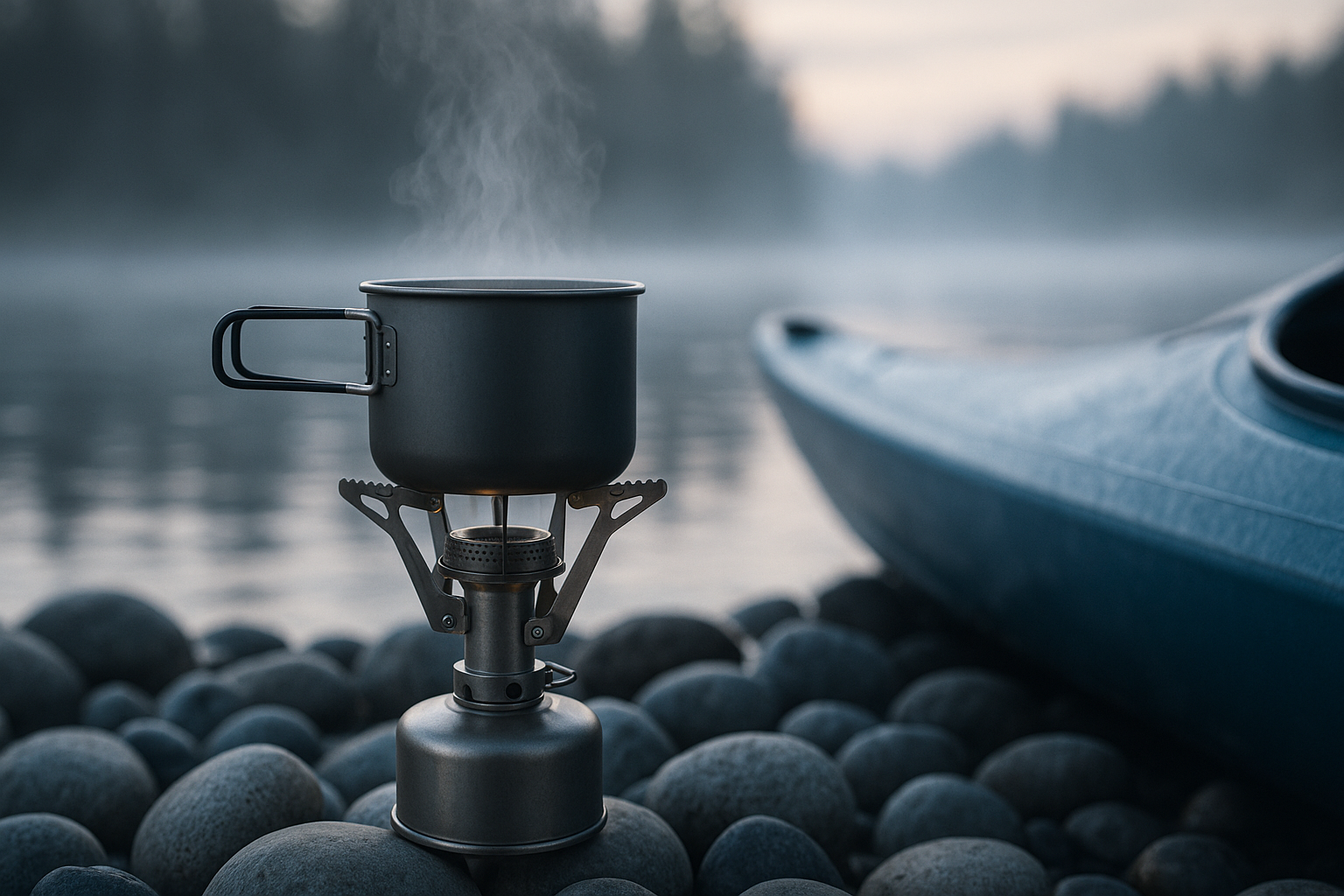
Photo by Jimmy Conover on Unsplash
The Best Ultralight Camping Chair for Kayak Trips
After three days of paddling, the difference between sitting on a dry bag and sitting in a real chair is the difference between a trip you remember and a trip your back remembers. A good ultralight chair weighs less than a full water bottle, packs down to the size of a thermos, and earns its hull space on the first sunset. Below are the chairs we trust on the water in 2026, sorted by the kind of paddler you actually are.
Why a chair earns its place in the hull
Kayak campers tend to underestimate the chair until the first long evening on a sandbank. You’re not hiking — you’re not exhausted from carrying weight on your shoulders all day — but you’ve been seated in a fixed paddling position for six or eight hours. Your hips, your low back, your hamstrings all want a different geometry by the time you make camp.
A foam pad on the ground works for one night. By night three, it doesn’t. And unlike backpackers, paddlers have a real argument for the extra pound: hull space is volumetric, not just weight-limited. A chair that compresses to the size of a Nalgene fits anywhere a dry bag has slack.
The non-negotiables for kayak use, in our testing:
- Under 2 lb packed — anything heavier and you start questioning it on portages.
- Compressed length under 15 inches — has to slide into a deck bag or fit between dry bags in the day hatch.
- Stake-or-spread-friendly feet — narrow chair legs that work fine on packed dirt will sink into wet sand by inches.
- Quick-dry fabric — because everything on a kayak trip gets splashed eventually.
For a broader look at how a chair fits the rest of your kit, see our guide at Ultralight Kayak Camping Checklist: Essential Gear List.
How we tested
We took six chairs through a mix of trips this past spring: two overnighters on a slow Midwestern river with gravel-bar campsites, a four-day coastal trip with soft-sand landings, and a cold shoulder-season weekend where setup happened in fading light with cold fingers. We measured packed weight on a kitchen scale, because manufacturer claims tend to skip the stuff sack — Helinox, for example, lists the Chair Zero at 1 lb 1 oz on its spec sheet, and our packed weight with the included sack came to 1 lb 2.6 oz. We also timed setup and tried to break each chair the dumb way — leaning back hard, rocking on uneven ground, sitting down without aiming.
Spec figures below are per the manufacturer spec sheets unless otherwise noted; comfort and field behavior are our own.
The picks, in detail
Helinox Chair Zero — the gram-counter’s chair
If you’ve ever stood in a paddling shop holding a Chair Zero in one hand and a can of soup in the other, you know the sales pitch. It’s listed at around 1 lb 1 oz per Helinox’s spec sheet, which our scale confirmed within an ounce or two (see above), and it stuffs into a sack roughly the size of a pint glass.
What you trade for that weight: a slightly lower seat height (the ground feels close), and skinny aluminum feet that absolutely will sink into wet sand if you don’t put something under them. We carry four flat creek stones or a couple of foam furniture sliders to cap the feet on soft ground — a trick we picked up from long-running threads on r/kayakcamping where this exact complaint comes up every spring.
Setup is shock-corded poles into a hub, then four corners of the seat snap over the pole tips. Under a minute once you’ve done it twice. The fabric dries fast after a splash, which matters more than people think — a wet chair on a cold morning is a miserable chair.
Who it’s for: distance trippers, gram-counters, anyone whose paddle plan reads “as far as the light holds.”
REI Co-op Flexlite Air Chair — the sandbar specialist
The Flexlite Air sits in roughly the same weight class as the Chair Zero and uses a similar hub-and-pole architecture. What sets it apart for kayak use is the slightly wider stance and — depending on the version year — the optional foot caps REI sells separately that genuinely solve the sand-sink problem.
Based on owner reports we’ve seen, the most common complaint is that the seat fabric stretches with age; most owners report two to four seasons of regular use before the sag gets annoying. That’s normal for any chair in this category, not a Flexlite-specific failure.
We like this one for coastal and lake trips where you’re landing on soft beaches. On gravel bars it’s no better or worse than the Helinox.
Who it’s for: paddlers who camp on sand more than rock.
Helinox Chair One — the chair for tall paddlers
The Chair One is the older, slightly heavier sibling of the Chair Zero — call it about 2 lb on the scale — and it earns its extra weight with a taller seat height and a more generous frame. If you’re over six feet, you’ve probably folded yourself into a Chair Zero and felt your knees come up to your chest. Chair One fixes that.
For multi-day trips where you’ll spend three or four hours a night in the chair — cooking, talking, reading, watching the river go dark — the geometry matters. Per Helinox’s spec sheet, the seat sits a couple of inches higher and the back is taller. Small numbers; real difference.
The trade is hull space. Chair One packs longer than Chair Zero, so plan it into your loading order. Our guide at How to Pack Ultralight for Multi-Day Kayak Trips covers where bulkier items like this belong in the hatches.
Who it’s for: taller paddlers, anyone who values seating geometry over the last few ounces.
TREKOLOGY YIZI GO — the entry chair
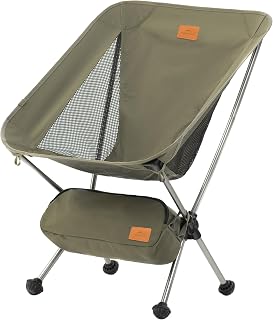
The honest version of this review: the YIZI GO is a Helinox knockoff that gets you 80% of the way there for a fraction of the spend. The pole quality is a step below — some owners report the hub joint failing after a season or two of hard use — but the seat geometry is close, the packed size is competitive, and the weight is in the same ballpark.
For a first-time kayak camper who isn’t sure they’re going to stick with it, this is the rational buy. Upgrade later if the lifestyle takes. We’d rather see a new paddler put their money into a sleeping pad — see Best Ultralight Sleeping Pad for Kayak Camping 2026 — and live with a budget chair than the reverse — a bad night of sleep ruins a trip faster than a so-so chair.
Who it’s for: weekend drifters, first-timers, anyone outfitting their first kit on a budget. Pair it with our roundup at Best Ultralight Kayak Camping Gear Under $500 in 2026 if you’re building the whole system on a budget.
Helinox Chair Zero High-Back — the cold-evening chair
Same featherweight frame as the standard Chair Zero, with a taller back that supports your head and shoulders. The weight penalty is small — a couple of ounces per Helinox’s spec — and the comfort improvement on a long, cold evening is real. When you’re layered up and the wind comes off the water, leaning your head back instead of holding it up matters by hour two.
We carry this one on shoulder-season and cold-weather trips. For warm summer overnighters, the standard Chair Zero is fine.
Who it’s for: cold-weather trippers, anyone who reads or stargazes from camp. See also our guide at Ultralight Kayak Camping in Cold Weather: Gear Guide for how the chair fits a colder kit.
What we’d skip
A few chair styles get recommended for “camping” that we wouldn’t bring on a kayak. For reference, the chairs above run roughly 1–2 lb packed and 11–14 inches long.
- Three-legged stools. Often light (around 2 lb) and packable, but unsupported backs become torture after about twenty minutes. Fine for a fishing break, not for camp.
- Full-frame folding chairs (the kind in tailgate bags). Typically 5–8 lb and 30+ inches long folded — they won’t fit through a standard kayak hatch, let alone leave room for the rest of your kit.
- Inflatable lounge chairs. Light enough on paper (1.5–3 lb), but they pack to 16–20 inches inflated-fabric-stuffed, take several minutes to set up, and the bladder is a puncture risk near the gear you actually need to keep dry.
- Hammock-style chair slings that need a tree. Even the light ones (1–2 lb with straps) are useless on the open sandbars and gravel bars that make up half of kayak campsites.
Sand, gravel, and the foot-sink problem
This is the single most common complaint from new owners of any hub-and-pole chair, and it’s worth addressing directly. The skinny aluminum feet that keep these chairs light will absolutely sink into soft ground under your body weight, especially wet sand after a tide cycle or fresh gravel that hasn’t packed.
Three fixes, in order of how often we use them:
- Manufacturer foot caps. Helinox and REI both sell wide plastic feet that snap onto the pole ends. They add maybe an ounce. Worth it.
- Flat stones from camp. Free. Put one under each foot. Works fine.
- Foam furniture sliders. A four-pack costs almost nothing, weighs almost nothing, and lives permanently in our chair stuff sack as backup.
Per long-running threads on r/kayakcamping, this fix alone resolves most “the chair is unstable” complaints.
How the chair fits the rest of your system
A camp chair isn’t a standalone item — it’s part of the evening kit. Once you’re off the water, you’re in the chair, you’re cooking on the stove, you’re under the headlamp, you’re probably reaching for a sleeping pad to sit on if the chair fails. Plan it as a unit.
Related guides that pair well with this one:
- Best Ultralight Cooking Kit for Kayak Camping — what you’re cooking from the chair.
- Best Ultralight Headlamp for Kayak Camping Trips — what lets you keep using the chair after dark.