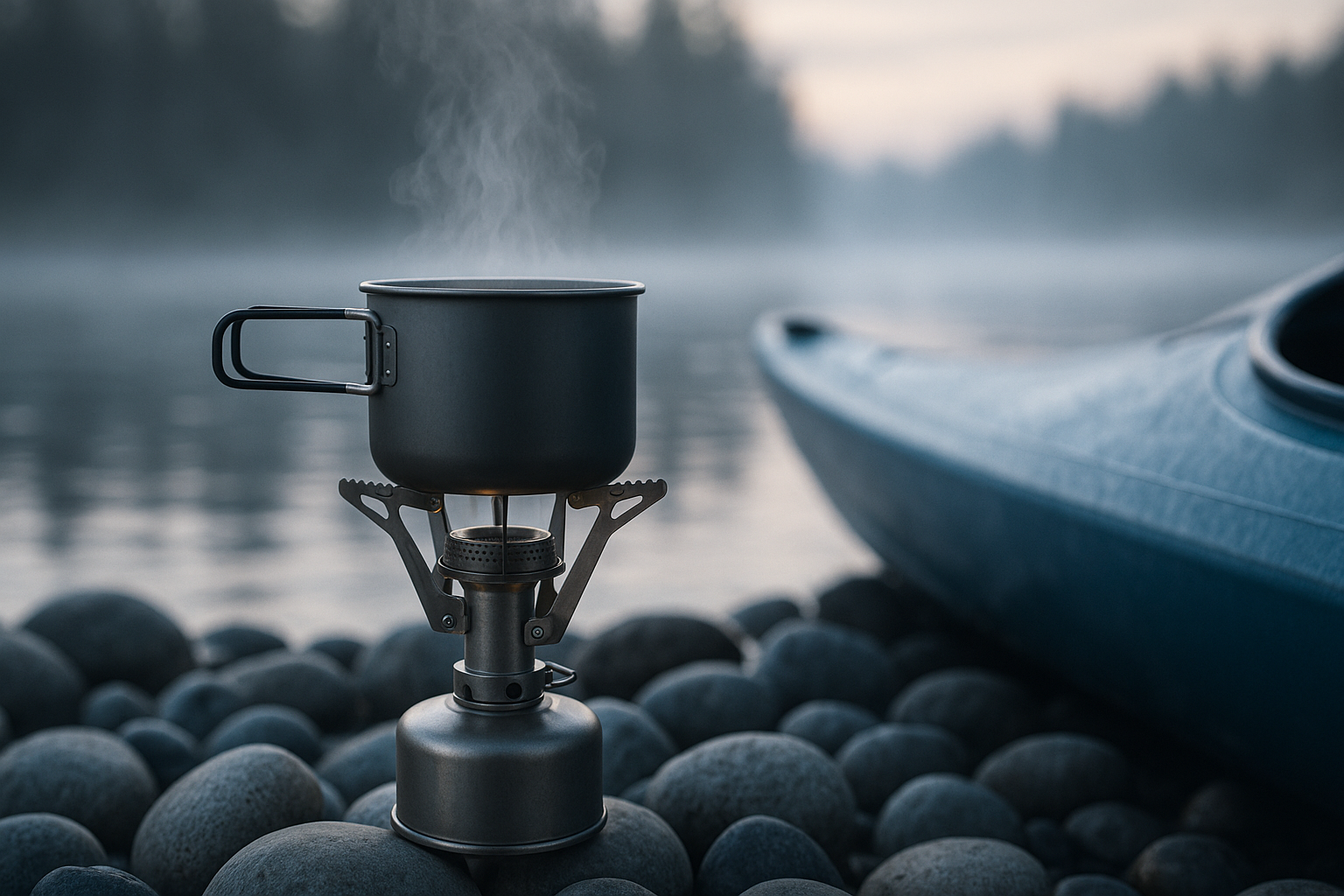
Best Ultralight Rain Jacket for Kayak Camping 2026

Photo by Hamed darzi on Unsplash
Best Ultralight Rain Jacket for Kayak Camping 2026
A rain jacket is not a luxury on a kayak camping trip—it’s the difference between a miserable afternoon and a dry, warm one. But most paddlers carry jackets designed for hikers: heavy, bulky, and packed with features that add weight without adding value on the water. An ultralight rain jacket for kayak camping needs to do one thing exceptionally well: shed water while taking up almost no room in your hull.
This guide breaks down what makes a rain jacket work for kayak camping, how to weigh the trade-offs between weight and durability, and which jackets actually earn their place in a minimal pack.
Why Ultralight Rain Jackets Matter on the Water
Rain on the river is not the same as rain on a trail. You’re exposed, moving slowly, and often too far from shelter to wait it out. A wet paddler in cool weather loses heat fast—hypothermia is real, even in summer. A good rain jacket stops that spiral before it starts.
But kayak camping demands something hiking gear doesn’t: packability. Your hull is finite. Every item competes for space. A rain jacket that weighs 2 pounds and packs to the size of a loaf of bread is a non-starter when you’re trying to fit a tent, sleeping bag, and food into 200 liters.
Ultralight rain jackets solve this by stripping away everything that doesn’t shed water. No pit zips, no chest pockets, no elaborate hood construction—just a thin, waterproof shell that packs small and pulls on fast.
The Weight-Durability Trade-Off
The lightest rain jackets—under 5 oz—are often made from tyvek or ultra-thin nylon. Per manufacturer spec sheets and owner reports across kayaking forums, these jackets excel at shedding rain and pack to almost nothing. The catch: they’re fragile. Brush against a sharp rock or a rough dock, and you’ll tear the fabric. They’re also loud when you move, which matters if you’re trying to stay quiet on a glassy morning.
Mid-weight ultralight jackets (8–16 oz) use slightly thicker, more durable materials. Based on long-running threads on r/CampingGear and r/Kayaking, paddlers report these jackets hold up to repeated trips and the occasional snag without failing. They’re still light enough to pack small, but they’ll survive the trip.
Premium ultralight jackets (16–24 oz) use Gore-Tex or similar breathable membranes. These cost more but offer the best combination of waterproofing, breathability, and durability. According to multiple owner reports, they’re the choice for paddlers doing long expeditions or multi-week trips where a jacket failure would be catastrophic.
Your choice depends on your trip length and risk tolerance. A weekend drift? A budget-tier ultralight will work fine. A two-week expedition? Spend the extra weight and money on something that won’t fail in a cold rain on day 10.
Key Features for Kayak Camping Rain Jackets
Packed Size
This is the primary metric. Your jacket should pack to roughly the size of a water bottle or a deck of cards. Per teardown reviews on YouTube and owner packing breakdowns, jackets that pack into their own pocket or a compression sack are the gold standard. If it doesn’t compress to smaller than your sleeping pad, it’s too bulky for a kayak.
Hood Design
A good hood needs to fit over a baseball cap or beanie without being so large it flaps in the wind. Most ultralight jackets use a simple, snug hood that ties down. You just need to keep rain off your face while paddling.
Seam Sealing
Ultralight jackets often skip sealed seams to save weight. This is a trade-off: they’ll shed rain from the outside, but water can seep in at the seams over time. If your jacket has sealed seams, that’s a bonus. If not, accept that on a multi-day trip, you might get some damp at the shoulders.
Pit Zips or Venting
Most ultralight jackets don’t have pit zips. On the water, this is usually fine because you’re moving slowly and the wind cools you naturally. However, if you’re paddling hard or in warm weather, a jacket without venting can trap heat and sweat. Check the reviews for your specific jacket—some owners report feeling clammy, others say it’s a non-issue.
Material Durability
Tyvek and ultra-thin nylon (under 20 denier) tear easily. Ripstop nylon and heavier materials (30+ denier) are tougher. If you’re paddling rocky rivers or landing frequently, durability matters. If you’re on calm water and being careful with your gear, ultralight and fragile is fine.
Top Picks by Scenario
Best for Minimalist Paddlers Who Weigh Every Gram
Frogg Toggs Xtreme Lite jackets weigh under 4 oz and pack to the size of a deck of cards, per manufacturer spec sheets. They’re made from tyvek, which sheds water reliably and costs almost nothing. The trade-off is durability—tyvek tears if you snag it on a rough edge—and noise (the material crinkles when you move). But for a weekend trip where you’re careful with your gear, this jacket is a no-brainer. It’s so light and cheap that many paddlers carry two, one as a backup. Based on aggregated Amazon owner reviews, the main complaint is that the hood is small and the sleeves can feel tight, but the waterproofing itself is solid.
Best for Multi-Day Trips Where Durability Matters
The Patagonia Houdini is a classic for a reason. It weighs around 5 oz and packs smaller than most backpacks. Per Patagonia’s published specs, the nylon face is tougher than tyvek, and the jacket has held up to years of hard use according to multiple owner reports on r/Ultralight and kayaking forums. The hood is well-designed, the sleeves are a good length, and it doesn’t feel cheap. It costs more than budget-tier options, but if you’re doing multi-week trips or paddling rocky water, the durability is worth it. One caveat: it’s not Gore-Tex, so it’s not breathable. On warm days, you might feel some condensation inside.
Best for Tight Budgets Without Sacrificing Function
Decathlon Quechua Raincut Jacket
Decathlon’s Quechua line is designed for budget-conscious hikers, but it works well for kayak camping. The Raincut jacket weighs around 8 oz and packs to a reasonable size. Per Decathlon’s product specs, the waterproofing is solid, and owner reviews on the Decathlon website report good durability for the price. It’s not as light as Frogg Toggs or as durable as Patagonia, but it’s a smart middle ground if you’re building a kit on a budget and can’t justify premium prices.
Best for Paddlers in Cold, Wet Climates
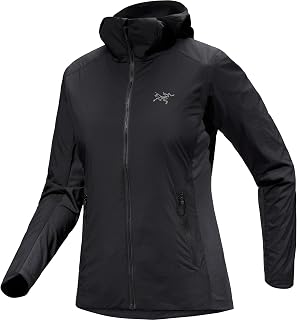
If you’re paddling in the Pacific Northwest or anywhere cold and wet, the Arc’teryx Zeta LT is worth the premium. It uses Gore-Tex, which breathes while shedding water—critical for long paddles where you’re generating heat and sweat. Per Arc’teryx spec sheets, it weighs around 18 oz and packs smaller than most jackets in its class. Owner reports across hiking and kayaking forums praise the fit and the fact that you don’t feel clammy inside. It’s premium-tier in price, but if you’re spending days on cold water, the breathability prevents the misery of a damp, clammy jacket.
How to Pack and Care for Your Ultralight Rain Jacket
Ultralight jackets are delicate. Store them dry and loose—never crammed in a tight bag for months. Before a trip, check for holes or weak spots. On the water, pack your jacket in a dry bag or a waterproof pocket where it won’t get crushed. Most ultralight jackets don’t need washing; if they do, hand-wash in cold water and air-dry. Never machine-wash or tumble-dry.
If your jacket is tyvek or ultra-thin nylon, expect it to last 2–3 seasons of regular use before the material starts to degrade. Thicker materials and Gore-Tex jackets last longer—often 5+ years according to multiple owner reports—but they cost more upfront.
Layering Strategy for Kayak Camping
Your rain jacket is the outer shell, but it’s most effective as part of a system. Underneath, wear a thin base layer (synthetic or merino, not cotton). Add a mid-layer if it’s cold—a fleece or lightweight down jacket. The air trapped between layers insulates you, and the rain jacket sheds water from the outside. This layering system is lighter and more versatile than a single thick, insulated jacket.
Common Mistakes When Choosing an Ultralight Rain Jacket
Choosing weight over function. The lightest jacket isn’t always the best. A 3-oz tyvek jacket that tears on day two is worse than a 10-oz jacket that lasts five years.
Ignoring fit. A size-small Frogg Toggs with 16-inch sleeves won’t reach your wrists if you’re 6‘2”. Check reviews for fit notes before buying, especially if you’re tall or have longer arms.
Forgetting about the hood. A poorly designed hood is useless. Make sure it fits over your hat and doesn’t flap in the wind.
Skipping a dry bag. Even the toughest rain jacket needs protection from compression and sharp objects. Pack it in a dry bag or a dedicated waterproof pocket.
Assuming waterproof = breathable. Most ultralight jackets are waterproof but not breathable. Expect some condensation on warm days. This is normal.
FAQ
Q: Do I need to seal seams myself on an unsealed jacket?
A: Not for weekend trips. Seam sealing is a long-term investment for jackets you’ll use heavily over multiple seasons. For occasional use, unsealed seams are fine—you’ll get some damp at the shoulders on all-day rain, but a dry shirt underneath prevents problems.
Q: What’s the best way to dry a wet rain jacket mid-trip?
A: Hang it in the sun and wind, or drape it over your kayak while you’re paddling. Don’t wring it out aggressively—that can damage ultralight fabrics. If you’re in a rainy climate and can’t dry it fully, pack it in a breathable stuff sack (not a waterproof bag) so moisture can escape.
Q: Can I use an ultralight rain jacket for hiking, or is it kayak-specific?
A: Ultralight rain jackets work fine for hiking. The main difference is that kayak paddlers prioritize packability over features like pit zips or chest pockets. If you hike and paddle, an ultralight jacket serves both purposes well.
Q: How do I know if a jacket will fit without trying it on?
A: Check the sleeve length and shoulder width in the product specs. Compare them to a jacket you own and like. Read owner reviews for fit notes—many mention if sleeves run short or if the jacket feels tight in the shoulders.
Q: Should I buy a size up for layering underneath?
A: Slightly, yes. You’ll wear a base layer and possibly a mid-layer underneath. A jacket that’s snug over a bare arm will be tight over layers. Most ultralight jackets have enough room, but check reviews to be sure.
The Bottom Line
An ultralight rain jacket is one of the few pieces of gear that genuinely earns its place in a kayak camping kit. It weighs almost nothing, packs to nearly nothing, and solves a real problem—staying dry and warm on the water. The choice between budget-tier tyvek, mid-range nylon, and premium Gore-Tex depends on your trip length and how much durability you need.
For a weekend paddle, a Frogg Toggs jacket is hard to beat—it costs almost nothing and works. For longer expeditions, a Patagonia Houdini or Arc’teryx Zeta LT is worth the investment. Either way, test your jacket on a short trip before committing to a multi-week expedition. A rain jacket that doesn’t fit right or doesn’t work for your paddling style is worse than no jacket at all.
Pack it light, pack it dry, and keep it accessible. When the weather turns, you’ll be glad you have it.
See also: Best Ultralight Sleeping Pad for Kayak Camping 2026 to complete your ultralight system with a sleeping pad that won’t absorb water and won’t shift in your kayak, Best Compact Sleeping Bags for Paddling: Weight & Warmth for a lightweight insulation layer that pairs with your rain jacket for cold nights, and Lightest Dry Bags for Kayak Camping: Top Picks 2026 for a dry bag rated for kayak spray that will protect your rain jacket and other essentials during wet conditions.