Best Ultralight Kayak Camping Gear Under $500 in 2026

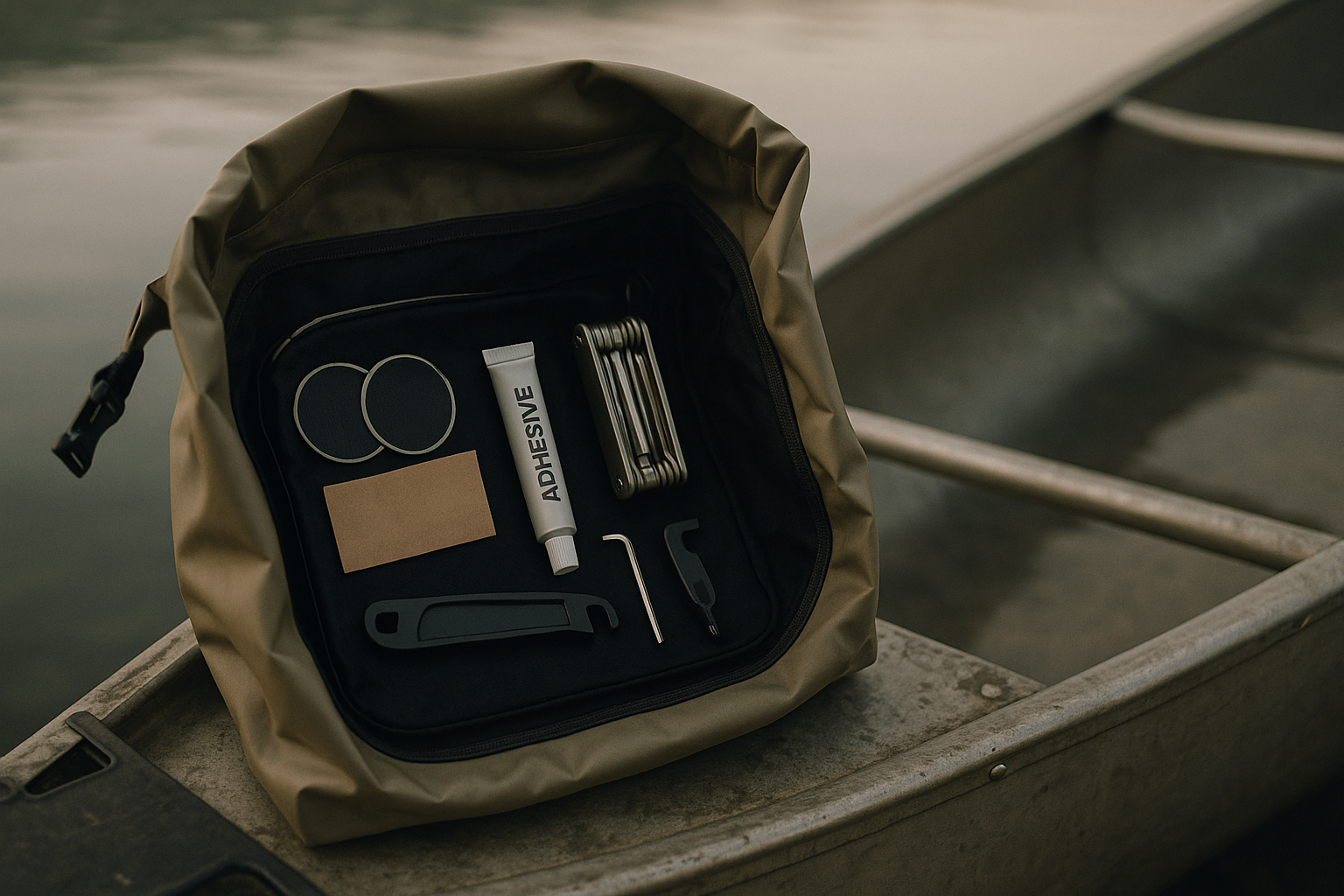
Photo by roya ann miller on Unsplash
Building a Full Ultralight Kayak Camping Kit for Under $500
You can absolutely put together a real, water-worthy ultralight kayak camping setup for under five hundred bucks in 2026 — you just have to spend on the right four or five items and refuse to spend on the rest. This guide walks the whole kit, bow to stern, with the trade-offs we’ve made on actual sandbank nights.
Who this kit is for
This build assumes a recreational or light touring kayak in the 10–14 ft range, sit-on-top or sit-inside, with roughly 75–100 liters of usable hatch or deck-strap storage and a stated weight capacity of 250–350 lbs (paddler + gear). If you’re in a 17-foot sea kayak with three sealed hatches and 400+ lbs of capacity, you have more room to carry slightly heavier, tougher gear; if you’re in a sub-10-foot rec boat with a single small hatch, you’ll need to be stricter on pack volume than this guide assumes and skip the camp chair entirely. The picks below were chosen for the middle case.
The under-$500 math, honestly
The budget works if you accept one rule: you cannot buy the lightest version of every category. Pros and trip reports across r/kayakcamping and r/Ultralight converge on the same advice — pick two or three items to splurge on (almost always the sleep system and the shelter), then go honest-budget on the rest. A premium down quilt and a cheap stove will out-perform a mid-tier quilt and a mid-tier stove every weekend of the year.
Here’s how we slice the budget for a paddler starting close to zero:
- Shelter: ~30% (~ of a budget)
- Sleep system (bag + pad): ~35% (~)
- Dry storage: ~10% (~)
- Kitchen (stove, pot, filter): ~15% (~)
- Light + small stuff: ~10% (~)
Those ratios shift if you already own a tent or a sleeping bag — and most readers do. If you’ve got a decent shelter from car camping, put that 30% somewhere else and you suddenly have a premium-tier kitchen.
Shelter: where the dollars work hardest
A wet sleeper is a miserable paddler, and a heavy tent eats hull space you’d rather give to food and water. Under-budget builds usually land on one of three shelters:
Freestanding budget tents. The Naturehike Cloud Up 2 has been the default beginner pick on r/Ultralight budget threads for years now — sub-four-pound packed weight per the manufacturer spec sheet, double-wall, and forgiving on uneven gravel where stakes don’t bite. It’s not a Hilleberg, but at the time of writing it carries a 4.4-star average across roughly 3,800 Amazon ratings, with three-season durability the most common positive note.
Tarps. If you’ve already pitched a tarp twice and didn’t hate it, you’ll save half a pound and a chunk of money. Once you’ve settled on your shelter style, Cheapest Ultralight Tent for Kayak Trips: Budget Guide covers tarp-specific picks in detail.
Hammocks. Great on forested rivers, useless on a treeless sandbank. Know your water before you commit.
One under-discussed move: a cheap polycro or DCF footprint adds almost no weight, protects the floor from the kind of grit you find on a gravel bar, and extends tent life. See Lightest Ultralight Tent Footprints for Kayak Camping for the gram counts.
Sleep system: spend here, sleep everywhere
This is the single area where going cheap punishes you most. A bad pad on a cold sandbank in October is the kind of mistake you only make once.
Sleeping pad
The Sea to Summit Ultralight Insulated Sleeping Mat is the sweet-spot pick for paddlers — it stuffs to roughly the size of a tall-boy can per the manufacturer spec sheet, and the insulated version’s stated R-value of 3.1 is adequate for shoulder-season trips. If you’re staying strictly to summer, the uninsulated version saves weight and money both.
Sleeping bag or quilt
The Sea to Summit Spark SpII Sleeping Bag is a 28°F-rated down bag (per the manufacturer spec sheet) that packs astonishingly small — premium-tier, but on a kayak where every liter of dry bag matters, the pack-size argument is real. If that’s outside your budget, the Kelty Cosmic Down 20 is the workhorse mid-tier alternative that shows up on every “first down bag” recommendation thread.
Quilt vs. bag is a personal call. Quilts save weight; bags handle cold drafts on exposed shoreline better.
Pillow
Don’t skip this. A real pillow is the single cheapest comfort upgrade in camping.
Dry storage: cheap gets you 90% of the way
You don’t need a Watershed bag at this budget. You need three or four honest roll-tops sized for your hull.
The conventional kayaker setup, per long-running threads on r/kayakcamping:
- One large (35–55L) bag for sleep system and spare clothes
- One medium (20L) for food
- One small (5–10L) for electronics, first aid, headlamp
- One ultralight stuff sack (not waterproof) for in-tent organization
The Sea to Summit Big River Dry Bag line is the standard mid-tier recommendation — heavier than the lightest options but tough enough to drag across rock without panicking.
A note on durability: the trade-off between thin-fabric ultralight bags and burlier mid-weight bags on abrasive surfaces is a recurring topic on r/kayakcamping (see the long-running “dry bag durability” megathread), but we haven’t run a controlled abrasion test ourselves, so we’ll stop short of putting a number on the lifespan difference. On a clean lake, ultralight is fine; on a gravel-bar river, the heavier fabric is a defensible upgrade.
Kitchen: the easiest place to save
A full ultralight kitchen for kayak camping can come in cheap if you’re disciplined.
Stove. The BRS-3000T Ultralight Stove weighs under an ounce per the manufacturer spec sheet and costs less than a single freeze-dried meal. It’s not as wind-resistant as a Soto Windmaster (a frequent comparison on r/Ultralight gear threads), but with a foil windscreen it cooks fine on a sheltered sandbank. For paddlers who cook elaborate meals, step up; for the boil-water-add-noodles crowd, this is all you need.
Pot. The TOAKS Titanium 750ml Pot is the genre standard — boils enough water for one person’s dinner plus coffee, nests around a 110g fuel canister.
Water filter. The 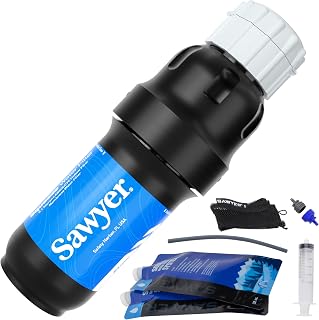
Light: small money, big return
Headlamps are the category where cheap is genuinely fine. The Nitecore NU25 has been the budget-ultralight default for years — sub-ounce, rechargeable, bright enough to find the tent zipper at 3 a.m. without lighting up the whole gravel bar.
Bring a backup. A second tiny light — even a keychain Photon — is the difference between an inconvenience and a crisis when the primary dies or, more likely, swims away.
What we’d cut to hit the budget
If the math is tight, here’s the order we cut:
- Camp chair (saves ~ 16 oz). Sit on your PFD.
- Dedicated camp shoes (saves ~ 12 oz). Wear your paddling shoes.
- Stove upgrades (saves ~ 2 oz). The BRS-3000T is genuinely fine versus a Soto Windmaster.
- Premium dry bags (saves ~ 6 oz across a four-bag set). Mid-tier roll-tops work for years on calm water.
What we don’t cut, ever: the sleeping pad’s R-value, the rain jacket, and the water filter. Failure in those three categories ends trips early.
Once you’ve finalized your kit, How to Pack Ultralight for Multi-Day Kayak Trips covers how to actually distribute it across hatches for trim and balance — worth reading the night before your first trip, not now.
Top picks (the under-$500 build)
- Shelter: Naturehike Cloud Up 2
- Sleeping pad: Sea to Summit Ultralight Insulated Sleeping Mat
- Sleeping bag: Sea to Summit Spark SpII Sleeping Bag (or Kelty Cosmic Down 20 as the budget alternative)
- Stove: BRS-3000T Ultralight Stove
- Cook pot: TOAKS Titanium 750ml Pot
- Water filter:
Sawyer Products SP129 Squeeze Water Filtration System w/Two 32-Oz Squeeze Pouches, Straw, and Hydration Pack Adapter — $45.95Check price on Amazon → - Headlamp: Nitecore NU25
- Dry bags: Sea to Summit Big River Dry Bag
Live prices show in the cards above — they shift constantly, especially on the Naturehike and BRS items, and we’d rather you see the real number than a stale one we typed last fall.
FAQ
Can I really do this if I’m starting from zero? Yes, but barely, and only by going honest-budget on at least four of the categories above. If you can borrow a tent or a sleeping bag for your first season, the budget gets comfortable.
What’s the single most important item to spend up on? The sleeping pad. A cold-bridging pad ruins more trips than any other gear failure per consistent reports across paddling and ultralight forums. R-value matters more than weight.
Is a tarp shelter a realistic option for kayak camping? On forested rivers and sheltered lakes, yes — a flat tarp plus bug bivy saves roughly a pound and versus the Cloud Up 2. On open coastlines, big lakes, or treeless sandbanks where you can’t reliably find anchors and wind is a factor, no. If you’re new to tarp pitching, learn it on a backpacking trip first; a kayak trip is the wrong place to discover your knot game is weak.