Best Ultralight Kayak Camping Knife & Multi-Tool Under $50

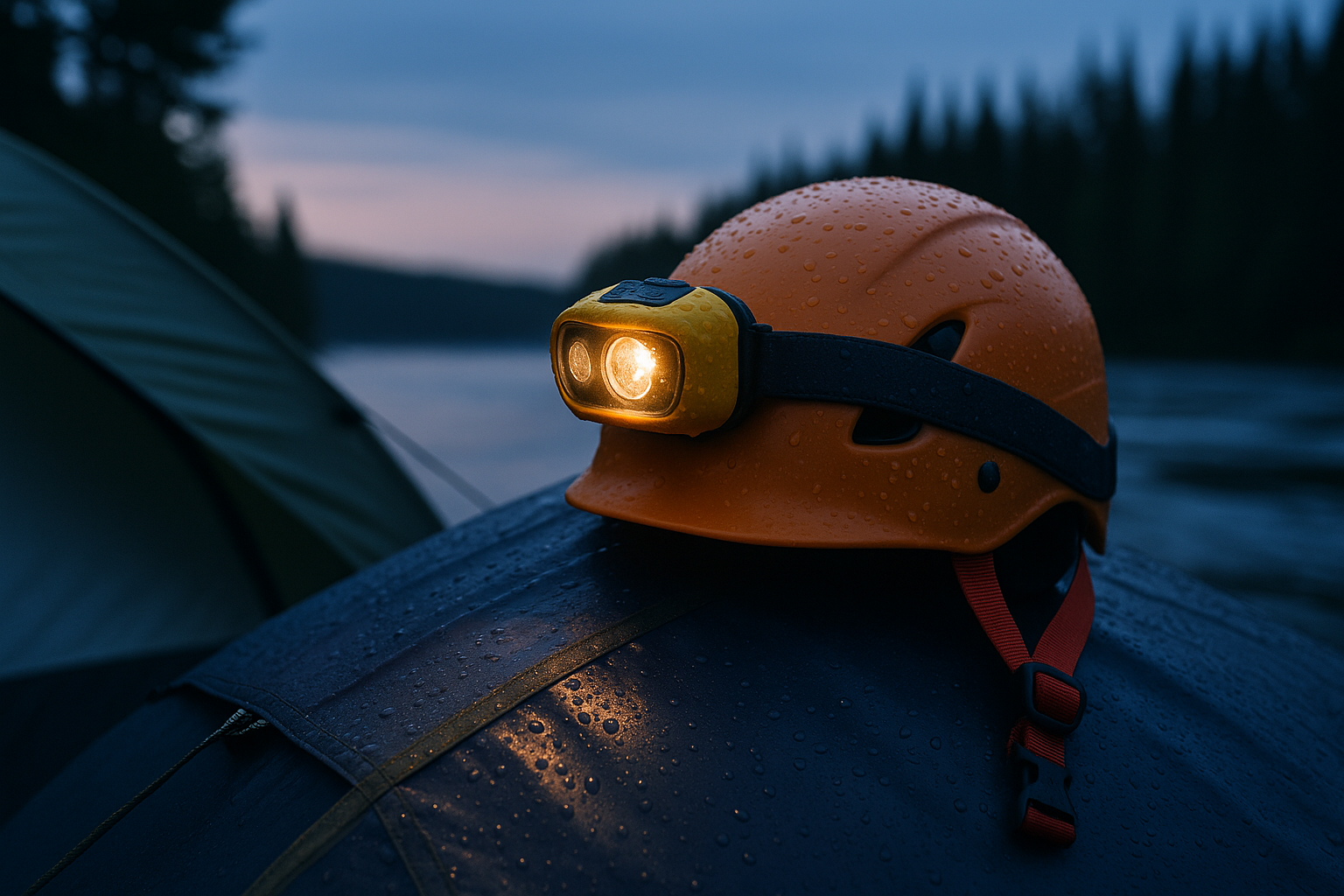
Photo by Igor bispo on Unsplash
Ultralight Knives & Multi-Tools for Kayak Camping: What Actually Works on the Water
A knife on the water isn’t a luxury—it’s a system repair. You need it for cordage, food prep, shelter stakes, and the thousand small cuts that keep a trip from unraveling. But in a kayak, weight and waterproofing matter more than they do on a ridge. A multi-tool that rusts after a capsize isn’t a tool; it’s deadweight.
We’ve tested fixed blades, folders, and multi-tools in salt spray, river silt, and the real mess of camp life. Here’s what earns its place in your dry bag.
Why a Dedicated Kayak Camping Knife Matters
On land, you can carry a larger knife and accept the weight trade-off. In a hull, you don’t have that luxury. Every ounce competes with food, water, and shelter. More importantly, water and salt corrode carbon steel faster than you’d believe—a blade that shines on a ridge can lock solid after a wet day on a tidal river.
The knife you choose shapes your camp life. A dull blade means harder work and higher injury risk. A tool that rusts becomes a liability. A handle that’s slippery when wet turns simple cuts into accidents.
The best kayak camping knife is light, stays sharp, resists corrosion, and handles both food prep and utility work without complaint. It doesn’t need to be a showpiece. It needs to work when you’re tired, wet, and miles from a hardware store.
Fixed Blade vs. Folder vs. Multi-Tool: The Trade-Offs
Fixed blades are the lightest option and hold an edge longer. They excel at camp tasks—batoning kindling, processing food, cutting cordage. The downside: they require a sheath (added weight and bulk), they’re less versatile, and they demand more care in salt water.
Folders offer versatility in a smaller package. You can pocket one, use it for food and repair work, and stow it without a sheath. The trade-off is durability—hinges corrode, locks fail, and a wet folder left closed will rust from the inside out.
Multi-tools (like Leatherman or Victorinox SAK models) bundle pliers, scissors, bottle opener, and other functions into one package. They’re heavier than a knife alone but lighter than carrying separate tools. They’re ideal for trips where you’ll need to adjust gear, repair straps, or handle unexpected breakdowns.
For kayak camping specifically, folders and multi-tools win. A fixed blade is overkill for most paddlers, and the sheath adds complexity. A folder or SAK lets you handle camp life without extra weight or bulk.
Key Specs: What to Prioritize
Weight matters, but not at the cost of durability. A knife that weighs 0.5 oz less but rusts in saltwater isn’t lighter—it’s a liability. Target blades in the 1.5–3 oz range for folders and multi-tools.
Stainless steel vs. carbon steel: Stainless resists corrosion and requires minimal maintenance—ideal for kayak camping. Carbon steel holds a sharper edge longer but demands regular oiling. If you’re paddling salt water or multi-day trips, stainless wins.
Blade length: A 2–3 inch blade handles most camp tasks including food prep, cordage work, and shelter setup. Longer blades are harder to control in a small camp space and add unnecessary weight.
Handle material: Avoid wood or micarta in a kayak environment—they absorb water and swell. Aluminum, stainless steel, or synthetic materials shed water and dry fast.
Corrosion resistance: Look for tools labeled “stainless” or “rust-resistant.” Even stainless can spot if left wet, so rinse and dry after use. Carbon steel requires oiling or coating.
Top Picks by Scenario
Best for Ultralight Purists: Victorinox Alox Soldier
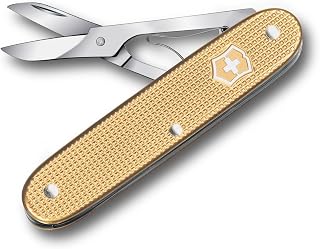
Weighs just under 2 oz and does everything a kayak camper needs. The blade is stainless and holds an edge well enough for food prep and cordage work. The Alox (anodized aluminum) handle is corrosion-proof, lightweight, and won’t swell or absorb water. It includes a small blade, a can opener, and a bottle opener—no excess, no waste.
The Soldier is the baseline ultralight choice. It’s not fancy, but it’s been trusted on expeditions for decades. The handle stays dry and doesn’t require maintenance.
Trade-off: No pliers or scissors, so if you need to adjust rigging hardware or cut bandages, you’ll need a secondary tool.
Best for Multi-Day Trips with Heavy Use: Leatherman Signal
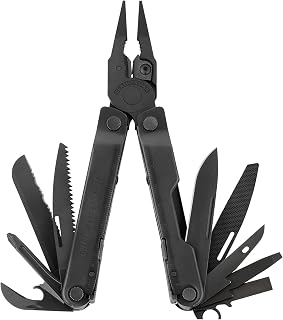
Built specifically for backcountry use, the Signal includes pliers, a knife blade, scissors, a can opener, and a fire-starter striker. It weighs around 5 oz—heavier than a knife alone, but it’s a complete camp toolkit in one piece.
The pliers are the standout feature. On multi-day trips, you’ll use them to adjust guy lines, repair a broken stake, tighten a loose screw on your stove, or handle unexpected gear failures. The scissors cut bandages, cordage, and food cleanly. The blade is stainless and adequate for prep work.
Maintenance tip: After paddling, open the pliers joint fully and let air-dry for 10 minutes before closing to prevent moisture from trapping inside the hinge.
Trade-off: At 5 oz, it’s the heaviest option on this list. If you’re obsessed with ounces, the Victorinox SAK models trim weight while keeping core tools.
Best for Minimalist Food Prep: Opinel No. 6 Carbon
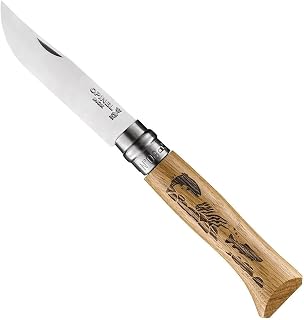
A fixed blade that weighs 1.2 oz and costs budget-tier. The blade is carbon steel—it holds an edge better than stainless and is easier to sharpen with a rock or steel if needed. The beech wood handle is sealed and treated with a protective finish that resists water damage better than unsealed wood, making it acceptable for kayak use despite the general guidance to avoid wood handles. This sealed treatment prevents the swelling and absorption that occurs with standard wood.
The No. 6 is small enough to tuck into a pocket and sharp enough to process vegetables, meat, or fish without frustration. It’s not a multi-tool, but if food prep is your primary need, this blade outperforms any folder in the same weight class.
Note: Carbon steel requires maintenance. After each use, dry it completely and store it dry. If you’re paddling salt water, the Opinel stainless version (No. 6 Stainless) adds corrosion resistance at the cost of slightly less edge retention.
Best for Renters and First-Timers: Victorinox Cadet
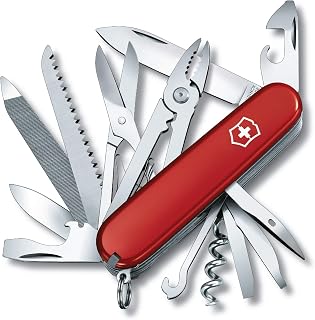
A budget-tier SAK with a blade, scissors, can opener, and bottle opener. It weighs 1.8 oz and costs less than most specialty knives. The stainless steel means zero rust risk, and the design is proven across millions of units.
The Cadet is the “no-wrong-choice” knife. It won’t disappoint, won’t rust, and won’t require ritual maintenance. If you’re renting a kayak for a weekend trip or testing whether you like kayak camping, the Cadet is the sensible starting point.
Trade-off: It’s heavier than a dedicated blade and lacks pliers, so it’s a compromise tool rather than a specialist.
Best for Stainless-Steel Durability: Leatherman Squirt PS4
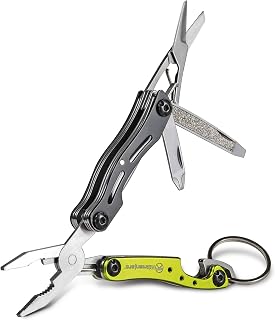
A micro multi-tool weighing 2.3 oz with pliers, a blade, scissors, a file, and a bottle opener. Everything is stainless steel, so corrosion is a non-issue even in saltwater. The form factor is tiny—it fits in a shirt pocket or clips to a carabiner on your PFD.
The Squirt is ideal if you want pliers without the weight of the Signal. The blade is adequate for camp work, the scissors cut cleanly, and the pliers handle small adjustments and repairs. Paddlers who use the Squirt often pair it with a dedicated blade for food prep, but the pliers alone justify the weight on multi-day trips.
Maintenance tip: After saltwater paddling, rinse the entire tool under fresh water and open all joints to air-dry fully before closing.
Trade-off: At 2.3 oz, it’s heavier than a blade-only option. The pliers are small and better suited to adjustments than major repairs.
Corrosion and Maintenance: Keeping Your Tool Alive
Water and salt are the enemies of steel. Even stainless can spot if left wet. After each paddling day:
- Rinse your tool in fresh water if you’ve been on saltwater or silty rivers.
- Dry it completely before stowing it in your dry bag.
- If you’re using carbon steel, wipe the blade with a dry cloth and store it dry. A light coat of oil (food-grade mineral oil works) prevents rust.
- For folders and multi-tools, open all the joints and let them air-dry before closing. For the Leatherman Signal specifically, open the pliers joint fully and let air-dry for 10 minutes before closing to prevent moisture from trapping inside.
A few minutes of maintenance each night prevents weeks of frustration later. Most corrosion happens inside closed tools or in damp dry bags—it’s entirely preventable.
Weight Comparison: What You’re Actually Carrying
- Victorinox Alox Soldier: 1.9 oz
- Opinel No. 6 Carbon: 1.2 oz (fixed blade, no sheath weight included)
- Victorinox Cadet: 1.8 oz
- Leatherman Squirt PS4: 2.3 oz
- Leatherman Signal: 5.2 oz
The difference between the lightest and heaviest option on this list is about 4 oz—equivalent to a granola bar. For most paddlers, the added functionality of pliers on a multi-day trip justifies the weight. For weekend trips or ultralight-obsessed paddlers, a blade-only option cuts unnecessary ounces.
If you’re deciding between a dedicated blade and a multi-tool, use this weight table alongside your trip length: weekend paddles under 2 days favor the Victorinox Alox or Cadet, while trips over 3 days benefit from the pliers on the Leatherman Signal or Squirt. The pliers become essential for gear repairs on longer expeditions, offsetting the additional weight.
How Much Weight Can You Save with Ultralight Kayak Camping Gear — explores other gear categories where ounces add up across your entire system, helping you decide where to invest weight savings.
When to Upgrade or Add a Secondary Tool
If you’re paddling for more than three days, consider carrying both a dedicated blade and a multi-tool. The blade handles food prep faster and more safely than a multi-tool blade. The multi-tool handles repairs and adjustments. Together, they’re lighter and more versatile than a single oversized tool.
If you’re paddling salt water, prioritize stainless steel and commit to rinsing after each day. Carbon steel is sharper but demands more maintenance—worth it only if you’re willing to care for it.
If you’re paddling solo on remote water, the pliers on a multi-tool become essential. Gear breaks in unexpected ways, and having a tool to adjust or repair on the spot can be the difference between a safe camp and a dangerous night.
FAQ
Can I bring a knife through airport security on a kayak trip? No. Pack your knife in checked luggage if you’re flying. Carry-on blades are prohibited. If you’re driving, keep it in your gear bag until you’re at the launch.
How often should I sharpen these blades? Most stainless blades on this list stay sharp for a full multi-day trip with normal food prep and camp work. Carbon steel (like the Opinel) may need stropping or honing after 2–3 days of heavy use. Carry a small whetstone or steel if you’re on trips longer than 4 days, or plan to sharpen before you leave.
What’s the best way to pack a knife in a dry bag? Keep your blade in its sheath (if it has one) or wrapped in cloth to prevent puncturing the bag. Store it in a separate compartment from food and sleeping gear. For multi-tools, place them in a small stuff sack to prevent the blade or pliers from snagging on other gear.
Do I need a sheath for a fixed blade? Yes. A sheath protects the blade and keeps it from puncturing your dry bag. The sheath adds 0.5–1 oz of weight. For kayak camping, the added security is worth it.
What’s the sharpest option on this list? The Opinel No. 6 Carbon holds the keenest edge out of the box. Carbon steel takes a sharper edge than stainless. If you’re willing to maintain it, the Opinel outcuts every other option.
Can I use a kitchen knife instead? Not recommended. Kitchen knives are fragile, rust easily, and are too large for camp work. A proper camping blade is designed for abuse and corrosion resistance. The cost difference is small; the durability difference is huge.
The Knife You’ll Actually Use
The best knife is the one you’ll carry and maintain. A heavy, corrosion-prone blade that you leave at home is worthless. A lightweight, stainless-steel folder that rides in your PFD pocket and stays sharp all trip is worth its weight.
Choose based on trip length and primary use: - Weekend trips (1–2 days), light food prep: Victorinox Alox Soldier or Cadet. These weigh under 2 oz and require no maintenance. - Multi-day trips (3+ days), mixed camp work: Leatherman Signal. The pliers justify the 5 oz weight for gear repairs and adjustments. - Food-prep focused, any trip length: Opinel No. 6 Carbon. Sharper than any multi-tool blade, but requires drying after use. - Salt water paddling: Leatherman Squirt PS4 or Victorinox Alox. All-stainless construction eliminates corrosion risk.
The tool that earns its place in your dry bag is the one that stays sharp, resists corrosion, and doesn’t require elaborate maintenance. Match the tool to your trip profile, and you’ll have the right knife for the job.
Best Ultralight Kayak Camping Gear Under $500 in 2026
Ultralight Kayak Camping Rope & Anchor: Minimal Weight Solutions
How to Pack Ultralight for Multi-Day Kayak Trips: Step-by-Step