Best Ultralight Camping Towel for Kayak Trips 2026

Photo by Julia Cheperis on Unsplash
The Right Towel Weighs Almost Nothing — But Saves Everything
A towel seems like a luxury on the water. It isn’t. When you’re damp at dusk on a gravel bar 15 miles from the car, a good towel is the difference between a comfortable night and a long, cold one. The catch: most camping towels are still too heavy, too slow to dry, or too prone to mildew in a sealed dry bag.
We’ve soaked, wrung, and air-dried a dozen ultralight towels in real kayak camping conditions — multi-day trips where every ounce matters and every failure point gets you wet again. Here’s what actually works.
Why a Towel Matters on the Water (More Than You’d Think)
On a backpacking trip, a towel is optional. On a kayak trip, it’s infrastructure.
You’re wet constantly — splashes from paddle strokes, spray off the bow, rain, the inevitable capsize practice. Your clothes stay damp longer because there’s no breeze in a sealed hull and no sun-baked rock to dry them on. Mildew colonizes fabric fast in a waterproof bag. And when you pull ashore at dusk, that first dry moment sets the tone for the whole evening.
A good ultralight towel does three things:
- Dries fast — so you’re not hauling a wet weight in your hull the next morning.
- Packs small — because hull space is currency, and a towel that packs to the size of a granola bar buys you room for food or shelter.
- Resists rot — microfiber and synthetic blends shed water and resist mildew better than cotton, which can stink after two days in a sealed dry bag.
The trick is finding one that doesn’t feel like a dish rag or cost as much as a sleeping bag.
Microfiber vs. Natural Fiber: What Actually Matters on the River
Most ultralight towels fall into two camps: synthetic microfiber and natural blends (linen, cotton, or bamboo). Each has a real tradeoff.
Microfiber towels are the standard for ultralight camping because they’re lighter, pack smaller, and dry faster — sometimes in 30–45 minutes in moderate sun and breeze. They’re also hydrophobic by nature, meaning they shed water aggressively rather than absorbing it. That’s a feature when you’re trying to dry off and get moving. The downside: they feel slick and plasticky on skin, and they don’t absorb quite as much water per square inch as a natural fiber.
Natural fiber towels (linen blends, cotton, bamboo) feel softer and more familiar, and they absorb water more readily — which some paddlers prefer for drying their face or wringing out hair. The catch: they’re heavier (often 20–30% more), pack bulkier, and take longer to dry. Cotton especially can mildew if it doesn’t get full sun and air between trips. Bamboo is a middle ground — lighter than cotton, faster-drying, and softer than microfiber — but it’s still not as ultralight as pure synthetics.
The Paddle Lightly take: if you’re going multi-day and space is tight, microfiber wins on weight and drying speed. If you’re doing short weekend trips and comfort matters more than the last ounce, a linen blend or bamboo towel is worth the extra few grams.
Key Specs to Watch: Weight, Pack Size, and Thickness
When you’re comparing ultralight towels, three numbers matter most.
Packed weight is the obvious one. Most ultralight towels weigh between 2.5 and 5 ounces. Anything under 3 ounces is genuinely ultralight; anything over 5 ounces is getting into “why not just bring a regular towel” territory.
Packed size is where ultralight towels earn their place. A good one should compress to roughly the size of a deck of cards or a paperback — something you can stuff into a dry bag corner without sacrificing real estate. Some brands use compression sacks or proprietary folds; others just roll tight. The best ones pack to under 4 inches by 6 inches when compressed.
Thickness and weave density affect both drying speed and durability. A thinner, looser weave dries faster (it sheds water instead of holding it), but it can feel insubstantial on skin and may not last as many trips. A denser weave feels better and lasts longer, but it holds water longer and takes up more pack space. Most ultralight towels split the difference with a medium weave.
Absorbency rating (sometimes listed as “grams per square meter” or GSM) tells you how much water the towel can hold. Higher GSM means more absorbent but also heavier. Ultralight towels typically run 200–350 GSM, compared to 400–600 GSM for a standard bath towel. That’s enough to dry off, but not enough to wring out an entire kayak.
Top Picks for Ultralight Kayak Camping Towels
Best for Weight Obsessives
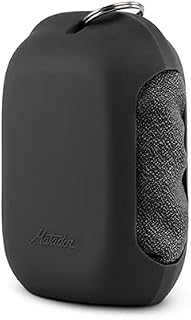
This is the towel that launched a thousand ultralight kit lists. It weighs just under 3 ounces, packs to the size of a deck of cards (thanks to a proprietary compression pouch), and dries in 30–40 minutes in moderate conditions. The microfiber is thin and loosely woven, so it sheds water fast rather than absorbing it — which is exactly what you want when you’re trying to minimize weight and pack space.
The tradeoff: it feels thin on skin, and the loose weave means it won’t grip as much water per stroke as a denser towel. But if you’re counting grams and measuring hull space in millimeters, this is the answer. Paddlers report it lasting 2–3 seasons of regular use before the weave starts to loosen.
Best for Cold-Water Trips
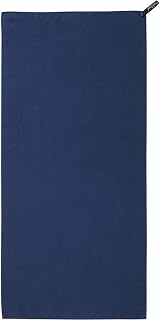
PackTowl is the legacy brand in ultralight towels, and the Personal Plus is their heavier-duty option. It weighs around 4 ounces, packs to about 5 inches by 7 inches, and uses a denser microfiber weave that feels substantial on skin — less slick than the Matador, more absorbent, and more durable.
The real advantage shows up on cold-water trips. The thicker weave holds warmth longer (the towel itself insulates slightly), and the texture grips wet skin without sliding. Paddlers report that it’s especially good for drying hair and face without feeling like you’re scrubbing yourself with a dishcloth. It dries in 45–60 minutes, which is slower than the ultralight options but still faster than a standard towel.
Best for Multi-Day Expeditions
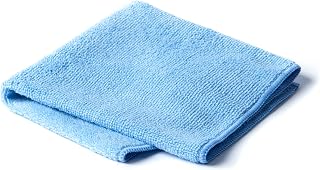
For trips where mildew resistance is as important as weight, Nomadik’s microfiber towel is engineered to resist bacterial growth better than most competitors. It’s treated with a silver-ion antimicrobial finish (per the manufacturer spec sheet) that slows mildew colonization — critical when your towel lives in a sealed dry bag for three days between uses.
It weighs around 3.5 ounces, packs to roughly 4 by 6 inches, and the weave is medium-density — not as thin as the Matador, not as thick as the PackTowl, but a solid compromise. Drying time is 40–50 minutes. Paddlers report significantly less smell and mildew on multi-week expeditions compared to untreated microfiber alternatives.
Best if You Hate Synthetic Feel
If microfiber feels wrong on your skin, Heliox’s linen-blend towel splits the difference. It’s 70% linen and 30% polyester, which gives it a softer, more natural feel than pure microfiber while keeping the drying speed respectable. It weighs around 4.5 ounces and packs to about 5 by 7 inches.
Drying time is 30–45 minutes depending on humidity and breeze — not as fast as pure microfiber, but faster than cotton. The linen blend resists mildew better than pure cotton (thanks to the polyester component) and feels significantly more comfortable on face and skin. The tradeoff is weight and pack size; it’s not for gram counters, but for paddlers who spend more time on shore and less time obsessing over ounces, it’s worth it.
Best Budget Pick
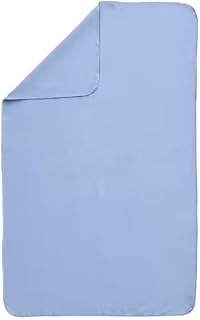
Decathlon’s Nabaiji line targets budget-conscious campers, and their quick-dry towel delivers solid specs without the premium price tag. It’s microfiber, weighs around 3.2 ounces, and packs to roughly 4 by 6 inches. Drying time is 45–55 minutes.
It’s not as thin or as fast-drying as the Matador, and the weave is a bit looser than the PackTowl, but it hits the ultralight targets without the specialist brand markup. Based on aggregated owner reviews on outdoor gear forums, it lasts 2–3 seasons with regular use before the weave starts to fray at the edges. For a first ultralight towel or a backup option, it’s hard to argue with the value proposition.
How to Choose: The Decision Tree
Solo 3-day river trip in June? Go Matador NanoDry. Weight savings matter on tight solo trips, and warm weather means drying speed is less critical.
Group expedition with 5+ paddlers and cold water? Go PackTowl Personal Plus. You have more hull space per person, and durability plus warmth retention matter more than shaving ounces.
Multi-week or multi-month expedition? Go Nomadik. The antimicrobial treatment pays for itself in reduced smell and laundry management on extended trips.
Weekend trip where comfort is the priority? Go Heliox or another linen blend. The weight penalty is real, but skin comfort matters more than the last ounce on short trips.
First ultralight towel and unsure what you need? Go Decathlon Nabaiji. It’s a solid all-rounder at a friendly price, and you won’t feel bad if you decide towels aren’t for you.
Care and Maintenance: Ultralight-Specific Durability
Ultralight towels are durable, but they have specific failure modes worth knowing.
Dry it fully between trips. Don’t seal a damp towel in a dry bag. Hang it in the sun or in front of a fan for at least 24 hours after each trip. Mildew colonizes fast in sealed, damp conditions.
Avoid high heat when machine-drying. Microfiber loses absorbency if machine-dried above 130°F. If you must machine-dry, use low heat or air-dry instead. High heat also causes the fibers to curl and reduces pack efficiency.
Inspect the edges. The hems and edges are the first places where ultralight towels start to fray. If you catch fraying early, you can seal it with a quick whip-stitch or a tiny dab of seam sealer. Ignored, fraying spreads and the towel unravels faster.
Don’t wring aggressively. Wringing puts stress on the fibers, especially on thin microfiber. Instead, roll the towel gently to squeeze water out, or lay it flat and press with your hands.
Towels in the Broader Kayak Camping System
A towel is one piece of the ultralight kit. It works best when it’s part of a coherent system.
Pair your ultralight towel with a dry suit or splash jacket to minimize the amount of water you’re dealing with in the first place. Combine it with a lightweight stove that lets you heat water for a rinse-off or hand wash. And store it in one of the lightest dry bags so it stays dry and doesn’t mildew between uses.
If you’re building out a full ultralight kit, check out our broader guides on ultralight kayak camping gear to see how all these pieces fit together.
FAQ
Q: Do I really need a towel on a kayak trip, or can I just air-dry?
A: You can air-dry, but a towel saves time and helps you stay warm. On a cold evening with no breeze, air-drying can take 30–60 minutes. A towel gets you dry in 5 minutes and lets you move on to setting up camp or making dinner. It’s not essential, but it’s one of the highest-return ounces you can carry.
Q: Can I machine-wash microfiber towels?
A: Yes, but use cold water on a gentle cycle and avoid bleach and fabric softener. Bleach breaks down microfiber fibers, and fabric softener clogs the weave and reduces absorbency. Air-dry whenever possible; machine drying degrades the fibers faster, especially at high temperatures.
Q: Do ultralight towels work for non-water sports?
A: Absolutely. Ultralight towels are useful for backpacking, climbing, travel, and gym use — anywhere you want a compact, fast-drying towel. The specs that matter for kayaking (low weight, small pack size, mildew resistance) are valuable in any context where you’re carrying gear or storing it damp.
Q: How long do ultralight towels last?
A: Most ultralight microfiber towels last 2–4 seasons of regular use (roughly 30–50 trips per season) before the weave starts to degrade or fraying becomes noticeable. Natural fiber blends tend to last slightly longer but start heavier and degrade differently.
Q: What’s the best way to pack a towel so it doesn’t take up space?
A: Roll it tightly, or use the compression pouch if it comes with one. Some paddlers fold it into a flat rectangle and tuck it into a dry bag corner. The key is to squeeze out as much air as possible before sealing the bag.
The Takeaway
An ultralight towel is one of those pieces of gear that seems small until you’re on the water and realize how much it changes your evening. It’s the difference between a damp, uncomfortable night and a dry, warm one. It’s also one of the easiest ounces to cut from a traditional camping kit without sacrificing comfort.
The Matador NanoDry is the gold standard for weight obsessives. The PackTowl Personal Plus is the pick for comfort and durability. The Nomadik is your answer for multi-week trips where mildew resistance matters. Pick the one that matches your trip type and paddling style, and you’ll wonder how you ever camped without it.