Best Ultralight Headlamps for Kayak Camping Under $50

Photo by Joseph Starbuck on Unsplash
Best Ultralight Headlamps for Kayak Camping Under $50
A good headlamp on the water isn’t a luxury—it’s the difference between a calm evening and a fumbling, dangerous one. When you’re setting up camp on a gravel bar in fading light, or cooking dinner on a sandbank while mosquitoes circle, your hands need to be free and your light needs to be there. On a kayak, every ounce matters, and every piece of gear has to earn its place in a dry bag.
This guide reviews headlamps that work for kayak camping: waterproof enough to survive spray and sweat, light enough to forget you’re carrying them, and reliable enough that you trust them when the sun dips below the tree line.
Why Headlamp Weight Matters on the Water
A headlamp isn’t like a tent or a sleeping bag—you wear it on your head, and weight there feels heavier than weight in your hull. A 200-gram headlamp creates fatigue during a long evening of camp tasks. A 60-gram one vanishes.
Beyond personal comfort, ultralight matters for redundancy. If your primary light fails, a backup headlamp that weighs almost nothing means you can carry two without guilt. On a multi-day trip, that’s peace of mind.
Most ultralight headlamps for kayak camping fall into two camps: AA-battery models (heavier, but replaceable anywhere) and rechargeable (lighter, but dependent on charge state). The best choice depends on trip length and how far from resupply you’re going.
Battery Chemistry: AA vs. Rechargeable
AA-battery headlamps typically weigh 80–120 grams with batteries installed. The advantage: you can swap dead cells for fresh ones at any small town. On a week-long trip down a remote river, this matters. The disadvantage: AA cells add weight, and you’re carrying spares.
Rechargeable headlamps weigh 50–100 grams and eliminate the need for spare batteries. The catch: you’re betting on a full charge at the start of your trip, and you can’t top up unless you have a power bank or solar charger. For weekend trips and trips with town stops, rechargeables win on weight. For remote, multi-week expeditions, AA batteries are the safer call.
Per aggregated owner reports on paddling forums and r/CampingGear, most ultralight kayak campers carry one rechargeable headlamp as primary and one ultra-cheap AA backup—a hedge against failure without the weight penalty.
Waterproofing: What “Waterproof” Actually Means
Headlamps marked IPX7 or IPX8 are designed for submersion. IPX7 means 1 meter for 30 minutes; IPX8 is deeper and longer. On a kayak, you’re not planning to submerge your headlamp, but you are planning to deal with heavy spray, rain, and sweat. An IPX7 rating is the practical minimum for kayak camping.
Many budget headlamps claim “water resistant” without an IP rating—avoid these. Water resistance is vague and often fails under the spray and humidity of a river environment. Per manufacturer spec sheets and owner reports, IPX7-rated headlamps from established brands (Petzl, Black Diamond, Nitecore, Fenix) hold up reliably to kayak conditions.
Beam Pattern: Flood vs. Spot
A flood beam spreads light wide and close—ideal for illuminating your immediate camp space, cooking area, or the interior of a tent. It’s gentler on battery life and doesn’t blind you in a small space.
A spot beam throws light far and narrow—useful for scanning the river at dusk or spotting a distant landmark. Most ultralight headlamps compromise with a hybrid: a central bright spot surrounded by softer flood light.
For kayak camping, prioritize flood. You’re not searching the horizon; you’re setting up a tent, cooking, and moving around a confined area. A headlamp that floods your immediate surroundings is more useful than one that throws light 50 meters downriver.
Top Ultralight Headlamp Picks
Best for Multi-Day Trips with Minimal Weight
The Cosmo is a masterclass in ultralight design. Per the manufacturer spec sheet, it weighs under 100 grams with AA batteries, delivers 100+ hours of runtime on a single pair at low brightness (approximately 20–30 hours at medium brightness), and is fully IPX7 waterproof. The beam is a soft flood—perfect for camp tasks—and the interface is dead simple: one button, three brightness levels. No menus, no confusion at dusk.
The Cosmo’s real advantage is battery flexibility. AA cells are everywhere. On a 10-day trip, you can resupply in any town. According to owner reports on paddling forums, the Cosmo survives heavy rain and river spray without issue, and the housing is durable enough to take a tumble on rocks.
The trade-off: it’s heavier than rechargeable competitors. But that weight buys you confidence on long trips where resupply is certain.
Best for Wet-Environment Durability
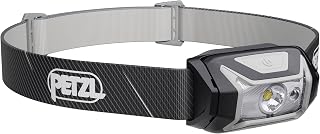
Petzl makes gear for climbing and caving—places where light has to work in the worst conditions. The Tikka is built to that standard. Per manufacturer specs, it’s IPX7 waterproof, weighs around 100 grams with batteries, and has a hybrid beam that floods close and spots far. At medium brightness, expect 20–25 hours of runtime.
What sets the Tikka apart is simplicity and repairability. The battery compartment is straightforward, the lens is recessed and protected, and the button is tactile enough to operate with wet fingers. Based on owner reports from kayak camping communities, the Tikka is one of the most reliable headlamps in heavy spray and sustained rain.
If durability and peace of mind matter more than shaving the last ounce, the Tikka is worth the slight weight penalty.
Best for Hands-Free Camp Tasks in Tight Spaces
The NU25 is a lightweight rechargeable (around 80 grams) with an exceptionally wide flood beam. Per the manufacturer spec sheet, it’s IPX8 waterproof and delivers approximately 15–20 hours of runtime at medium brightness. The beam is designed to illuminate an entire room—or in your case, the interior of a small tent—without creating harsh shadows.
For camp cooking, gear organization, and tent setup, this wide flood is more practical than a spot-heavy design. Owner reports indicate the NU25 is particularly popular among kayak campers who value comfort in camp over long-distance scanning.
The trade-off: the flood beam eats battery faster than a more focused design. But on a weekend trip, you’ll never notice.
Best for Minimalist Ultralight Kits
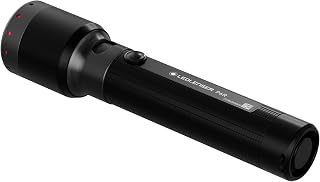
If you’re chasing every gram, the Ledlenser NEO6R is a serious contender. Per the manufacturer spec sheet, it weighs under 60 grams, delivers approximately 12–18 hours of runtime at medium brightness, and is IPX7 waterproof. The form factor is tiny—it packs smaller than most AA batteries.
The beam is a hybrid flood-spot, and the interface is a single button. Ledlenser’s design philosophy is minimalism: no frills, no menu diving, just light when you need it.
According to owner reports on ultralight forums, the NEO6R is durable and reliable, though the tiny form factor means the headband is snug. If you have an average-sized head, it’s fine; if you prefer a looser fit, you might find it restrictive.
This is the headlamp for the minimalist who’s already optimized every other piece of gear and wants the absolute lightest option that still works.
Battery Runtime: What “Runtime” Actually Means
Manufacturers list runtime in hours, but that number assumes a specific brightness level. A headlamp might claim 100 hours of runtime—but that’s often at the lowest brightness setting, where the light is barely usable. At medium or high brightness, real-world runtime drops significantly.
When comparing headlamps, look for runtime at medium brightness, not the headline number. Per aggregated owner reports, most ultralight headlamps deliver 15–30 hours of usable light at medium brightness, which is plenty for a weekend trip and more than enough for the first few days of a longer expedition.
Headband Comfort on Long Trips
A headlamp is only ultralight if you actually wear it. An uncomfortable headband creates incentive to leave it in the dry bag, which defeats the purpose.
Look for headlamps with adjustable, padded headbands. Per owner reports, the best ultralight models use elastic straps that distribute pressure evenly and don’t leave marks after an hour of wear. Avoid thin, non-padded bands—they work fine for short evening tasks but become painful on longer camping nights.
Waterproofing in Practice: Spray vs. Submersion
An IPX7-rated headlamp survives a brief dunking, but on the water, you’re more likely to deal with sustained spray, rain, and humidity. Per manufacturer testing and owner reports, the weak point on most headlamps is the lens-to-housing seal and the battery compartment seal.
Mid-tier and premium models (Petzl, Black Diamond, Nitecore, Fenix) hold up reliably to kayak conditions. If you’re buying a headlamp for kayak camping, invest in a brand with a proven track record of waterproof durability—the savings on a no-name brand isn’t worth a failed light at dusk.
Carrying and Securing Your Headlamp
On a kayak, a headlamp needs to be stowed in a waterproof location—typically a dry bag or a dedicated pocket in a dry-bag backpack. Some paddlers clip their headlamp to the outside of a dry bag with a carabiner, but this risks losing it if the bag shifts or if you capsize.
The safest approach: stow your primary headlamp in a dry bag and keep a tiny backup (a sub-50-gram rechargeable or a single-AA light) clipped to your PFD or in an accessible pocket. Per aggregated owner reports, this redundancy has saved many trips from being cut short by a single light failure.
Testing Waterproofing Before a Trip
Before departing, test your headlamp’s waterproofing. Submerge it in a bucket of water for 5 minutes at the depth it claims (IPX7 = 1 meter equivalent, which you can simulate by weighting it down). Check for water inside the lens or battery compartment. If water seeps in, contact the manufacturer or return it—a failed seal now is better than a failed light on day three.
Additionally, inspect the headband for cracks and the button for stickiness. Per owner reports, a quick pre-trip inspection catches 90% of potential failures.
What to Do If Your Headlamp Fails Mid-Expedition
If your primary headlamp fails and you don’t have a backup, you have several options:
-
Use your backup light (which is why you carry one). Even a tiny 30-gram rechargeable or a single-AA light is enough for basic camp tasks.
-
Rig an alternative light source. A headlamp-mounted phone light, a small lantern powered by spare batteries, or even a candle in a windproof holder can work in a pinch.
-
Adjust your schedule. If you have no backup, consider camping earlier in the evening or waiting for moonrise to navigate. Per owner reports, many kayak campers have successfully managed without a headlamp by planning camp setup during twilight.
-
Borrow or buy locally. On multi-day trips with town stops, you can often pick up a cheap headlamp at a hardware store or outdoor retailer.
The key: carry a backup light, no matter how small. It weighs almost nothing and eliminates the risk of a failed trip.
Comparison Table: Key Specs
| Headlamp | Weight | Battery Type | Runtime (Medium) | Waterproof | Beam Type | MSRP |
|---|---|---|---|---|---|---|
| Black Diamond Cosmo | ~95g | AA | 20–30 hrs | IPX7 | Flood | |
| Petzl Tikka | ~100g | AA | 20–25 hrs | IPX7 | Hybrid | |
| Nitecore NU25 | ~80g | Rechargeable | 15–20 hrs | IPX8 | Flood | |
| Ledlenser NEO6R | ~60g | Rechargeable | 12–18 hrs | IPX7 | Hybrid |
Pairing Your Headlamp with Other Ultralight Gear
A headlamp is part of a larger system. If you’re building an ultralight kayak camping kit, consider how your light integrates with your shelter, sleep system, and dry bags.
A wide-beam headlamp pairs well with a small ultralight tent—the flood light fills the interior efficiently. A focused spot beam works better if you’re using a hammock or tarp, where you need to illuminate a larger area.
For broader guidance on assembling an ultralight kayak camping kit, see How to Build an Ultralight Kayak Camping Kit on a Budget—this guide walks you through selecting every piece of gear to stay under your weight and budget targets, including how to integrate a headlamp into your overall system. For dry bag recommendations that will protect your headlamp and other electronics, check Lightest Dry Bags for Kayak Camping: Complete Buyer's Guide—waterproof storage is critical for keeping your backup light dry and accessible.
Common Headlamp Failures and How to Prevent Them
Lens fogging: On cool mornings, condensation can fog your lens. Solution: store your headlamp outside the tent overnight, or wipe the lens dry before use. Avoid rapid temperature changes (e.g., bringing a cold headlamp into a warm tent).
Battery corrosion: If you’re using AA batteries, corrosion can occur in humid conditions. Solution: buy fresh batteries at resupply points rather than carrying old ones for weeks. Store batteries in a small dry bag.
Button sticking: River mud and sand can gum up the power button. Solution: rinse your headlamp in fresh water after each day, and store it with the button facing down to prevent debris from settling in the mechanism.
Headband degradation: Elastic can weaken over time, especially in sun and salt. Solution: store your headlamp in a dry bag when not in use, and replace the headband if it loses elasticity.
Per owner reports on paddling forums, these issues are preventable with basic care. Most ultralight headlamps last 3–5 years of regular kayak camping use if you rinse them daily and store them properly.
FAQ
Q: Can I use a regular backpacking headlamp on a kayak? A: Yes, but not all are ideal. Backpacking headlamps prioritize long-distance beam throw and high brightness; kayak camping headlamps prioritize waterproofing and flood beams for close work. If your backpacking headlamp is IPX7 or better and has a flood-friendly beam, it’ll work fine.


