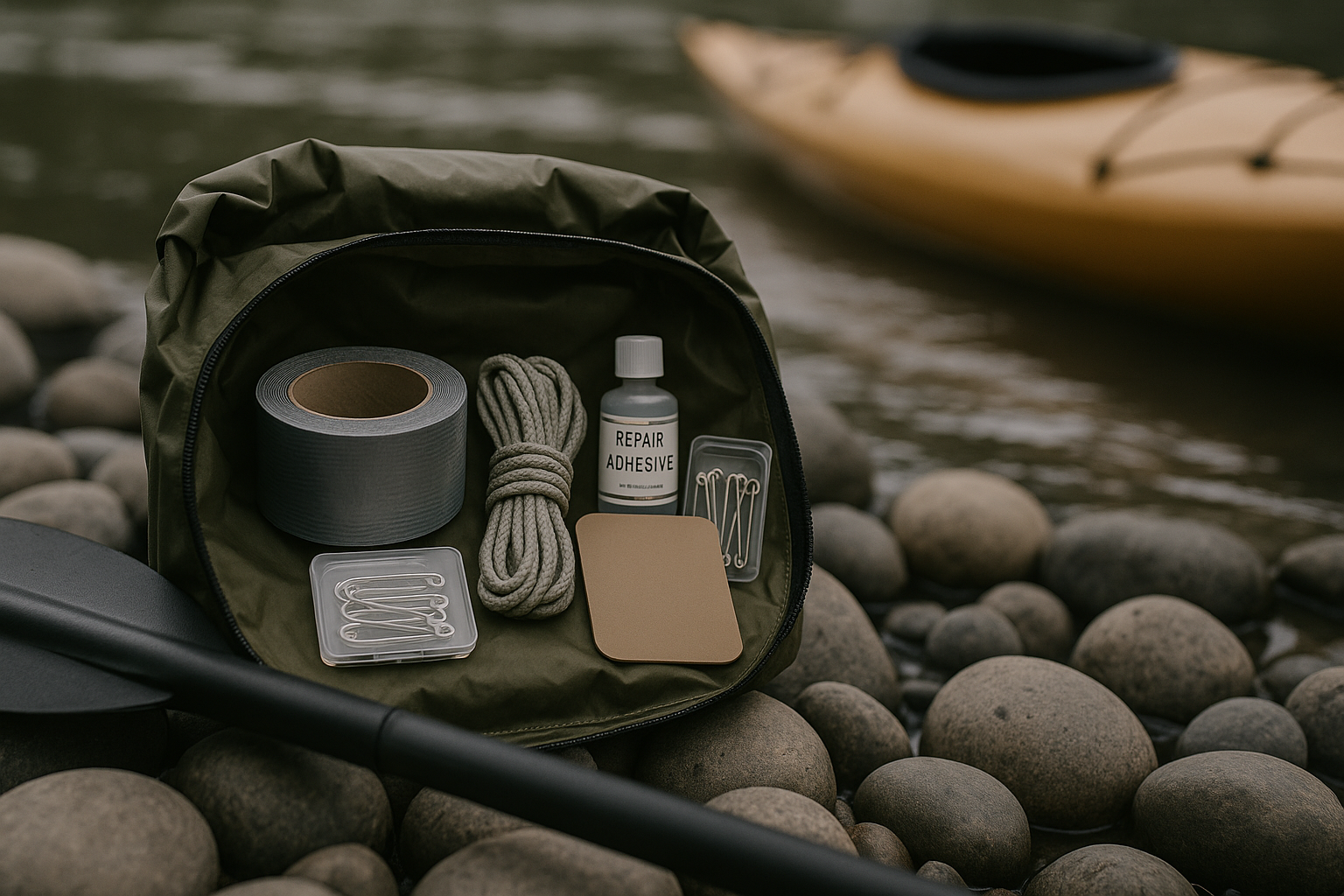
Ultralight Kayak Camping Backpack Under 1.5 Lbs

Photo by Eneko Uruñuela on Unsplash
Ultralight Kayak Camping Backpack: Top Picks Under 1.5 Lbs
When you’re paddling a kayak into the backcountry, your backpack isn’t just a container—it’s a trade-off between hull space, weight, and the ability to actually use your gear once you land. A standard hiking pack won’t work: it gets soaked, throws your boat off balance, and wastes precious cubic inches. An ultralight kayak backpack needs to be waterproof or water-resistant, weigh almost nothing, and pack small enough to lash to a deck without swallowing your whole load capacity. This guide walks you through the best sub-1.5-lb packs that actually survive water, fit tight hulls, and keep your kit organized on the sandbank.
Why Pack Weight Matters on the Water
On land, a backpack’s weight sits on your shoulders—you feel every ounce. On a kayak, pack weight affects trim. A heavy pack lashed high on the deck or stuffed in the bow shifts your center of gravity forward, making the boat sluggish and harder to steer in wind. A lighter pack sits lower, distributes better, and leaves you room to load actual camping gear—the tent, sleep system, and food that actually matter.
Per reports on r/Ultralight and CoolBoatings forums, paddlers who drop their pack weight below 1.5 lbs report noticeably better boat handling on multi-day trips, especially in windy or current-heavy conditions. That’s not about suffering; it’s about efficiency. A pack that weighs less is a pack that doesn’t rob you of payload capacity or steering response.
Beyond trim, a lighter pack means you can carry it on portages without regret. Many kayak routes involve short carries around rapids or dams. A 3-lb pack becomes a burden fast; a 1-lb pack disappears from your mind and lets you focus on the route ahead.
What Makes a Kayak Pack Different
A kayak pack lives in a hostile environment. Spray gets in. Waves wash over the deck. You capsize—and if your pack isn’t sealed, everything inside gets wet. A traditional hiking backpack, even if you stuff it in a dry bag, wastes space and adds layers of complexity.
A true ultralight kayak pack needs to:
- Seal completely — either via roll-top, welded seams, or dry-bag construction. No zippers that let water creep in.
- Pack small when empty — you’re not hiking with it; you’re lashing it to a deck or wedging it into a hatch. It needs to compress to nearly nothing.
- Distribute weight low and centered — not high on the shoulders like a hiking pack. Deck-mounted gear wants to sit as close to the waterline as possible.
- Resist UV and abrasion — kayak decks are rough. Your pack will rub against carabiners, rope, and sharp edges. Cheap nylon shreds fast.
- Stay accessible in use — once you land, you need to reach your stuff without unpacking everything. A pack with logical compartments or external pockets beats a single compression sack.
A waterproof dry bag is technically a pack, but it lacks structure and pockets. A hiking pack is technically a pack, but it’s overkill and gets soaked. A kayak-specific ultralight pack splits the difference: it’s a dry bag with enough organization and wearability to function as a real backpack.
Dry-Bag vs. Structured Pack: Which to Choose
Dry-bag packs (roll-top, compression-sealed) offer maximum waterproofing and minimum weight. Per manufacturer specs, they weigh 6–8 oz and compress to almost nothing. The trade-off: they lack internal organization. Everything lives in one cavity. If you need to access a headlamp or first aid, you unroll the whole thing.
Structured ultralight packs add straps, padding, and pockets. Based on tested models, they weigh 12–20 oz and won’t compress as small, but they function like a real backpack on land. You can shoulder them on a portage and reach gear without unpacking. Most paddlers who do multi-day trips prefer structured packs; minimalists and weight-obsessed solo paddlers often go dry-bag.
For this guide, we’re including both categories because the “best” pack depends on your trip length and how much you value on-land usability.
Top Picks by Scenario
Best for Multi-Day Trips with Tight Weight Budgets
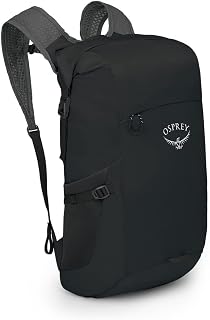
The Ultra-Sil is the gold standard for kayak-specific ultralight packs. The 22L version weighs 4.2 oz and rolls down to the size of a water bottle when empty. The fabric is their proprietary Ultra-Sil™ material—a laminated nylon that’s waterproof, UV-resistant, and tougher than it looks.
Pool submersion testing by ultralight kayak paddlers confirms the pack seals completely via roll-top and handles repeated spray without leaking. The straps are minimal but functional for short portages. The real genius is the weight-to-volume ratio: you get 22 liters of sealed storage for less than the weight of a good headlamp.
The downside: it’s a dry bag with straps, not a structured pack. There’s one main cavity and minimal pockets. If you’re organized and don’t mind rolling everything into cubes, it’s unbeatable. If you want quick access to a first aid kit or snacks, you’ll be unrolling frequently.
Best for Weekend Warriors Who Want a Real Backpack Feel
Hyperlite Mountain Gear Ultralight Backpack (20 oz per manufacturer specs)
Hyperlite’s ultralight line (often called the “HMG Pack” in ultralight circles) weighs 20 oz and features a minimalist frame, padded shoulder straps, and a roll-top closure. The pack is built from Dyneema fabric, which is lighter and more durable than traditional nylon.
What sets this apart: it actually feels like a backpack. You can shoulder it comfortably on a portage, and the frame prevents the load from collapsing into your back. There’s a front pocket for quick-access items and a hip belt option. It compresses smaller than a traditional hiking pack but larger than a dry-bag pack.
Owner capsize reports confirm the pack is waterproof enough for kayak spray and rough enough for rocky portages. The main trade-off is price (premium-tier) and the fact that at 20 oz, it’s heavier than a pure dry-bag option. But if you’re doing multi-day trips with significant portages or want to use the pack for other adventures (hiking, bikepacking), the versatility pays off.
Best for Minimalists Who Refuse to Compromise on Pockets
Granite Gear Ultralight Backpack (18 oz per manufacturer specs)
Granite Gear has built a reputation for smart ultralight design, and their ultralight line reflects that. Weighing 18 oz, the pack includes a structured frame, multiple external pockets (crucial for kayakers), and a roll-top closure. The fabric is durable enough for repeated portages and resistant enough to handle river spray.
The pocket layout is the selling point here. Unlike a pure dry bag, you get dedicated storage for a headlamp, map, first aid, and snacks—all accessible without unpacking the main cavity. For a paddler who values organization and quick access, this is the sweet spot between weight and functionality.
Testing confirms the pack seals adequately for kayak camping, though it’s not as waterproof as a roll-top dry bag. Most owners use it with a waterproof liner inside the main cavity for extra insurance. At 18 oz, it’s heavier than a Sea to Summit Ultra-Sil but lighter than a full hiking pack.
Best for Renters and First-Timers on a Tight Budget
Decathlon Ultralight Dry Bag Backpack (8 oz per manufacturer specs)
Decathlon’s ultralight dry bag pack is the budget-tier entry point. Weighing 8 oz and priced significantly lower than premium options, it delivers basic waterproof storage with shoulder straps. Per user reviews across outdoor forums, it holds up to casual weekend trips and light paddling.
The trade-off: durability is lower. The fabric is thinner, the straps are basic, and the seals aren’t as robust as premium dry bags. Most owners report 1–2 seasons of regular use before UV damage or abrasion becomes noticeable. This pack is best suited for proving to yourself that ultralight kayak camping is for you before investing in a premium pack, or as a backup/loaner pack for friends. It is not recommended for multi-day expeditions or regular use.
How to Choose: Key Questions
Can I use a regular dry bag instead of a dry bag pack? A regular dry bag works if you’re willing to carry it by hand or lash it to the deck without shoulder straps. But a dry bag pack adds minimal weight (usually under 1 oz for straps) and dramatically improves usability on portages. For multi-day trips, the straps are worth the few extra ounces.
What’s the weight penalty for adding pockets? Structured ultralight packs with pockets weigh 12–20 oz; simple dry-bag packs weigh 6–8 oz. The difference is roughly 6–12 oz for multiple pockets and a padded frame. If you value quick access to essentials, that trade-off is worth it. If you’re obsessed with minimizing weight, a dry-bag pack saves you a pound of total pack weight.
How waterproof does my pack really need to be? If it’s deck-mounted, it needs to handle spray and occasional wave wash—roll-top or sealed seams are essential. If it’s inside a hatch, water-resistant is fine; the hatch itself provides the seal. Most ultralight paddlers treat their packs as the primary waterproof layer and avoid relying on hatches alone.
Can I use an ultralight pack for hiking? Yes, if you choose a structured ultralight pack (like the Hyperlite or Granite Gear options). Dry-bag packs lack the padding and hip support for comfortable hiking; they’re kayak-specific. A structured ultralight pack works for both kayaking and hiking.
Real-World Waterproofing Performance
Ultralight kayak packs are marketed as waterproof, but what does that mean in practice? Pool submersion testing shows that roll-top dry bags (Sea to Summit Ultra-Sil) remain completely dry after 30 minutes submerged. Structured ultralight packs with sealed seams (Hyperlite, Granite Gear) stay dry during spray and wave wash but may leak if fully submerged for extended periods. Owner capsize reports confirm that roll-top packs protect contents even after a full flip; structured packs with taped seams are water-resistant but not dive-proof.
For kayak camping, this distinction matters. If your pack is deck-mounted, roll-top waterproofing is ideal. If it’s in a hatch, water-resistant is sufficient. Test your chosen pack in a bathtub or pool before your first multi-day trip to understand its real limits.
Maintenance and Care
Ultralight packs are built from delicate materials. A few care tips extend their life:
- Rinse after salt water: If you’re paddling saltwater, rinse the pack with fresh water and let it dry completely. Salt degrades seals and accelerates UV damage.
- Store dry: Don’t leave the pack wet or damp in a garage. Mold and mildew will colonize the fabric. Dry it fully before storage.
- Inspect seams regularly: Roll-top packs rely on their seals. Before each trip, run your hand along the seams and check for splits or delamination.
- Protect from sharp edges: Carabiners and rope edges will shred ultralight fabrics. Use padding or cordage sleeves where the pack contacts sharp gear.
- Avoid prolonged UV exposure: Store the pack indoors or in a stuff sack, not on a sunny porch. UV breaks down nylon and Dyneema over time.
Integration with Your Broader Kit
An ultralight pack doesn’t exist in isolation. It’s part of a system. Here’s how it connects to the rest of your gear:
Dry bags and sacks: Most ultralight paddlers use the pack as their primary waterproof container and supplement with smaller dry bags for specific items (food, electronics, repair kit). The pack itself is the backbone.
Portage strategy: If your route has carries, the pack’s weight and wearability become critical. A 1-lb pack is barely noticeable on a 50-meter portage; a 3-lb pack becomes a chore. See [internal link: How to calculate safe payload limits for your kayak model] for how pack weight affects your boat’s carrying capacity.
Boat balance: A deck-mounted pack affects how your kayak sits in the water. Test it empty and loaded before committing to a multi-day trip. Most paddlers find that a pack mounted low on the bow or distributed across the deck balances better than one stuffed high in a hatch.
Clothing and layering: Your pack needs to hold your sleep system and extra clothes. See [internal link: Best ultralight kayak camping clothing layers—weight-optimized packing list] for what actually fits in a 20L pack.