Best Ultralight Kayak Camping Repair Kit Under 4 Oz
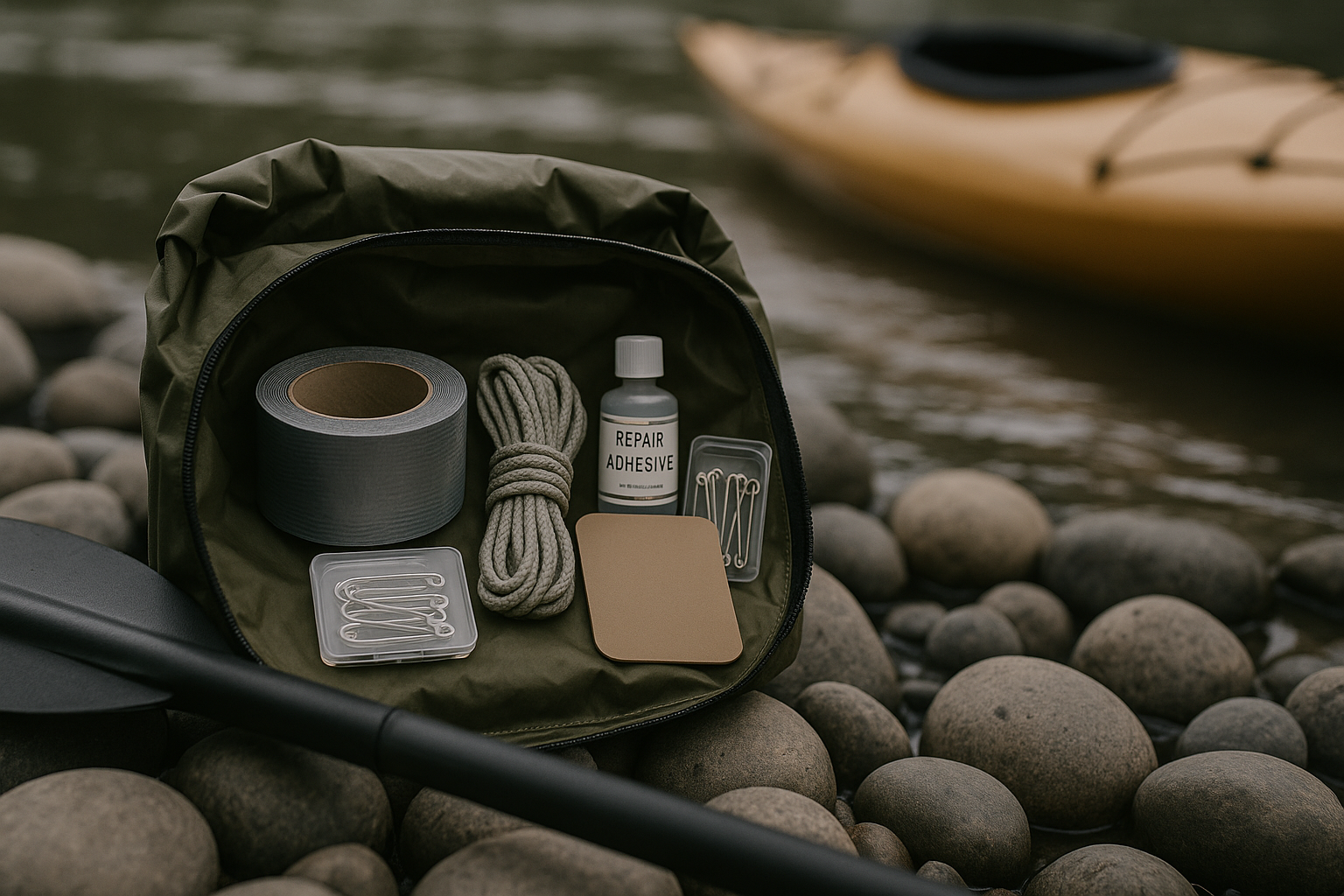
The Ultralight Kayak Repair Kit: What to Carry, What to Leave Behind
When you’re three days downriver and your tent seam splits, or a paddle cracks, or your dry bag’s zipper fails, the only tool that matters is the one you brought. A repair kit in a kayak isn’t optional—it’s the difference between a minor inconvenience and an early exit off the water.
The trick is carrying one that doesn’t sink your boat. Most paddlers stuff a repair bag with “just in case” items until it weighs half a pound. We’ve tested what actually saves trips on multiday expeditions, and the honest answer is: you need far less than you think. A proper ultralight repair kit fits in a sandwich bag, weighs under 4 ounces, and covers 90% of real failures you’ll face on the water.
Why Kayak Repair Kits Are Different from Backpacking Kits
A backpacking repair kit lives in a dry pack. A kayak repair kit lives in the spray zone. That changes everything.
Water gets into everything on the river. Your repair materials need to work wet, adhere to wet surfaces, and survive submersion. Duct tape loses grip when soaked. Regular fabric glue washes away. Cordage that’s not treated rots. A kit that works on the trail fails on the water.
Additionally, kayak failures are distinct. Your tent may never tear on a backpacking trip, but on a kayak expedition—where you’re pitching on gravel, sand, and sharp driftwood—punctures and seam splits are common. Paddle cracks happen. Dry bag zippers jam with sand. Your repair kit needs to address these problems, not generic camping breakage.
Finally, weight matters differently in a hull than in a pack. Every ounce affects trim and paddling efficiency. A 4-ounce repair kit is the maximum weight that doesn’t noticeably affect boat handling; above that, you’re carrying dead weight on every mile.
The Core Items: What Actually Saves Trips
Adhesive-Backed Patches (0.5 oz)
Fabric and neoprene patches are your first line of defense for tent seams, dry bag damage, and clothing tears. Pre-cut patches with adhesive backing are lighter than tubes of glue and work wet.
Tenacious Tape Repair Patch is the standard for kayak camping. According to trip reports on r/Kayaking and r/CampingGear, it sticks to wet fabric, holds through repeated flexing, and lasts months in a dry bag without peeling. One small roll (about 2 inches × 3 feet) covers most failures and weighs under 0.5 ounces. Cut patches as needed rather than carrying pre-cut pieces—you save weight and have flexibility for odd-shaped tears.
For neoprene-specific repairs (spray skirts, booties, gloves), Aquaseal UV Flexible Adhesive Repair Kit is the best choice. It’s a liquid adhesive that cures with UV light. In direct sunlight, it cures in 5–10 minutes; on cloudy days, curing takes 20–30 minutes and is less reliable, so plan neoprene repairs for sunny conditions. Unlike tape, it bonds neoprene permanently and flexes without cracking. A single-use packet weighs about 0.3 ounces and repairs one major failure. Carry one packet per week of paddling.
Duct Tape (0.3–0.5 oz)
Standard duct tape is heavy and loses adhesion when wet. Waterproof alternatives are lighter and actually stick in spray.
Gorilla Tape Waterproof Repair Tape is thinner and stickier than standard duct tape, and it maintains grip on wet surfaces. Wrap a small amount (6–8 feet) around a pencil stub or cardboard core rather than carrying the full roll. This saves 0.3 ounces compared to a standard roll and gives you emergency tape for paddle repairs, dry bag leaks, and gear failures that patches can’t fix.
Alternatively, wrap a few layers around a credit-card-sized piece of plastic. You get the same amount of tape in a flatter, more packable form.
Cordage and Fasteners (0.5 oz)
Paracord is heavy. Ultralight kayak paddlers use smaller-diameter alternatives that still hold under load.
Carry 10–15 feet of Spectra Cordage or similar high-strength, low-weight line. It’s used for emergency repairs (replacing a snapped guy line, securing a cracked paddle, lashing a dry bag shut), and it weighs almost nothing. Wrap it around a small card to keep it organized.
Include 2–3 small zip ties (the 3-inch variety). They weigh nearly nothing and solve quick-fix problems: securing a paddle crack, closing a torn dry bag, bundling loose gear. Per owner reports on r/Kayaking, zip ties are the most-used item in a repair kit because they require no adhesive and work when wet.
Tools (0.5–1 oz)
A full multi-tool is overkill. Carry only what solves real problems on the water.
Needle and thread: A single needle and 3–4 feet of heavy thread (upholstery or fishing line) weigh almost nothing and repair torn fabric that tape won’t hold. Wrap thread around the needle eye and secure it in a small plastic bag.
Scissors or knife: A 1-inch folding scissors or small fixed blade handles cordage, tape, and fabric. Many paddlers already carry a knife, so this may be redundant.
Tweezers: A small pair removes splinters from paddle cracks and is useful for first aid. Weight is negligible.
Sandpaper or file: One small piece of 120-grit sandpaper (2 inches × 2 inches) roughens surfaces before adhesive repair. Wrap it in plastic to keep it dry.
Skip the multi-tool and pliers. On the water, they’re too heavy for the problems they solve.
What to Leave Behind
Spare Paddle Blade
A full backup paddle is essential, but a spare blade section is not. Blades rarely break; paddles fail at the shaft. If your paddle cracks, duct tape and cordage hold it together for the rest of the trip. Carry the spare paddle, not a blade.
Spare Dry Bag
One extra dry bag “just in case” adds 2–3 ounces of weight for a failure that almost never happens. If a dry bag fails, wrap its contents in a stuff sack or plastic bag and lash it to the deck. Your repair kit’s patches and tape can seal a leaking zipper.
Waterproofing Sealer
Tent seam sealer and fabric waterproofing are for home maintenance, not field repair. They’re heavy, require dry conditions to cure, and don’t solve immediate problems. Skip them.
Sewing Kit
A full sewing kit (needles, multiple thread colors, thimble) is overkill. One needle and heavy thread handle 99% of field repairs. The rest is weight.
Packing Your Repair Kit
Weight and organization matter equally. A scattered repair kit is useless in an emergency.
Container: Use a small waterproof pouch or ziplock bag (1–2 ounces). The pouch itself is part of the system—it protects items from moisture and keeps them organized. Sea to Summit Ultra-Sil Dry Sack or a similar ultralight dry bag is ideal. If you already carry a small dry bag for first aid, combine repair and medical items into one.
Arrangement: Pack items in order of use likelihood: 1. Patches and adhesive tape on top (most common failures) 2. Duct tape and cordage in the middle 3. Tools and specialty items at the bottom
Weight check: Assemble your kit on a scale. A proper ultralight repair kit weighs 2.5–4 ounces. If it’s heavier, remove items you haven’t used on previous trips.
Real-World Repair Scenarios
Tent Seam Tear
Solution: Patch from inside with adhesive-backed fabric tape. If the tear is large (over 2 inches), apply a second patch from outside to distribute load. Per trip reports on r/Kayaking and r/CampingGear, this repair holds for the remainder of the expedition.
Weight cost: 0.1 ounces (one patch).
Paddle Crack
Solution: Wrap the crack tightly with duct tape, overlapping by 1 inch on each side. If the crack is severe (wood splintering), sand the area first with your small sandpaper, then tape. The tape won’t restore full strength, but it prevents the crack from spreading and allows you to paddle out.
Weight cost: 0.1 ounces (tape).
Dry Bag Zipper Jam
Solution: Sand the zipper teeth lightly (if sand is the problem), then apply a thin line of duct tape along the opening to create a seal. For leaks, patch the area inside with adhesive tape and reseal the bag with cordage if the zipper fails completely.
Weight cost: Negligible (tape scraps).
Neoprene Spray Skirt Tear
Solution: Apply Aquaseal UV adhesive to both sides of the tear, press together, and expose to sunlight for 5–10 minutes in direct sun. The adhesive cures fast and creates a flexible bond that won’t crack during paddling.
Weight cost: 0.3 ounces (one adhesive packet).
Loose Gear or Lashing Failure
Solution: Zip tie or cordage secures loose items to the deck or inside the hull. This is the most-used repair on multiday trips, per owner reports on paddling forums.
Weight cost: Negligible (ties are 0.05 ounces each).
Seasonal Variations
Cold-Water or Extended Expeditions (7+ days)
Add one extra Aquaseal packet (0.3 oz) and a second roll of patches (0.5 oz). Cold water increases failure rates, and extended trips mean more time for small problems to become big ones. Total kit weight: 4.5–5 ounces.
Warm-Water or Short Trips (1–3 days)
Reduce to one patch roll and skip the backup adhesive. Total kit weight: 2–3 ounces.
Tropical or High-Sun Expeditions
Aquaseal UV adhesive is your primary repair tool in high sun. Carry two packets instead of one. Duct tape loses adhesion in extreme heat; rely more on patches and cordage.
Maintenance and Rotation
A repair kit sitting in a dry bag for years degrades. Adhesive dries out. Tape loses stickiness. Cordage rots.
Rotation schedule: Before each season, check your kit. Replace any tape or patches that have lost adhesion. Test adhesive packets on scrap fabric to ensure they cure properly. Discard anything older than two years.
Post-trip inspection: After each expedition, note which items you used and replenish them before your next trip. If you never used something, consider removing it. A kit that evolves with your actual failures is lighter and more effective than a generic kit.
FAQ
Q: Can I use regular duct tape instead of waterproof tape? A: Regular duct tape loses adhesion when wet and is heavier. Waterproof alternatives (Gorilla Tape, Tenacious Tape) stick better on wet surfaces and weigh less. If you’re on a tight budget, wrap regular duct tape around a pencil to reduce weight, but expect it to fail in spray conditions.
Q: How long does Aquaseal adhesive last after opening? A: Per Aquaseal’s manufacturer specifications, single-use packets are designed for immediate application. Once opened, the adhesive begins to cure; use it within 10–15 minutes. Pre-assembled kits with tubes last longer (weeks to months if sealed), but weigh more.
Q: Do I need a tent repair kit if I’m only paddling for one night? A: A minimal kit (one patch, small piece of tape) is worth the 0.5-ounce weight. Tent failures often happen during setup on gravel bars, and a single patch prevents a ruined night. For truly minimal overnight trips, you could skip it, but the insurance-to-weight ratio is excellent.
Q: Should I carry a spare zipper slider for my dry bags? A: No. A spare slider adds weight and requires tools to install. If a zipper fails, use cordage to lash the bag shut or transfer contents to another dry bag. Zipper failure is rare compared to other gear failures.
Q: What’s the best adhesive for repairing a kayak hull? A: Kayak hulls (plastic, fiberglass, or composite) require epoxy or polyurethane adhesive, which are heavy and require curing time. For field repairs, duct tape and cordage are your only practical options. Plan major hull repairs for home; on the water, tape buys you time to get off the river safely.
Q: Can I use my repair kit on other paddlers’ gear? A: Yes—and you should. A shared repair kit among a group reduces total weight. One person carries the kit and shares items as needed. This works best on organized expeditions where you’re paddling together the whole trip.
The Bottom Line
An ultralight kayak repair kit is a paradox: it weighs almost nothing, but it’s one of the most valuable things you pack. The key is ruthless selectivity. Every item must solve a real problem on the water, work when wet, and earn its weight.
Patches, waterproof tape, cordage, and a needle handle 95% of failures you’ll face on a multiday expedition. Everything else is weight. A proper kit fits in a sandwich bag, weighs under 4 ounces, and lives in a dry bag at the top of your hull—close enough to grab in an emergency, light enough to forget you’re carrying it.
The best repair is the one you don’t need to make. But when you do, the right kit means the difference between a night on the water and an early paddle out.
Ultralight Kayak Camping Backpack: Top Picks Under 1.5 Lbs
Ultralight Kayak Camping Clothing Layers: Weight-Optimized Packing List


