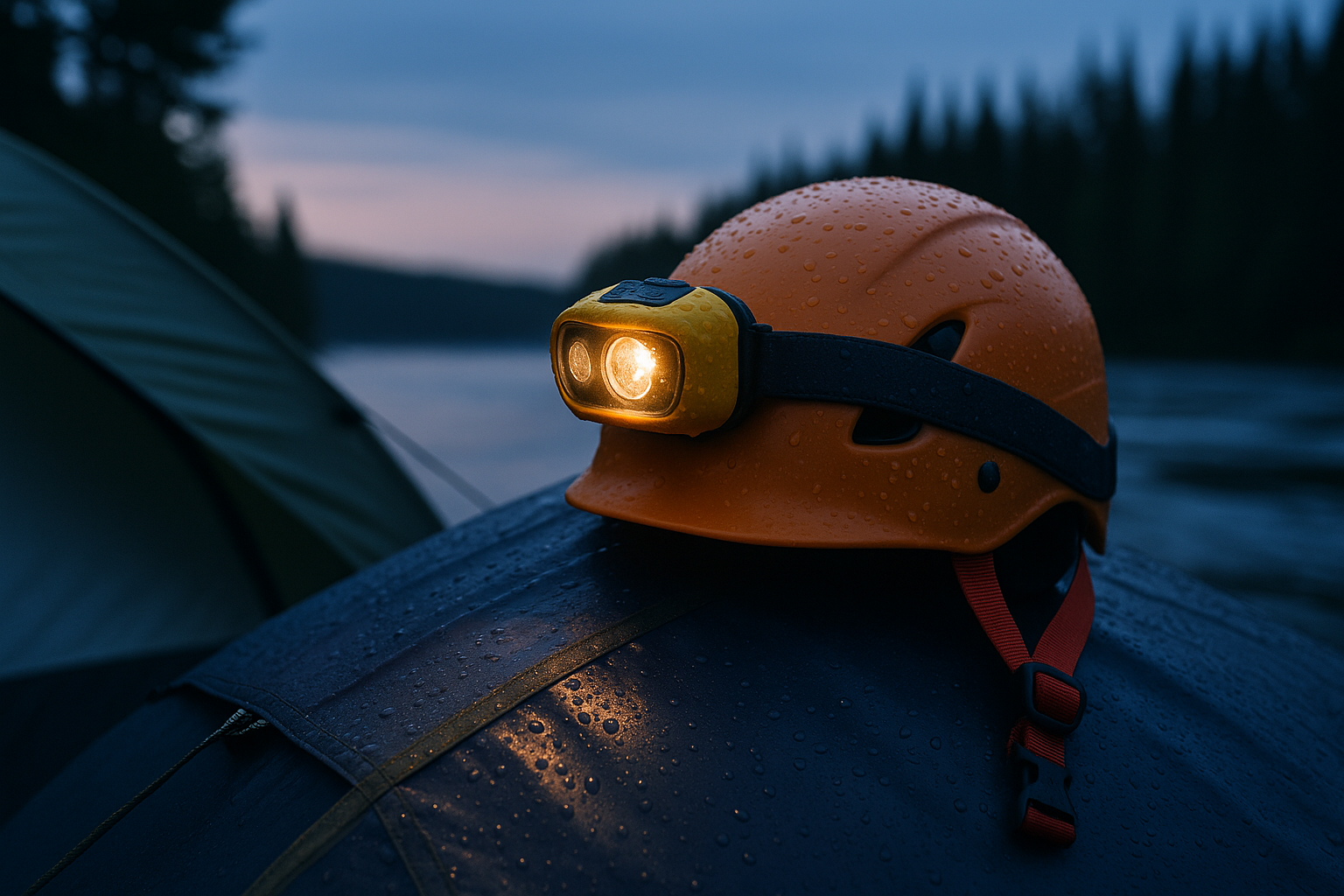
Best Ultralight Headlamp for Kayak Camping 2026
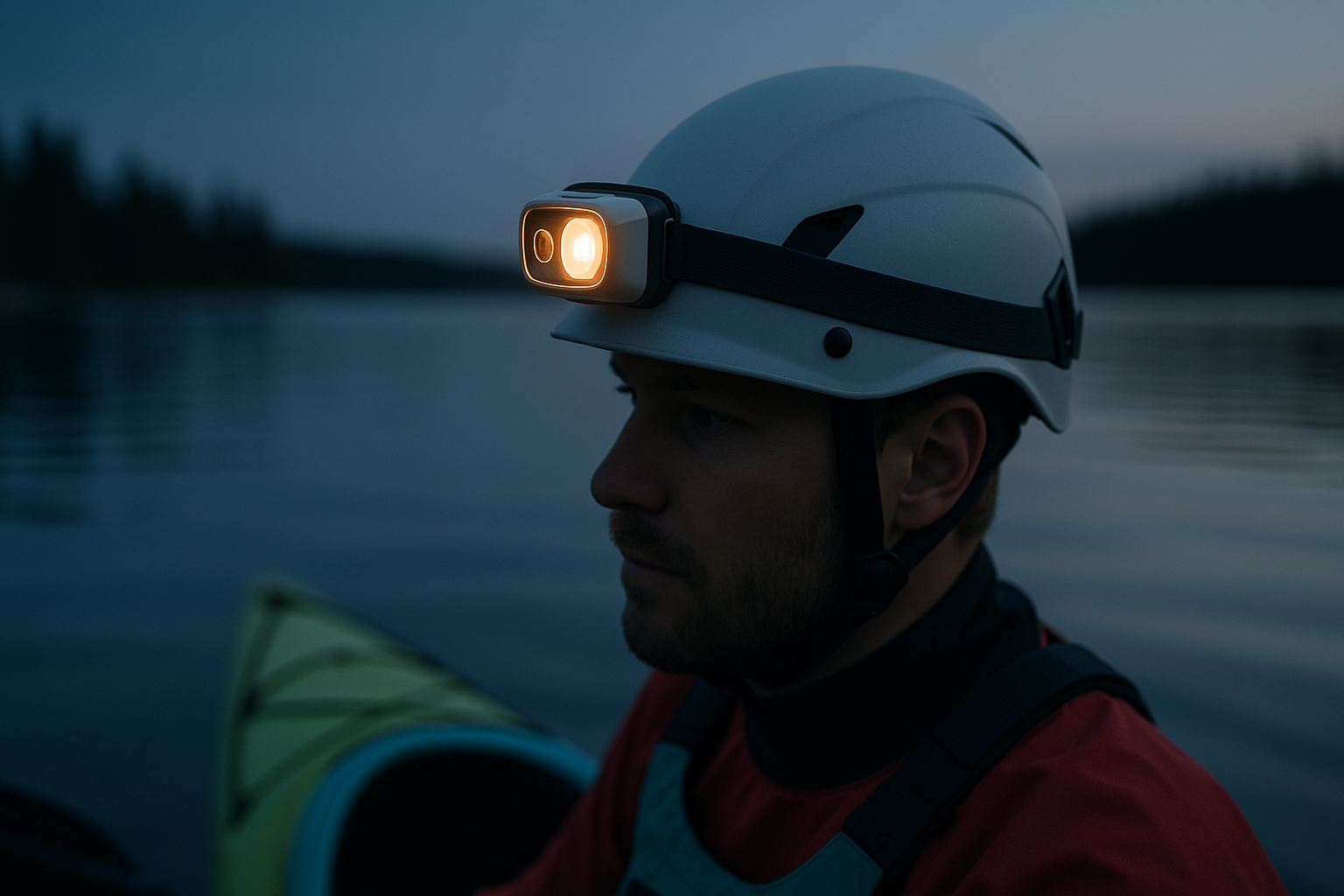
The Right Light for the River: Ultralight Headlamps for Kayak Camping
When you’re camped on a sandbank at dusk, your headlamp is the only thing standing between you and a dark you’ve never known. On the water, it’s also the thing most likely to take a swim—dropped from a dry bag, knocked off your head during a capsize, or dunked while you’re fumbling a tent stake in the dark.
A kayak headlamp isn’t just a backpacking headlamp that got wet. It needs to be light enough that it doesn’t add ounces to an already-tight weight budget, waterproof enough to survive river spray and accidental submersion, and reliable enough that you trust it on night water. This guide walks you through the tested options and shows you how to pick the right one for your river and your kit.
Why Headlamps Matter on the Water
A headlamp on a kayak camping trip does four distinct jobs, and each one shapes what you actually need:
Navigation and safety. If you’re paddling into dusk or launching before dawn, a headlamp lets you read the water, spot hazards, and signal other boats. On the water, brightness matters more than on land—you need enough throw to see the current ahead.
Camp tasks. Setting up a tent, cooking dinner, finding your gear in a dry bag—these are all two-handed jobs, and a headlamp on your head frees your hands. A good beam pattern matters here more than raw lumens.
Emergency light. If something goes wrong—a capsize, a lost paddle, a swim in cold water—your headlamp is a lifeline. It needs to be bombproof and accessible, not buried in a dry bag.
Minimal weight. Every gram in a kayak affects stability, speed, and how much else you can carry. A 150-gram backpacking headlamp is a luxury; a 40-gram ultralight is table stakes.
The best kayak headlamp balances all four. It’s waterproof without being fragile, bright enough for river work, light enough to forget you’re wearing it, and reliable enough that you’d bet your night on it.
Waterproofing: What Actually Matters
Headlamp waterproofing is rated on the IPX scale, and the numbers are more than spec-sheet noise—they tell you what happens when your light goes swimming.
IPX4 (splash-resistant) means water from any direction won’t harm it if splashed, but sustained submersion will. This is fine for a headlamp that lives on your head during a wet day, but risky if you’re dropping it overboard.
IPX7 (submersible to 1 meter for 30 minutes) is the sweet spot for kayak camping. Your light survives an accidental dunking, a capsize, or a dropped-in-the-river moment. Most ultralight headlamps in the tested category hit this mark.
IPX8 (submersible beyond 1 meter) is overkill for a headlamp and usually means extra weight and cost. Skip it unless you’re diving.
Per manufacturer spec sheets, IPX7 headlamps rarely fail from water exposure if you’re not actively submerging them for hours. The real failure points are the battery contacts (corrode if wet for days) and the on/off switch (sticks if sand gets in). More on that below.
Weight: The Ultralight Threshold
Kayak camping headlamps typically range from 35 grams (ultra-minimalist) to 120 grams (feature-heavy). On a multi-day trip, every 10 grams adds up—but so does wishing you’d brought a brighter light.
For reference: - Sub-50 grams: AAA-battery lights, minimal features, best as a backup or for ultralight weight-obsessives. - 50-80 grams: Sweet spot for most kayak campers. Enough brightness, enough features, light enough to pack without regret. - 80-120 grams: Rechargeable or dual-battery options, more lumens, better for longer trips or group camping.
If you’re packing gear for an ultralight kayak camping trip, your headlamp should weigh less than 2% of your total kit. On a 15-pound base camp kit, that means keeping your light under 75 grams. See our full Ultralight Kayak Camping Checklist: Essential Gear 2026 to ensure your headlamp fits your weight budget alongside other essentials.
Battery Type: Rechargeable vs. Disposable
This is where kayak camping diverges from backpacking. On a river trip, you don’t have a wall outlet, and you can’t always recharge on the go.
Rechargeable (USB or built-in battery): Lighter per lumen, cheaper per use, and you control the charging schedule. The downside: if you forget to charge before a multi-day trip, you’re stuck. Many ultralight options come with rechargeable cores, and you can swap in a disposable battery as a backup.
Disposable (AAA, AA, or proprietary): Heavier, more expensive per use, but you pack spares and never run out of juice. On a 3-day trip, one set of fresh batteries usually lasts the whole time.
Hybrid (rechargeable with disposable fallback): The best option for river camping. You charge before you leave, and if the battery dies mid-trip, you pop in an AAA and keep going. This setup has converted more ultralight skeptics than any other feature.
Red-Light Mode: Why It Matters More Than You Think
Most modern headlamps include a red-light mode, and on the water, it’s not a gimmick—it’s essential.
Red light preserves your night vision, which matters if you’re paddling in low light or doing an emergency check of the water around your camp. It’s also easier on your eyes when you’re reading a map or adjusting a tent stake at 2 a.m. Many paddlers report using red mode 60–70% of the time when camping on the water, especially in summer when dusk lasts for hours.
A headlamp without red mode is a headlamp that will frustrate you on the water. Don’t skip this.
Tested Recommendations
Black Diamond Cosmo
** | 48g | 150 lumens | 18-hour runtime**
The Cosmo is the closest thing to a perfect kayak camping headlamp. It runs on two AAA cells and is rated IPX7. The beam is focused but not narrow, which means it works for both reading a map at camp and spotting hazards on the water.
Per manufacturer specs, the Cosmo runs for 15–20 hours on a fresh set of alkaline AAAs, and the red-light mode is actually useful (not a dim afterthought). The headband is comfortable even when wet, and the light doesn’t slip if you’re moving around camp. The main trade-off: it’s not rechargeable, so you’re committed to carrying spare batteries on longer trips.
Best for: Multi-day trips where weight is the priority, or anyone who wants a light they can forget about.
Petzl Actik Core
** | 75g | 350 lumens | 25-hour runtime**
The Actik Core is a mid-tier option that trades some weight for features. It’s rechargeable (USB-C) and is IPX7-rated. The beam is wider and brighter than the Cosmo, which makes it better for camp cooking and group tasks.
Per owner reviews on r/CampingGear and r/Kayaking, the Actik Core’s main strength is durability—the body is robust, the contacts are well-sealed, and it survives repeated dunking and sand exposure better than lighter options. The downside: the rechargeable battery means you’re dependent on a pre-trip charge, and the USB cable is one more thing to pack (though it’s small).
Best for: Paddlers who camp for 2–3 days at a time and want a light that can take a beating.
Black Diamond Wiz
** | 30g | 100 lumens | 12-hour runtime**
The Wiz is the ultralight option for minimalists. It runs on a single AAA and is IPX4-rated (splash-resistant, not submersible). The beam is tight and focused, which is great for reading and wildlife watching but less useful for navigating the camp.
Per owner reports, the Wiz is most useful as a backup light or for paddlers who are already carrying a larger light and want a pocket option. The single AAA means you pack fewer spares, and the compact size means it fits in a shirt pocket. The real advantage: it floats if you drop it overboard, which is not a feature you get on heavier lights.
Best for: Backup light, or ultralight-obsessed paddlers who are willing to trade brightness for weight.
Fenix HL32R-T
** | 60g | 300 lumens | 30-hour runtime**
The Fenix is a budget-tier option that doesn’t feel cheap. It’s rechargeable (USB) and is IPX8-rated (overkill for a headlamp, but it doesn’t hurt). The beam is bright and wide, which makes it excellent for camp tasks.
Per owner reviews on Amazon and outdoor forums, the Fenix is the most reliable budget option—it rarely fails, handles wet conditions well, and the rechargeable battery lasts 30+ hours on a charge. The trade-off is that it’s slightly heavier than the ultralight options, and the USB cable adds a small amount of bulk.
Best for: Paddlers on a tight budget who want a reliable light that won’t need replacing.
Failure Points and What to Watch
Even the best headlamp can fail if you don’t care for it. Here’s what to watch for based on manufacturer guidance and common failure patterns:
Battery contacts corroding. If you leave a headlamp wet for days, the battery contacts can corrode and stop working. Solution: rinse your headlamp in fresh water after a wet day, and let it dry completely before storing it. If you’re using disposable batteries, swap them out if they’ve been wet for more than a few hours.
The on/off switch sticking. Sand and silt get into the switch, and it stops responding. Solution: don’t leave the light on when it’s not in use (saves battery anyway), and rinse the switch in fresh water if you notice it sticking.
The headband stretching or tearing. Wet neoprene stretches, and repeated dunking weakens the stitching. Solution: don’t cinch the headband too tight, and inspect it for tears before a long trip. A small tear can be patched with waterproof tape.
The lens fogging. On cold mornings or after a capsize, the lens can fog up. Solution: most headlamps have a small vent hole to equalize pressure—don’t block it with your hand or a dry bag. If fogging persists, wipe the lens with a dry cloth before use.
How to Choose: A Quick Decision Tree
| Your Scenario | Trip Type | Recommendation |
|---|---|---|
| Solo 2-day river trip, ultralight focus | River, solo, short | Black Diamond Cosmo — 48g, sub-50g threshold, proven on water |
| Group 3-day lake camping, shared camp duties | Lake, group, mid-length | Petzl Actik Core — 75g, bright beam for group tasks, durable |
| Solo 4-day river trip, weight-conscious but want rechargeable | River, solo, longer | Fenix HL32R-T — 60g, rechargeable, reliable, budget-friendly |
| Backup light or ultralight minimalist | Any, backup | Black Diamond Wiz — 30g, floats, pocket-sized |
Packing and Care
Once you’ve picked your light, here’s how to keep it working:
- Pack it in a dry bag. Even IPX7 lights are safer in a dry bag than loose in your hull. Use a small stuff sack or a ziplock, and keep it near the top of your load so it’s accessible.
- Bring a spare set of batteries. Even on a 2-day trip, pack one extra set of AAAs (or whatever your light uses). They weigh almost nothing and could save your night.
- Rinse it after a wet day. Fresh water only. Saltwater corrodes contacts faster than anything else.
- Let it dry completely before storing. If you’re packing it away for the season, make sure it’s bone dry. Moisture in the battery compartment is the fastest way to kill a light.
- Test it before you leave. Turn it on, check the brightness, and confirm the red mode works. A headlamp that fails on the water is a headlamp that should have been tested at home.
For more on packing systems and waterproofing strategies, see How to Pack Ultralight for Multi-Day Kayak Trips: Complete Guide.
FAQ
Can I use a backpacking headlamp for kayak camping? Technically, yes—but most backpacking lights are heavier and less waterproof than purpose-built kayak options. If you already own a decent backpacking headlamp, it’ll work. But if you’re buying new, get one rated IPX7 or higher and under 75 grams.
Can I use rechargeable batteries in a disposable-only headlamp? Not reliably. Disposable-only lights are designed for alkaline chemistry and may not work properly with rechargeables, which have different voltage profiles. If you want rechargeable flexibility, buy a light with a rechargeable core or one that explicitly supports both types.
What’s the difference between IPX7 and IPX8 in real-world kayak use? IPX7 is submersible to 1 meter for 30 minutes—enough for a capsize or dropped light. IPX8 is submersible beyond 1 meter indefinitely. For kayak camping, IPX7 is sufficient; IPX8 adds weight and cost without practical benefit unless you’re diving or paddling whitewater where your light might be submerged for extended periods.
Do I need a headlamp that’s also a lantern? No. Combo lights are heavier and less reliable at both jobs. Stick with a headlamp for personal use, and if you want group light at camp, bring a small ultralight lantern separately.
What if I drop my headlamp in the river? If it’s rated IPX7 and you retrieve it quickly, it’ll be fine. Rinse it in fresh water, let it dry, and it’ll work again. If you lose it entirely, that’s why you pack a backup (or why you picked the Black Diamond Wiz as a second light).
The Light That Gets You There
A headlamp on the water is one of those pieces of gear that you don’t think about until you need it—and then you’re grateful it’s there. The best ultralight options for kayak camping are light enough to pack without guilt, waterproof enough to survive a capsize, and bright enough to read a map or spot hazards on the river.
Pick one that matches your trip length and weight budget, pack a spare set of batteries, and you’re ready for the night. The river doesn’t care what light you bring—but you will, when you’re sitting on a sandbank at dusk and the world goes dark.
For a complete gear breakdown, see Best Ultralight Kayak Camping Gear Under $500 in 2026.