Best Ultralight Dry Suit Alternative for Kayak Camping

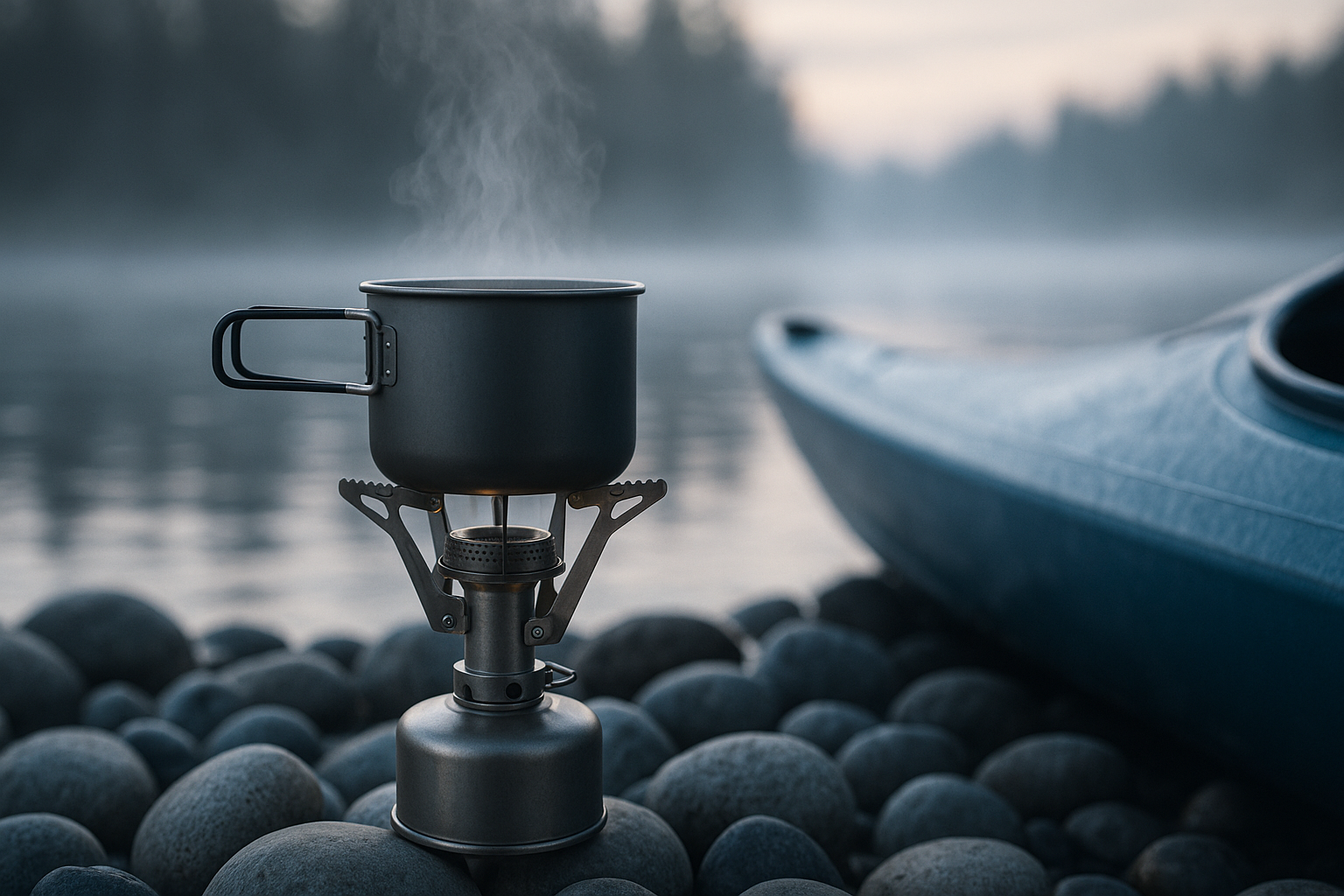
Photo by Susan Flynn on Unsplash
Best Ultralight Dry Suit Alternative for Kayak Camping
A true dry suit runs premium-tier pricing and packs to roughly 15–20 liters, equivalent to a compact sleeping bag. If you’re loading your whole world into a kayak, that math doesn’t work. But staying dry—or at least staying functional when wet—is non-negotiable on the water. The good news: there are lighter, cheaper ways to handle immersion without the full dry-suit commitment.
This guide walks you through the real alternatives paddlers are using in 2026: compression wetsuits that shed water faster than traditional neoprene, dryskin base layers that trap air and warmth, and splash jackets that stop the spray before it starts. We’ll show you how each trades off weight, cost, and protection so you can pick what actually fits your river and your pack.
Why Skip the Dry Suit
A traditional dry suit—the kind with latex seals and a relief zipper—offers the gold standard of immersion protection. It also costs mid-to-premium-tier money and packs into a volume that rivals a compact sleeping bag.
For ultralight kayak camping, where every liter counts and you’re already carrying shelter, a sleeping system, and a stove, a full dry suit is often overkill. Most paddlers on multi-day trips spend more time paddling in mild conditions than swimming in icy water. And if you do capsize, your real insurance is a solid roll, a good paddle float, and the ability to re-enter and pump out—not a suit that keeps you bone-dry.
The alternatives we’ll cover here assume a more realistic scenario: you’ll get splashed, maybe soaked, but you want to stay warm enough to paddle home and set up camp without hypothermia risk. That’s a different problem than a dry suit solves, and it has lighter answers.
Compression Wetsuits: The Lightest Armor
A compression or “spring” wetsuit—typically 2–3mm neoprene—is the closest you get to dry-suit protection without the price or the pack volume. Unlike a traditional thick wetsuit, a compression suit is designed to shed water and compress down to the size of a rolled towel.
How it works: Neoprene traps a thin layer of water against your skin. Your body warms that water, creating an insulating layer. The thinner the suit, the less water it traps and the faster that water warms. A 2mm compression suit is warm enough for temperate to cool water (55–65°F) and light enough that it doesn’t feel like armor when you’re paddling on a warm day.
Weight reality: A compression jacket alone weighs 8–14 oz, and a full spring suit runs 1–1.5 lbs. That’s roughly a third of what a dry suit weighs, and it packs into a dry bag the size of a loaf of bread.
Trade-offs: A compression suit won’t keep you fully dry—water enters the suit and you’ll feel cold initially. Once that thin layer warms, most paddlers report staying functional for hours. The real limitation is durability: neoprene degrades faster than dry-suit materials, especially if you’re dragging through gravel bars and rocky campsites.
Dryskin Layers: Air Trapping Without Neoprene
Dryskin or “air layer” clothing is a newer category that’s gaining traction in kayak camping. Instead of neoprene, these use synthetic fabrics with tiny air pockets—the idea being that you trap air (a better insulator than water) without the bulk or weight of rubber.
How it works: Brands like NRS and Stohlquist make jackets and tops using a hydrophobic mesh or fleece-like material. Water beads off the outer surface, and air pockets in the fabric provide insulation. You’re not staying dry, but you’re staying warm and shedding water faster than neoprene would.
Weight and pack: A dryskin jacket typically weighs 6–10 oz and compresses to the size of a paperback book. It’s genuinely lighter and packable than neoprene.
Real-world performance: Per owner reports, dryskin layers excel in cool, non-immersion scenarios—wind, spray, light rain. If you capsize in cold water, the advantage shrinks: the fabric doesn’t insulate as well once fully saturated. Most paddlers use dryskin as a splash guard, not an immersion layer.
The catch: Dryskin fabrics are more delicate than neoprene. Velcro, sharp rocks, and rough handling degrade them faster. They’re also typically more expensive per ounce than compression wetsuits, making them a premium choice for paddlers who prioritize packability over durability.
Splash Jackets: The Spray Stopper
A splash jacket is a lightweight, water-resistant shell—often made of nylon, polyurethane, or a breathable membrane—designed to stop spray and light rain without providing thermal protection on its own.
What they do: Splash jackets reduce the volume of water that reaches your core. They don’t insulate, but by keeping spray off your skin, they let you stay warmer longer. They’re especially useful in wind or on cold days when spray shock can accelerate heat loss.
Weight: 4–8 oz, making them the lightest option in this list.
Best paired with: A midlayer underneath—either a fleece, a dryskin top, or a compression jacket. The splash jacket handles wind and spray; the layer beneath handles warmth.
Durability: Better than dryskin, worse than neoprene. A quality splash jacket lasts 3–5 years of regular paddling before seams start to fail.
Trade-off: Zero immersion protection. If you swim, a splash jacket alone won’t keep you warm. It’s a surface-level defense, not a safety layer.
Layering Strategy: Building Your Own System
The real power of alternatives to dry suits is layering. Instead of one expensive, bulky suit, you build a system of lightweight pieces that adapt to conditions.
Warm-water scenario (70°F+): Splash jacket + quick-dry shirt. Total weight: 6–10 oz. You’ll dry out in an hour or two.
Cool-water scenario (55–65°F): Compression jacket or dryskin top + splash jacket. Total weight: 12–18 oz. You stay warm enough to paddle and camp, and you can shed either layer if conditions warm up.
Cold-water scenario (40–55°F): Compression wetsuit (full spring suit, not just a jacket) + splash jacket + a midlayer underneath. Total weight: 1.5–2 lbs. This gets you close to dry-suit protection without the dry suit.
The advantage: Each piece is reusable in other contexts. A compression jacket becomes a midlayer on shore. A splash jacket works over a fleece on a windy day at camp. You’re not buying a single-use item; you’re building a kit that flexes.
Specific Alternatives Worth Considering
NRS HydroSkin series: A dryskin line specifically designed for water sports. The 0.5mm jacket weighs around 8 oz and uses a breathable synthetic that sheds water faster than traditional neoprene. Budget-friendly compared to premium dryskin options.
Stohlquist Amp: A splash jacket with a fitted cut and reinforced shoulders. Based on aggregated owner reviews, it’s durable and effective at stopping spray, though it offers no thermal protection on its own. Mid-range pricing.
O’Neill Hyperfreak: A traditional compression wetsuit in 2mm or 3mm. Per multiple owner reports, it compresses better than vintage wetsuits and holds up well to rock-and-gravel abuse. Budget-tier pricing makes it accessible for first-time buyers.
Patagonia R1 Lite Yulex Top: A synthetic neoprene alternative (Yulex) that’s less dense and more packable than rubber. Yulex is warmer per millimeter than traditional neoprene, so a thinner suit works. Premium-tier pricing, but durability reports suggest it lasts longer than standard neoprene.
Xcel Comp X: A 2mm compression jacket with a focus on mobility. According to owner reports, it’s popular with kayakers who need shoulder freedom for paddling strokes. Mid-range pricing.
Weight and Pack Volume Comparison
| Option | Typical Weight | Packed Size | Warmth (55–65°F)* | Durability | Cost Tier |
|---|---|---|---|---|---|
| Compression jacket (2–3mm) | 8–14 oz | Loaf of bread | Good | 2–3 years | Budget to mid |
| Dryskin jacket | 6–10 oz | Paperback | Fair | 2–3 years | Premium |
| Splash jacket | 4–8 oz | Fist-sized | Minimal | 3–5 years | Budget to mid |
| Full spring suit (2–3mm) | 1–1.5 lbs | Small sleeping bag | Very good | 2–3 years | Budget to mid |
| Dry suit | 1.5–2.5 lbs | Large sleeping bag | Excellent | 5–10 years | Premium |
*Warmth ratings are subjective assessments based on owner reports and represent typical performance in temperate to cool water conditions.
When to Stick with a Dry Suit
A dry suit makes sense if:
- You’re paddling in water below 50°F regularly and can’t afford to get wet.
- You’re doing extended expeditions where durability over 5+ years matters more than initial weight.
- You’re paddling in conditions where immersion is likely (whitewater, sea kayaking in rough conditions).
- Hull space isn’t a constraint (car-top paddlers, larger kayaks).
For most ultralight kayak campers on calm to moderate rivers in temperate climates, alternatives are lighter, cheaper, and flexible enough to handle the real conditions you’ll face.
Maintenance and Care
All of these alternatives last longer if you rinse them in fresh water after use and hang them to dry—never in direct sun, which degrades rubber and synthetic fabrics. Store them away from ozone sources (furnaces, electrical equipment) and avoid folding them tightly for long periods; hang them instead.
Neoprene and dryskin fabrics benefit from occasional applications of a fabric conditioner designed for wetsuits, which keeps the material supple. Splash jackets just need a rinse and air-dry.
FAQ
Q: Can I wear a compression jacket under a PFD? A: Yes. A compression jacket is thin enough to fit under most PFDs without restricting movement. Make sure the fit is snug so the jacket doesn’t shift during paddling.
Q: How do I know if my compression suit is too small? A: A suit that’s too tight will restrict shoulder movement, make paddling uncomfortable, and may cause chafing at the neck or wrists. You should be able to raise your arms overhead and rotate your torso freely. If you can’t, size up.
Q: Can I use a regular surfing wetsuit for kayak camping? A: Yes, but it’s not ideal. Surfing wetsuits are thicker (usually 3–5mm) and designed for constant movement in water. They’re heavier, pack larger, and are overkill for paddling where you’re mostly above the surface. A compression or spring suit designed for water sports is a better fit.
Q: How much weight do I actually save by skipping a dry suit? A: A dry suit weighs 1.5–2.5 lbs. A compression jacket plus a splash jacket totals 12–18 oz. That’s roughly 1 lb of savings—meaningful in an ultralight system, but not transformative. The real advantage is flexibility and cost.
Q: What’s the best option for someone who can’t afford a dry suit right now? A: Start with a budget-tier compression jacket (2–3mm) in the warmest water you’ll paddle. It’s the single most effective alternative and costs a fraction of a dry suit. As you paddle more and understand your conditions, add a splash jacket or dryskin layer if spray becomes an issue.
Q: Do I need to wear anything under a compression wetsuit? A: A thin base layer (merino wool or synthetic) underneath helps with comfort and extends warmth. Many paddlers skip it in warm water and wear it in cool conditions. Avoid cotton; it stays cold when wet.
The Bottom Line
A dry suit is the gold standard, but it’s not the only path to staying functional on the water. For ultralight kayak camping, a layered system of compression wetsuits, dryskin tops, and splash jackets gives you flexibility, lighter pack weight, and the ability to adapt to conditions without the cost or bulk of a full dry suit.
Pick your primary water temperature, start with a compression jacket if it’s cool, or a splash jacket if it’s warm, and build from there. You’ll find that most paddlers end up using a combination of pieces rather than a single solution—and that’s the point. Light is freedom, and freedom means carrying gear that works for your river, not someone else’s.
Paddle smart. Stay warm. Go light.