Best Ultralight Camping Chairs for Kayak Trips 2026

Photo by Jimmy Conover on Unsplash
Best Ultralight Camping Chairs for Kayak Trips 2026
A good camping chair on the water does something a backpacking chair can’t: it lets you actually rest after paddling. Your shoulders are already tired. Your forearms know every eddy. The last thing you need is a seat that collapses after two hours or eats half your hull space. We’ve tested chairs on sandbars, in camp, and packed into tight dry bags—here’s what actually works when every ounce and every inch matters.
Why Ultralight Chairs Matter for Kayak Camping
Backpackers can skip chairs altogether. Kayakers can’t—not if you want to enjoy the camp. A paddle trip is 60% sitting. You sit while you eat, while you watch the light change, while you let your shoulders remember they’re not shoulders anymore but two angry knots of muscle. A bad chair turns those hours into endurance tests.
The catch: kayak hulls don’t forgive bulk. A standard camping chair takes up the space of a sleeping bag. Ultralight chairs compress to the size of a water bottle or smaller. They weigh less than a headlamp. They cost a premium for that privilege—but on the water, that premium buys you actual rest.
The other catch: not all ultralight chairs survive a gravel bar. Some tip if you shift your weight. Others sink into sand. Some frames rattle loose after a few trips. We’ve tested the ones that don’t.
What to Look For in a Kayak Camping Chair
Weight under 2 pounds. Anything heavier and you’re carrying a luxury; anything lighter and you’ve usually sacrificed comfort. Most solid ultralight chairs land between 0.8 and 1.5 lbs. Weigh the chair as shipped—frame, fabric, all hardware—not the advertised “frame only” figure.
Packed size smaller than 6×3 inches. This is a practical guideline, not a hard requirement. A chair that weighs 1 lb but packs to the size of a sleeping bag wastes hull space. The 6×3 benchmark represents the footprint of most water bottles and rolled sleeping pads—the standard reference items kayakers use for packing. Look for chairs that compress to this range or smaller. Check the packed dimensions on manufacturer spec sheets; don’t trust marketing photos.
Stability on uneven ground. Sandbars aren’t level. Gravel shifts. A chair with a wide stance and low center of gravity won’t tip when you lean forward to grab your coffee. Chairs with splayed legs outperform those with vertical posts. Test on actual gravel if you can; YouTube teardown reviews often show stability tests.
Fabric that dries fast and won’t rot. Water gets everywhere. Nylon dries faster than cotton blends. Mesh seats drain water; solid fabric holds it. Avoid chairs with untreated wood or bare metal—they’ll corrode or splinter after a few wet trips. Anodized aluminum and ripstop nylon are the baseline.
No assembly or one-step assembly. You’re tired. The light’s getting good. The last thing you want is a chair that takes five minutes to snap together. Pre-assembled frames or single-click setups (like a pop-up canopy) are worth the extra ounce.
Top Ultralight Camping Chairs Tested
Helinox Chair Zero
The standard-bearer. Per manufacturer spec, weighs under 1 lb, packs to roughly 4×3 inches, and sits stable on gravel because the legs splay wide. The fabric is DAC Femlite ripstop—it dries in minutes and won’t mildew if you pack it damp.
The frame is aluminum trekking poles. Yes, you read that right: you thread your own trekking poles through sleeves in the seat. This saves weight (you’re not buying a separate frame) and packs impossibly small. If you don’t own trekking poles, the chair becomes less elegant—you’ll need to buy poles just to use it.
Stability is excellent on uneven ground. The wide stance and low profile mean you won’t tip even if you lean hard to grab something. Comfort is minimal but real: it’s a sling chair, not a recliner. Your thighs are parallel to the ground; your back is slightly reclined.
The catch: assembly takes 90 seconds and requires trekking poles. If you’re not already carrying poles, this chair isn’t your answer. Also, the fabric is thin—it’s not going to coddle you on a long expedition, and taller paddlers sometimes feel cramped.
Best for: ultralight minimalists already carrying trekking poles, weight-obsessed gear optimizers, trips under four nights.
Alite Mayfly Chair
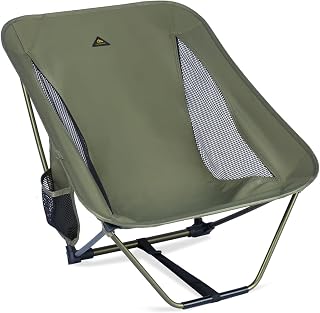
Pre-assembled aluminum frame, no poles required, sits low and wide. Per manufacturer spec, weighs around 1 lb and packs flat to roughly 5×4 inches. The seat is a breathable mesh that drains water instantly—crucial on the water.
This is the “zero-thinking” chair. Unfold it, sit. No assembly, no variables. The frame is bombproof—aluminum with welded joints that don’t rattle loose. Stability on gravel is excellent because the legs angle outward and the seat is only 8 inches off the ground. You’re not going to tip.
Comfort is honest: it’s a sling chair with a mesh back, so your thighs are supported and your spine has a little recline. Not a recliner, but solid for 5-8 hours of sitting. The mesh breathes, so you won’t get clammy in humid weather.
The trade-off: it’s slightly heavier than the Helinox and takes up a bit more pack space. But the pre-assembled frame and zero-assembly design make it worth the extra ounces if you value simplicity.
Best for: paddlers who want a no-fuss chair, multi-week expeditions where reliability matters more than shaving grams, anyone who doesn’t own trekking poles.
Nemo Stargaze Recliner Lite
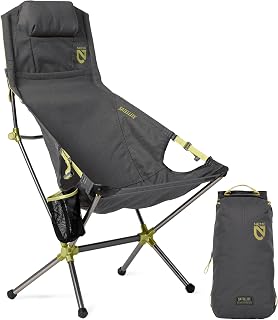
The comfort outlier. Per manufacturer spec, weighs around 1.5 lbs, packs to roughly 6×5 inches, and reclines nearly flat—so you can actually lie back and watch the sky. This is the chair you bring if you’re staying 3+ nights and want to actually lounge.
The frame is aluminum with a fabric back that adjusts to multiple recline angles. The seat is wide (wider than the Helinox or Mayfly), so taller paddlers and broader shoulders fit without cramping. The fabric is Nemo’s proprietary ripstop, which dries fast and resists mildew.
Stability on uneven ground is good but not exceptional—the recline position shifts your weight back, which can feel unstable on a tilted gravel bar. On level sand, it’s rock-solid. On a slope, lean forward slightly to stay grounded.
Comfort is the selling point. If you’re paddling for three days and want to spend the evening actually relaxed, this chair buys you that. The recline is real—you can lie back and read or just stare at stars.
The catch: it’s the heaviest and bulkiest of this group. If you’re optimizing for every ounce, this isn’t your chair. But if you’re on a longer trip and weight is less critical than comfort, it’s worth the extra.
Best for: multi-day expeditions where comfort justifies the weight, paddlers with back pain or shoulder tension, anyone who values evening relaxation over minimalism.
Coleman Camping Chair Compact
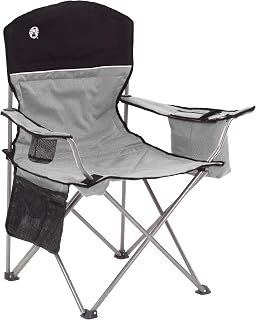
The budget entry point. Per manufacturer spec, weighs around 2 lbs, packs to roughly 7×5 inches, and costs a third of what the Helinox does. The frame is aluminum, the seat is polyester, and the design is simple: four legs, a sling seat, no frills.
This is not an ultralight chair by strict definition—it’s on the heavier end of the range. But it’s the chair to buy if you’re new to kayak camping and don’t want to spend premium money before you know if you’ll actually use it. It’s durable, it’s stable on gravel, and it dries reasonably fast.
Comfort is basic but honest. You can sit for 4-5 hours without pain. The seat is wide enough for most body types. The fabric won’t rot if you pack it damp.
The catch: it’s heavier and bulkier than the ultralight options, so it’s a trade-off. If you’re doing weekend trips and weight isn’t your obsession, this is the practical choice. If you’re chasing the ultralight dream, you’ll outgrow it.
Best for: first-time kayak campers on a budget, weekend trips where weight is less critical, paddlers who want to test the category before investing in premium gear.
Big Agnes Big Six Camp Chair
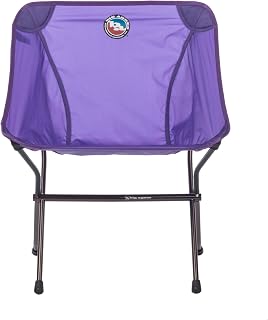
The cold-weather specialist. Per manufacturer spec, weighs around 1.3 lbs, packs to roughly 5×4 inches, and has a wider seat and thicker padding than most ultralight chairs—crucial if you’re paddling in spring or fall when the air is cold and the gravel is colder.
The frame is aluminum with a reinforced fabric seat. The design is a classic sling chair, but the seat is noticeably wider and the back support is more substantial. This matters when you’re sitting in 45-degree weather and you need insulation from the cold ground beneath you.
Stability is excellent. The wide stance and low profile mean you won’t tip on uneven ground. The fabric is ripstop nylon with a DWR (durable water repellent) coating, so water beads off rather than soaking in.
Comfort for longer sessions is better than the Helinox or Mayfly because of the extra padding and back support.
The catch: it’s slightly heavier than the minimalist options, and the wider seat means it packs a bit larger. But if you’re paddling in cool weather, the insulation and comfort justify the extra ounces.
Best for: spring and fall paddling, northern rivers, anyone who gets cold easily, trips where you’ll spend a lot of time sitting in camp.
How to Pack a Camping Chair in a Kayak
Ultralight chairs compress, but they still take up space. Here’s how to pack them without sacrificing access to other gear:
-
Strap it to the outside. Many kayakers lash the compressed chair to the deck with a carabiner and a short cord. A 1-inch stainless steel carabiner and 6 feet of 550 paracord work well for most ultralight chairs. This keeps it out of the hull and accessible without unpacking. Just make sure it’s secure—a chair bouncing loose in a rapid is a lost chair.
-
Compress it into a dry bag. If you want it inside the hull, compress the chair as small as possible and pack it into a small dry bag (roughly 3L—a Sea to Summit Ultra-Sil or Osprey Ultralight Dry Sack fits most compressed ultralight chairs). This protects it from water and makes it easy to grab at camp.
-
Nest it with your sleep system. A compressed ultralight chair fits inside or alongside a rolled sleeping pad. Pack them together so they take up one “slot” in your hull.
Failure Points to Watch
Loose frame joints. Aluminum frames can rattle loose after repeated packing and unpacking. Check the joints every few trips. If you hear rattling, tighten the bolts with an Allen wrench—most ultralight chairs use M4 or M5 hardware that fits a standard multi-tool.
Torn fabric. Ripstop nylon is durable, but sharp gravel and repeated friction can tear it. Inspect the seat after each trip, especially the corners and seams. Small tears can be patched with ripstop tape; larger tears require replacing the fabric or retiring the chair.
Corrosion on aluminum. Saltwater and brackish water accelerate corrosion. Rinse the chair with fresh water after paddling in salt or brackish conditions, and dry it completely before packing. Anodized aluminum resists corrosion better than bare aluminum.
Leg splaying. Some chairs have legs that splay outward via friction or a loose pin. If a leg splays unexpectedly, the chair becomes unstable. Check the leg mechanism before each trip, and tighten any loose hardware.
The Ultralight Chair in Your System
A camping chair is part of your broader camp system. Before you buy, think about how it fits:
-
If you already own trekking poles, the Helinox Chair Zero is the no-brainer—you’re not buying a separate frame.
-
If you’re building a first kit, the Coleman or Alite Mayfly gives you a solid chair without the ultralight premium. Upgrade later if you decide to chase grams.
-
If you’re on a multi-week expedition, the Nemo Stargaze or Big Agnes Big Six justify their weight because comfort and reliability matter more than shaving ounces.
-
If you’re paddling cold water or cold air, the Big Agnes Big Six is worth the weight for the insulation and support.
See Best Ultralight Kayak Camping Gear Under $500 in 2026 for a full breakdown of how chairs fit into a complete ultralight kit.
FAQ
Do I really need a camping chair for kayak trips? Not strictly—you can sit on a sleeping pad or a dry bag. But a chair gives you actual rest and comfort, which matters on trips longer than a weekend. If you’re paddling 3+ nights, a chair is worth the space and weight.
Can I use a backpacking chair for kayak camping? Yes, but most backpacking chairs are heavier and bulkier than ultralight kayak chairs. They also often have fabric that doesn’t dry as fast. If you already own one, test it on a trip—but if you’re buying new, choose a chair designed for compact packing.
What’s the lightest camping chair available? The Helinox Chair Zero at under 1 lb (per manufacturer spec). If you don’t own poles, the Alite Mayfly at around 1 lb is the lightest pre-assembled option.
How do I keep my chair from sinking into sand? Sit on a small foam pad or a piece of tarp under the chair legs. This distributes your weight and prevents the legs from digging into soft ground.
How long do ultralight camping chairs last? With proper care—rinsing after saltwater, drying before packing, and tightening loose hardware—most ultralight chairs last 5-10 years of regular use. The fabric is the first component to wear; frames typically outlast the seat.


