Best Ultralight Backpack for Kayak Camping

Photo by Eneko Uruñuela on Unsplash
The Right Pack for the River
When you’re loading a kayak, a backpack isn’t just a container—it’s part of your boat’s balance, your capsize recovery, and your ability to move camp from shore to shore without drowning your sleeping bag. A traditional hiking pack works on a ridge. On a gravel bar at dusk, with wet hands and a current nearby, it becomes a liability. This guide walks you through what makes a kayak-specific ultralight pack different, how to choose one that fits your hull and your trips, and which packs earn their place in a paddler’s kit.
Why a Kayak Backpack Isn’t a Hiking Pack
The moment you load a traditional backpack into a kayak, you’ve introduced a problem. Hiking packs are designed to sit on your shoulders and distribute weight down your spine. They have rigid frames, padded straps, and air channels meant to breathe against your back. None of that matters on water—and most of it works against you.
A kayak pack lives in a hull. It gets soaked. It compresses under the weight of other gear. It needs to float if your boat flips, or at least seal so tight that water never reaches your sleeping bag. It needs to fit through a hatch without tearing. It needs to be packable small enough that you can wedge it between a tent and a stove and still close the dry compartment. And it needs to be light enough that it doesn’t sink your boat or steal precious weight budget from food, water, and shelter.
Hiking packs have thick padding, internal frames, and mesh panels. A kayak pack is usually frameless or has a minimal frame. It’s built from ripstop nylon or Cordura, often with a roll-top closure or a dry-bag-style seal. The straps are simpler—you’re not carrying it on your back for eight hours. You’re grabbing it, moving it, sometimes swimming with it. The pack is a tool for the water, not a second skin.
Dry Bag vs. Dry Pack: Know the Difference
Before you shop, understand the category split. The market offers two distinct products, and they solve different problems.
Dry bags are simple sealed containers with handles and sometimes straps. They’re not designed to be worn as a backpack. You stuff them, roll the top down, seal them, and lash them into your boat. They’re light, cheap, and foolproof. If you’re packing a single item—a sleeping bag, a set of clothes, your first-aid kit—a dry bag is perfect. They stack neatly. They don’t waste weight on structure.
Dry packs (also called dry backpacks or waterproof backpacks) are hybrid tools. They have shoulder straps and a back panel, so you can wear them like a backpack when you’re on shore. But they also seal like a dry bag and fit into a kayak hatch. They’re heavier than plain dry bags because they include straps and structure, but they’re lighter than hiking packs, and they solve the problem of moving your whole camp from the boat to the beach in one trip.
For ultralight kayak camping, most paddlers use a mix: a dry pack for the essentials that need to stay with you (shelter, sleep system, first aid), and then smaller dry bags for food, spare clothes, and kitchen gear. That way, if you capsize or need to abandon the boat quickly, you grab the pack and you’re mobile. Everything else can be recovered or is already secured.
The Specs That Matter: Weight, Volume, Seal
When you’re evaluating a kayak pack, focus on three things.
Weight. An ultralight pack should weigh under 2 pounds empty. Most quality options land between 1 and 1.8 pounds, per Sea to Summit product specs and Hyperlite Mountain Gear spec sheets. A hiking pack of comparable volume weighs 3–5 pounds. That difference adds up fast when you’re trying to stay under a 15-pound total kit weight.
Volume. Most kayak packs for multi-day camping range from 30 to 60 liters. A 30-liter pack holds a sleep system, shelter, and some clothes. A 50-liter pack lets you carry more margin—extra food, a second layer, repair supplies. For weekend trips, 30–40 liters is plenty. For five-day expeditions, 50+ liters makes sense. The tradeoff: bigger packs are heavier and harder to pack into tight hatches.
Seal type. The closure matters. Roll-top closures (you roll the pack down and clip it shut) are the gold standard for kayak camping. They’re proven, simple, and they seal tighter than zippers when you’re wet and fumbling in dim light. Some packs use drybag-style roll-top with a valve; others use a traditional kayak dry-bag roll. Both work. Avoid packs with only zippers unless they’re genuinely waterproof zippers (they’re rare and expensive). A regular zip will leak if you’re underwater or sitting in a wet boat.
Volume Sizing: Match Your Trip Length
The volume you choose depends on how many nights you’re paddling and whether you’re resupplying from shore or carrying all food.
Weekend trips (2–3 nights, resupply possible): A 30-liter pack is usually enough. You’re carrying shelter, sleep system, a change of clothes, toiletries, and maybe two days of food. Weight runs 8–12 pounds total. This is the sweet spot for first-timers and paddlers doing local rivers where you can stop at a town or cache supplies.
Multi-day expeditions (4–7 nights, remote water): Jump to 50 liters. You’re carrying more food, possibly water treatment, a repair kit, and extra insulation. Total pack weight might hit 15–18 pounds. The extra volume gives you breathing room so nothing gets crushed and you can pack efficiently.
Extended trips (8+ nights): Consider 60+ liters, or use two smaller packs. On long expeditions, per r/CanoeCamping discussion threads and r/Kayaking load-out posts, paddlers often split their load into two packs to distribute weight, keep the boat balanced, and ensure that if one pack is lost, you still have shelter and sleep system.
Material & Durability: What Survives the Water
Kayak packs live rough. They get scraped on rocks, soaked in salt spray, and crammed into tight spaces. The material matters.
Ripstop nylon is the standard for ultralight packs. It’s light (often 400–500 denier), durable, and seals well with a roll-top. It can be treated to be more water-resistant, though true waterproofing comes from the seal, not the fabric. Most ultralight packs use ripstop nylon.
Cordura is heavier (1000+ denier) but tougher. If you’re paddling rocky rivers or making frequent portages, Cordura resists punctures and abrasion better than ripstop. The tradeoff: a Cordura pack weighs 20–30% more. For ultralight camping, ripstop is the default; Cordura is for abuse.
PVC-coated fabrics are fully waterproof but heavier and stiffer. They’re common in budget dry bags but rare in ultralight packs because the weight penalty is steep. If you see a pack touted as “100% waterproof” with a heavy PVC coating, it’s not ultralight—it’s just a dry bag with straps.
Per Watershed dry pack durability testing and owner reports on r/CanoeCamping, a quality ripstop nylon pack with a proper roll-top seal will keep your gear dry even if the pack is partially submerged. The seal is what matters, not the fabric.
Frame or Frameless: The Weight-Comfort Tradeoff
Frameless packs are the ultralight standard. No internal stays, no aluminum bars. They weigh less and pack flatter. When empty, they’re floppy. When full, they hold their shape. The downside: they don’t distribute weight as comfortably as a framed pack if you’re carrying them on your back for long distances. But in kayak camping, you’re rarely carrying the pack more than a few hundred yards—from boat to camp, camp to water. Frameless works.
Minimal-frame packs have a thin aluminum stay or a foam sheet to add structure. They weigh 1.5–2 pounds and offer a bit more back support if you’re doing longer shore carries or portaging. Most mid-tier ultralight packs fall here.
Full-frame packs (like traditional hiking packs) are 3+ pounds and overkill for kayak camping. Skip them.
The Roll-Top Seal: How It Works and Why It Matters
The roll-top closure is the defining feature of a kayak pack. Here’s how it works: you stuff your gear, fold the top of the pack down (usually 2–3 times), and clip the fold shut with plastic or metal buckles. The rolled fabric creates a seal that water can’t penetrate unless you fully submerge the pack.
Per owner testing on r/CanoeCamping and r/Kayaking capsize discussions, a properly rolled pack stays dry even if capsized, as long as the seal is tight. A poorly rolled pack—where the fold is loose or the buckles aren’t clipped—can leak. The technique matters. Most packs come with instructions; follow them.
Some packs add a valve (like a dry-bag valve) to the roll-top. You can press the valve to release air, which makes packing easier and compresses the pack smaller. It’s a nice feature but not essential.
Strap Design: Grab-and-Go vs. Carry-All-Day
Kayak pack straps are simpler than hiking pack straps because they don’t need to be comfortable for eight hours of walking. They just need to let you grab the pack, sling it on your back or over your shoulder, and move it from boat to camp.
Strap features by pack:
| Pack | Padded Straps | Sternum Strap | Grab Handle |
|---|---|---|---|
| Sea to Summit Ultra-Sil | Minimal | No | Yes |
| Watershed Colorado | Yes | Yes | Yes |
| Outdoor Products Dry Bag | Thin | No | Yes |
| Hyperlite Mountain Gear | Yes | Yes | Yes |
| Ortlieb Back-Roller | Yes | Yes | Yes |
Look for: - Padded shoulder straps (even light padding helps if you’re carrying a wet, heavy pack) - A sternum strap (optional but useful; it keeps the pack from sliding off your shoulder when you’re moving downhill or over rocks) - A grab handle on top (lets you grab the pack one-handed if you’re in the water or need to move fast)
Some ultralight packs skip the sternum strap to save weight. If you’re doing short carries on flat ground, you won’t miss it. If you’re portaging over uneven terrain, you’ll want it.
Internal Organization: Pockets vs. Open Space
Here’s where kayak packs diverge from hiking packs. Most ultralight kayak packs are single-compartment—one big open space. No internal pockets, no dividers, no mesh panels. This keeps weight down and lets you pack efficiently.
The downside: you need to organize your own gear. Everything goes loose into the pack, so you need to be deliberate about what you put where. Wet items on the bottom, dry items on top. Fragile items wrapped separately. It’s not hard, but it requires intention.
Some packs add a small front pocket or a zippered inner compartment. These add weight and complexity but can be worth it if you want quick access to a headlamp, sunscreen, or a map. Most ultralight paddlers skip them and use small dry bags or stuff sacks inside the main compartment.
How to Pack a Kayak Pack: Kayak-Specific Constraints
Packing a kayak pack differs from packing a hiking pack because of hatch size and boat balance.
Weight distribution for hull balance. Heavy items (sleeping bag, shelter, sleep pad) go low and centered in the pack. This keeps the center of gravity low in the boat and prevents the stern from dragging or the bow from riding high. If your pack is too heavy on one side, the boat will list and paddle inefficiently. Aim for balanced weight distribution—nothing all to one side.
Hatch-driven compression. Your pack must fit through your kayak’s hatch. Most recreational kayaks have hatches 8–10 inches in diameter. A 50-liter pack can be compressed to fit, but only if you pack tightly. Use compression stuff sacks for sleeping bags and clothes. Stuff smaller items (first-aid kit, electronics, toiletries) into the gaps. A loose pack won’t fit; a compressed pack slides through easily.
Accessibility hierarchy. Pack in reverse order of use. Sleeping bag and shelter go in first (you’ll need them last, at camp). Food and stove go in the middle. First-aid kit and map go on top or in a small accessible pocket. This way, you’re not unpacking the entire bag to find your headlamp.
Top Picks: Ultralight Kayak Packs by Scenario
Best for weekend trips under 3 days: 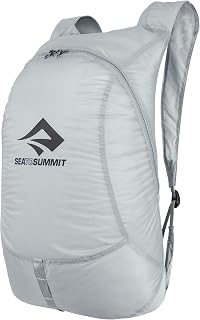
The Ultra-Sil is the gold standard for ultralight weekend kayakers. It weighs under 1.5 pounds, compresses to the size of a water bottle, and uses a roll-top seal that’s been tested on thousands of rivers. The 22-liter volume is tight for three nights but perfect if you’re resupplying or doing overnights. The ripstop nylon is thin enough to feel fragile but durable enough for years of use, per long-running owner threads on r/CanoeCamping. At mid-tier pricing, it’s the pack most ultralight paddlers start with.
Best for multi-day expeditions with heavy load: Watershed Colorado Dry Pack
The Colorado is the workhorse. It’s 60 liters, built from tough Cordura, and designed specifically for water. The roll-top seal is bombproof—it’s been tested in whitewater and on multi-week expeditions. It weighs around 2.5 pounds, but the durability and volume are worth it if you’re carrying a full kit for 5+ nights. Per Watershed’s product specs and durability claims and owner reports on r/CanoeCamping, it survives abuse that would destroy a lighter pack. Premium-tier pricing, but it lasts a decade.
Best for tight budgets and first-timers: 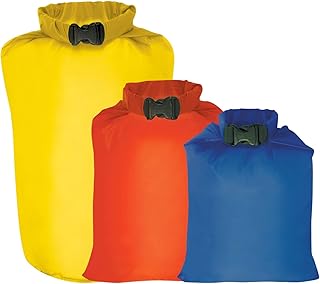
If you want to test the waters without spending mid-tier money, this pack delivers. It’s budget-tier, weighs around 2 pounds, and has a simple roll-top seal. It won’t be as light or durable as premium options, but it works for weekend trips and teaches you how to pack. Per owner reviews on retail sites, the main weakness is the shoulder straps (they’re thin and can dig into your shoulders with a heavy load), but for short carries, it’s fine.
Best for ultralight packrafters and modular multi-trip setups: Hyperlite Mountain Gear Ultralight Dry Pack
Hyperlite makes packs for packrafters and kayakers—people who care about ounces. This pack is frameless, weighs around 1.2 pounds, and uses a roll-top seal. The 40-liter volume is a sweet spot for most multi-day trips. It’s expensive (premium-tier), but if you’re obsessed with weight and willing to spend for it, this is the pack. Per Hyperlite’s manufacturer specs and owner testing on r/Ultralight, it’s one of the lightest dry packs on the market. The modular design (separate straps that can be removed) makes it flexible for different trip types.
Best for paddlers using outfitter gear or borrowed boats: [product:Ortlieb