Cheapest Ultralight Dry Bag Brands for Kayak Camping 2026

Photo by Hendrik Morkel on Unsplash
Cheapest Ultralight Dry Bags for Kayak Camping
When you’re loading a kayak, every ounce matters — and every leak costs you a trip. Dry bags are non-negotiable, but they don’t have to drain your budget before you even leave the parking lot. Budget ultralight dry bags start for a 5-liter bag and run for larger sizes, compared to for mid-tier brands. The cheapest ultralight options aren’t compromises; they’re the same materials and designs the premium brands use, without the markup.
This guide walks you through budget dry bag brands that actually work on the water, what to watch for when you’re comparing, and how to build a system that keeps your gear dry without breaking the bank.
Why Ultralight Dry Bags Matter on the Water
A dry bag isn’t just a waterproof container — it’s a packing system. On a kayak, it has to do three things at once: seal tight enough to survive a capsize, pack small enough to fit your hull, and stay light enough that you’re not hauling dead weight on a multi-day push.
Generic dry bags (the kind you find at big-box outdoor retailers) often fail on at least one count. They’re either heavy, or they don’t seal reliably, or they’re so rigid they waste hull space. Ultralight dry bags solve this by using thin, flexible materials — usually nylon or polyurethane-coated fabrics — that compress when empty and seal with a simple roll-top rather than a clunky buckle system.
The cheapest ultralight brands use the same roll-top principle as premium competitors. The difference is usually in the fabric weight, the number of seams, and whether you’re paying for a famous name. A budget ultralight dry bag from a direct-to-consumer brand or a retailer’s house line can outperform a mid-range brand-name bag at half the price.
What “Cheapest” Actually Means in Ultralight Dry Bags
Budget-tier ultralight dry bags typically run for small to medium sizes. Mid-tier bags (from established outdoor brands with more robust construction) run. Premium ultralight bags — often from specialized kayak or ultralight companies — run +.
For kayak camping, the budget tier is where most of your value lives. You’re not paying for brand prestige or fancy hardware; you’re paying for a sealed container that weighs almost nothing. Most paddlers report that budget ultralight dry bags last 3–5 seasons of regular use before the seams or fabric starts to show wear — which is plenty of life for the cost.
The catch: budget ultralight bags often use thinner fabrics, which means they’re more prone to puncture if you’re rough with them on rocky shores. They also tend to have fewer reinforcement layers at stress points like the seams. But if you’re careful with your kit (and most kayak campers are), this trade-off is worth it.
Budget Ultralight Dry Bag Materials & Design
All ultralight dry bags work on the same principle: a thin, waterproof fabric sealed with a roll-top closure. The differences are in the details.
Fabric choices:
- Nylon with polyurethane coating — the standard for budget ultralight bags. Lightweight, flexible, and reliable when dry. The downside: the coating can degrade if exposed to intense UV over years, and it’s not quite as durable as heavier materials.
- Ripstop nylon — adds tiny cross-woven fibers that resist tearing. Slightly heavier than plain nylon, but noticeably more durable on rocky shores. Most budget brands use ripstop for this reason.
- Vinyl or PVC — cheaper to manufacture, very waterproof, but heavier. Less common in ultralight bags; more common in budget bags aimed at casual users.
Sealing mechanisms:
- Roll-top with no fasteners — you roll the top down and trust friction to hold it. Lightest option, but requires discipline. If you’re sloppy with the roll, water can creep in.
- Roll-top with a carabiner clip — adds a few grams but gives you a way to cinch the bag shut and attach it to your kayak. Most budget ultralight bags use this approach.
- Welded seams — the fabric is heat-sealed rather than stitched. Stronger than stitched seams but more expensive to manufacture. You’ll find this on mid-tier and premium bags.
For kayak camping, a roll-top with a carabiner is the sweet spot. It’s light, it works, and the carabiner clip lets you lash the bag to your deck or hull.
How to Choose the Right Dry Bag for Your Needs
Before buying, answer these questions:
What size do I need? For kayak camping, think in terms of what you’re storing. A 5-liter bag holds a sleeping bag or a day’s worth of food. A 10-liter bag holds clothing or a tent. A 20-liter bag holds bulky insulation. Most paddlers use a mix of sizes rather than one large bag, because modularity makes repacking easier and lets you organize gear by category.
Roll-top vs. valve: which is better for kayaking? Roll-top bags (the budget standard) are lighter and simpler. Valve bags (found on mid-tier and premium options) are faster to open but heavier and more prone to failure. For kayak camping, stick with roll-top. The seal is reliable, and the simplicity means fewer things to break.
How durable do I need it to be? If you’re paddling calm inland lakes and being careful with your gear, a budget ultralight bag will last 5+ seasons. If you’re paddling rocky coastal areas or dragging bags across sharp terrain regularly, consider a mid-tier bag with thicker fabric. Most kayak campers fall into the first category.
Should I buy nested bags or individual sizes? Nested bags (like Granite Gear’s) save space at home but are slightly heavier per bag. Individual bags (like Sea to Summit’s) are lighter but take up more storage. For kayak camping, nested bags make sense because you’re only carrying the sizes you need on each trip.
Best Budget Ultralight Dry Bag Brands
Sea to Summit Ultra-Sil Dry Sacks
Sea to Summit Ultra-Sil Dry Sack
Sea to Summit’s Ultra-Sil line is the gold standard for budget ultralight dry bags. Per owner reports across Amazon and r/Ultralight, these bags weigh around 30–50 grams depending on size, seal reliably even after years of use, and per bag.
The fabric is lightweight nylon with a polyurethane coating. The seams are stitched, not welded, which keeps the cost down. The roll-top closure is simple: no buckles, no valves, just roll and trust. Most owners report that a single roll is enough for a seal tight enough to survive a capsize, though many paddlers do a double-roll for peace of mind on multi-day trips.
Sizing runs from 1 liter (for small valuables) to 20 liters (for a sleeping bag). The 5-liter and 10-liter sizes are the workhorses for kayak camping; most paddlers use a few of these in different sizes to build a modular system.
Why it’s cheap: Sea to Summit manufactures at scale and sells direct to retailers, which cuts out middleman markup. The design is simple — no fancy hardware, no premium materials — but it works.
Watch for: The fabric is thin, so avoid dragging the bag across sharp rocks. Also, if you’re packing something with sharp edges (like a tent stake), wrap it first. According to multiple owner reports, punctures are the most common failure mode.
Granite Gear Dry Sacks
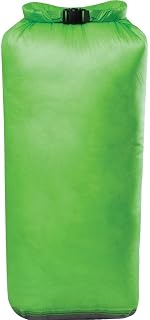
Granite Gear is a Minnesota-based company that specializes in lightweight gear for paddlers and backpackers. Their dry sacks are slightly heavier than Sea to Summit (around 50–70 grams per bag) but use a more durable ripstop nylon that resists puncture better. Prices range per bag.
The sealing system is the same roll-top design, but Granite Gear adds a small loop at the top that you can clip a carabiner through, which makes lashing the bag to your kayak easier. Per owner reports on r/CampingGear, this small detail makes a real difference on the water — you’re not fumbling to tie knots when you’re loading in a current.
Granite Gear also offers nested sizing (the bags nest inside each other when empty), which saves space in your storage at home. For kayak camping, this means you can carry multiple sizes without taking up much room in your hull.
Why it’s cheap: Granite Gear doesn’t spend money on fancy marketing or premium materials. They focus on function and durability for paddlers. The price reflects that no-nonsense approach.
Watch for: The ripstop weave adds a tiny bit of weight compared to plain nylon, but it’s worth it. Some owners report that the seams can start to leak after 4–5 years of heavy use, but this is normal for budget ultralight bags and is not a defect — it’s just the cost of going light.
REI Co-op Waterproof Stuff Sacks
Waterproof Stuff Sack by REI Co-op
REI’s house-brand dry sacks are designed specifically for paddlers and are priced aggressively to compete with Sea to Summit, running per bag. The fabric is a lightweight nylon-polyurethane blend, and the sealing mechanism is a straightforward roll-top with a carabiner loop.
What sets REI’s bags apart is customer service. If a bag fails within a year, REI’s return policy is generous — no questions asked. For a budget-conscious paddler, this is real peace of mind. According to owner reports on r/Kayaking, REI’s bags have a strong reputation for reliability, and the company’s warranty makes them an easy choice for first-time buyers.
The sizes range from 2 liters to 20 liters, and they’re available in multiple colors (which is useful if you want to color-code your packing system).
Why it’s cheap: REI is a co-op, so they don’t have to maximize shareholder profit. They also manufacture at scale and sell directly through their stores and website, which cuts out retail markup.
Watch for: REI bags are slightly heavier than Sea to Summit (around 60–80 grams), so if you’re obsessed with ounces, you might notice. But for most paddlers, the difference is negligible, and the durability gain is worth it.
Hyperlite Mountain Gear Ultralight Dry Sacks
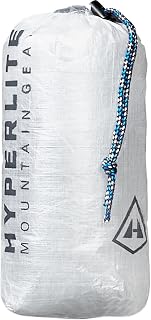
Hyperlite Mountain Gear is a newer ultralight brand that’s gained a following among weight-obsessed backpackers and paddlers. Their dry sacks are among the lightest on the market and are priced surprisingly low for the quality, running per bag.
The fabric is a premium nylon-polyurethane blend, and the seams are stitched with reinforced edges. The roll-top closure is dead simple: roll, clip, done. Per owner reports on r/Ultralight, these bags are reliable even after multiple seasons, and the weight savings are real if you’re trying to shave grams.
Hyperlite also offers custom sizing and colors, which is unusual at this price point. If you want a bag that’s exactly 7 liters instead of the standard 5 or 10, you can order it.
Why it’s cheap: Hyperlite is a direct-to-consumer brand that sells through their website, which eliminates retail markup. They also use thin materials and simple designs, which keeps manufacturing costs down.
Watch for: Because the fabric is so thin, these bags are more prone to puncture than heavier alternatives. They’re best suited for paddlers who are careful with their gear and don’t plan to drag bags across rocky shores. Also, the custom sizing option means longer lead times — don’t order these a week before a trip.
Building a Budget Ultralight Dry Bag System
One bag isn’t enough for a multi-day kayak camping trip. Most paddlers use a modular system of 3–5 bags in different sizes, each dedicated to a specific category of gear.
Here’s a typical setup for a solo paddler in temperate conditions on a 3-day trip:
- 1× 20-liter bag — sleeping bag, quilt, or other bulky insulation.
- 2× 10-liter bags — one for clothing, one for food and kitchen gear.
- 1× 5-liter bag — electronics, first aid, repair kit, and other small valuables.
- 1× 2-liter bag — headlamp, sunscreen, and other quick-access items.
This approach lets you organize your gear logically, and it makes repacking easier. If you want to swap out a sleeping bag mid-trip, you just grab the 20-liter bag instead of unpacking everything. Total cost for this system: using budget ultralight brands.
According to multiple owner reports, a mixed system of budget ultralight bags (like a combination of Sea to Summit and Granite Gear) costs less than a single premium dry bag from a specialty brand, and the modularity is worth far more than the cost.
Waterproofing: How Good Is “Good Enough”?
A common question: do budget ultralight dry bags actually keep water out?
The answer is yes — with caveats. A properly sealed roll-top bag will keep water out in normal paddling conditions. If you capsize, a sealed bag will stay dry inside, even if the outside is submerged.
However, a roll-top seal is not bomb-proof. If you only do a single roll and then toss the bag around, water can creep in around the edges. If you pack something with sharp edges that pokes through the fabric, water will follow. And if you leave a bag open in the rain, it will get wet.
Most experienced paddlers report that a double or triple roll is the standard for serious trips. It takes five extra seconds and adds almost no weight, and it dramatically reduces the risk of water creeping in around the seal.
Also, the fabric itself is waterproof, but it’s not infinitely durable. After 5–10 years of exposure to UV and salt water (if you’re paddling coastal), the polyurethane coating can start to degrade. This is normal and not a defect — it’s just the cost of using thin, lightweight materials. If you’re paddling inland on fresh water, the bags will last longer.
Budget Dry Bags vs. Premium Alternatives
Here’s the honest comparison:
Budget ultralight dry bags : - Pros: Light, cheap, reliable for 3–5 seasons. - Cons: Thin fabric, prone to puncture, seams may leak after heavy use. - Best for: Paddlers who are careful with gear, don’t plan multi-year expeditions, and want to maximize value.
Mid-tier dry bags : - Pros: Thicker fabric, more durable seams, better hardware. - Cons: Heavier, more expensive, overkill for most kayak camping trips. - Best for: Paddlers who value durability over weight, or who plan to use the same bags for 10+ years.
Premium ultralight dry bags (+): - Pros: Lightest weight, premium materials, often custom sizing. - Cons: Expensive, not significantly more reliable than budget bags. - Best for: Weight-obsessed ultralight enthusiasts, or paddlers with unlimited budgets.
For most kayak campers, budget ultralight is the sweet spot. You get 90% of the performance at 50% of the cost.
Where to Buy Budget Ultralight Dry Bags
- Amazon — Sea to Summit and Granite Gear bags are widely available, with fast shipping and easy returns.
- REI.com — REI Co-op bags, plus Sea to Summit and Granite Gear. REI members get a discount.
- Direct from manufacturer — Hyperlite Mountain Gear, Sea to Summit, and Granite Gear all sell direct. Sometimes there are sales or bulk discounts.
- Local outdoor retailers — if you have a paddling shop nearby, they often stock budget ultralight bags and can let you feel the fabric before buying.
Related Gear for Your Kayak Camping System
A dry bag is just one piece of the ultralight kayak camping puzzle. To build a complete system, consider:
- best ultralight kayak camping tents under 200 — lightweight shelter options that pair well with modular dry bag systems.
- ultralight sleeping bags for paddlers — how to choose insulation that fits in your 20-liter dry bag.
- best ultralight kayak camping gear under 500 — a full breakdown of budget ultralight gear across all categories.


