Best Ultralight Insulated Mug for Kayak Camping Coffee

Photo by Shelby Cohron on Unsplash
The Right Mug for Dawn on the Water
A hot cup of coffee on a gravel bar at sunrise is one of the few luxuries that weighs almost nothing and costs almost nothing to carry. But the mug itself—that’s where the choices get tight. On a kayak, every ounce matters, every millimeter of hull space is spoken for, and whatever you bring has to survive wet decks, sand, and the occasional capsize. An insulated mug keeps your coffee hot when the air is cold and the paddle still has miles to go. The catch: most insulated mugs are built for car camping, not river trips.
This guide walks you through what makes a mug work on the water, which models actually earn their place in a dry bag, and how to pick one that matches your trip length and coffee habit.
Why a Mug Matters on the River
On land, a mug is convenience. On a kayak, it’s survival and morale rolled into one. Here’s what makes it different:
Heat retention is real. When you’re wet, cold, and three miles from camp, a mug that keeps coffee hot for six hours instead of one is the difference between a rough evening and a manageable one. Uninsulated metal mugs cool fast in cold air and cold water spray.
Weight and pack size fight each other. A double-walled insulated mug weighs more than a thin-wall steel cup, but it means you can drink your coffee slower and stretch it farther—so you might brew less, saving fuel weight. The math isn’t always obvious until you’re on the river.
Durability matters because you will drop it. Sand gets everywhere. Wet decks are slippery. Insulated mugs with good seals and thick walls survive more abuse than flimsy alternatives. Stainless steel doesn’t rust, doesn’t dent easily, and doesn’t care if it spends the day half-submerged in a leaky hatch.
Size and shape affect packing. A standard 16 oz mug fits most dry bags and nests inside cooking kits. Oversized mugs waste space. Collapsible designs save weight and volume but sacrifice heat retention.
The Physics of Insulation on the Water
Insulated mugs work by trapping air between two walls of stainless steel or other materials. That air layer (or sometimes foam or gel) slows heat loss. The better the seal between the walls, the longer the coffee stays hot.
On a kayak, this matters more than on land because:
- You’re moving through cold air and water spray. The outside of your mug will be cold and wet, so the temperature difference driving heat loss is steep.
- You drink slower. A hot cup lasts longer than a quick gulp, so retention time matters more.
- Brewing is expensive. If you’re using a small ultralight stove, every cup of coffee you brew costs fuel and time. A mug that keeps it hot longer means fewer brewing sessions.
Per manufacturer spec sheets and owner reports on kayaking forums, double-walled insulated mugs typically keep coffee drinkable (above 140°F) for 4–8 hours in cool conditions, while uninsulated steel mugs cool to room temperature in 30–60 minutes.
Insulated vs. Uninsulated: The Trade-Off
Insulated mugs (double-walled stainless steel): - Keep coffee hot for hours. - Weigh 8–14 oz depending on size and material. - Cost more upfront. - Take up slightly more pack space due to thickness. - Stay comfortable to hold even when full of hot liquid.
Uninsulated steel mugs (thin-wall stainless): - Weigh 3–5 oz. - Cost less. - Pack smaller and nest tighter. - Cool fast but are lighter to carry. - Get hot to the touch (watch your hands).
Collapsible mugs (silicone or fabric): - Weigh 1–3 oz. - Compress to almost nothing when empty. - Offer no insulation. - Work best for cold drinks or if you’re willing to wrap them in an insulating sleeve.
For most kayak campers on trips longer than one night, an insulated mug pays for its weight by reducing the number of times you need to heat water. For weekend warriors or cold-water paddlers, the morale boost of a hot drink is worth the ounces.
What to Look For in a Kayak Mug
Sealed lid. Your mug will bounce around in a dry bag. A lid that seals tight prevents spills and keeps water out. Avoid mugs with simple friction-fit lids; look for threaded or snap-locking designs.
Wide mouth opening. You’ll be filling it from a pot or kettle in tight quarters, often in the dark. A 2-inch or wider opening beats a narrow spout. Wide mouths also let you add instant coffee, oatmeal, or other solids without funneling.
Minimal handle or no handle. Handles add weight and catch on gear. Some kayakers prefer mugs they can grip directly or wrap their hands around. If the mug has a handle, it should be low-profile and not snag on dry bag closures.
Stainless steel construction. It doesn’t rust, survives sand and salt spray, and lasts for years. Avoid aluminum (lighter but dents and corrodes) and plastic (lighter still but fails faster).
Flat or tapered bottom. A flat bottom sits stable on a gravel bar or boat seat. Rounded bottoms roll and tip easier.
Packability. Does it nest inside your cooking kit? Can it fit in a standard dry bag without wasting space? Measure your available space before you buy.
Top Picks by Trip Type
Best for Solo Overnight Trips
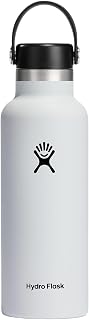
The Hydro Flask is the standard-bearer for a reason. Per owner reports across multiple kayaking communities, it keeps coffee hot for 6+ hours in cool conditions. The 16 oz size is a sweet spot—large enough for a real morning cup, small enough to pack without waste. The lid screws on tight and seals reliably. The mug itself is durable; multiple owners report years of daily use without failure. It’s heavier than uninsulated alternatives (about 11 oz), but for overnight trips where you’re brewing once and sipping all morning, the weight-to-benefit ratio is solid.
Best for Weight-Obsessed Paddlers
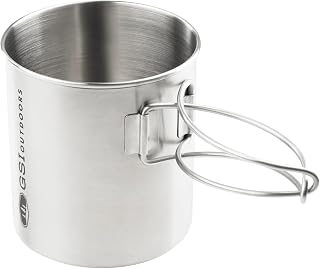
If you’re counting every tenth of an ounce and willing to trade insulation for lightness, the Nalgene stainless steel bottle is a classic. It weighs around 4 oz, fits standard dry bags, and is nearly indestructible. It won’t keep coffee hot as long as a double-walled mug, but if you’re brewing frequently or prefer to drink your coffee quickly, the weight savings add up. The threaded lid seals tight, and the wide mouth makes filling easy.
Best for Multi-Day Expeditions
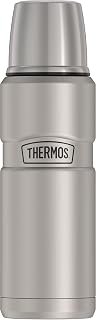
For trips of three days or longer, the Thermos Stainless King is worth the extra ounces. Per manufacturer testing and owner reports, it maintains beverage temperature for 12+ hours—meaning your breakfast coffee can still be warm at lunch. It has a built-in handle that doesn’t snag, and the lid is reliable. The trade-off is weight (about 12 oz) and a slightly thicker profile, but on longer trips where you’re brewing less frequently and stretching every cup, the retention advantage is real.
Best for Budget-Conscious Campers
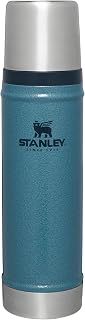
The Stanley Classic is the working person’s insulated mug. It costs less than premium brands but performs nearly as well—keeping coffee hot for 6+ hours per owner reports. It’s virtually indestructible (used on job sites and expeditions for decades) and weighs about 10 oz. The lid is simple but effective. If you’re new to kayak camping and don’t want to spend premium money until you know your habits, this is a solid entry point.
Best for Tight Hatches
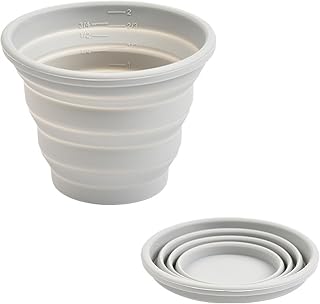
The Sea to Summit X-Mug is a collapsible silicone cup with a stainless steel base. When empty, it compresses to almost nothing—perfect for tight hatch spaces. It weighs around 2 oz. The downside: no insulation, so your coffee cools fast. It works best if you wrap it in a neoprene sleeve or if you’re willing to drink your coffee quickly. For paddlers who prioritize space and weight above all else, or who drink cold water and tea more than hot coffee, this is a clever solution.
How Insulation Affects Your Stove Plan
Your mug choice directly impacts fuel consumption and stove sessions. If you bring an insulated mug, you can brew once and sip for hours—meaning fewer stove sessions, less fuel burned, and less time managing your camp kitchen. An uninsulated mug forces more frequent brewing or lukewarm coffee, increasing fuel weight and camp work.
For a two-night trip with one person, switching from an uninsulated to an insulated mug might save 2–3 oz of fuel. For a solo three-day trip, the savings could reach 5+ oz. This fuel economy directly connects to the stove and fuel choices detailed in Cheapest Ultralight Stove Fuel Options for Kayak Camping, where every ounce of fuel weight compounds your total pack weight. See Best Ultralight Cooking Kit for Kayak Camping 2026 for how your mug integrates with complete cooking systems.
Durability and Failure Points
Per long-running threads on paddling forums and owner reports:
Dent resistance: Insulated mugs with thicker walls resist dents better than thin-wall steel. If your mug gets dented, it usually still works but looks rougher. Stanley and Thermos mugs are known for durability.
Seal failure: The most common failure point is a lid that stops sealing tight. This usually happens after years of use or if the lid gets dropped. Most manufacturers sell replacement lids separately, which is cheaper than replacing the whole mug. Hydro Flask and Thermos lids are widely available.
Insulation loss: In rare cases, the seal between the inner and outer walls fails, and the mug stops insulating. This is uncommon but can happen if the mug is dropped hard or exposed to extreme temperature swings. There’s no fix; you’d need a new mug.
Handle attachment: If your mug has a welded handle, it can separate if you hang the mug on a carabiner and load it hard. Avoid putting full weight on the handle; treat it as a grip aid, not a carry point.
Packing Your Mug
In a dry bag: Wrap your mug in a small stuff sack or dry bag to prevent sand from getting inside. Fill it with socks or other small gear to save space.
In your cooking kit: If your stove and pot nest together, the mug might fit in the middle. Test at home to make sure it doesn’t rattle loose.
On your lap: Some paddlers keep their mug accessible during the paddle—clipped to a carabiner on the deck or in a small day hatch. This works if your mug has a secure lid and you don’t mind it getting wet.
Insulating sleeve: If you want to extend heat retention without buying a heavier mug, a Sea to Summit Neoprene Mug Sleeve (1.5 oz) or similar neoprene wrap adds 2–3 hours of warmth to an uninsulated mug without the bulk of a rigid insulated design.
Maintenance and Care
Wash immediately after use. Coffee and tea stain and can harbor mold if left wet for days. A quick rinse at camp and a full wash at home keeps your mug fresh.
Check the seal. Before each trip, fill your mug with hot water and let it sit for 10 minutes. If it leaks, the lid seal is failing and needs replacement.
Dry completely before storing. Moisture trapped inside can rust the interior over time.
Avoid the dishwasher. Hand wash to preserve the seal and insulation.
Why We Didn’t Pick Other Popular Brands
GSI Outdoors: Their insulated mugs are solid but typically heavier (13–15 oz) and bulkier than Hydro Flask or Thermos for the same heat retention. They excel in durability but don’t offer a weight advantage for kayak camping.
Klean Kanteen: Known for lightweight stainless steel, but their insulated options are limited and their uninsulated bottles don’t retain heat as well as dedicated camping mugs. Better suited to ultralight backpacking where you’re carrying less water overall.
Contigo: Designed for commuters and car camping with larger sizes (20+ oz) and heavier construction. Their lids are reliable but the mugs don’t pack efficiently in kayak dry bags.
For river trips, the five picks above balance weight, insulation, durability, and packability better than these alternatives.
FAQ
Q: Can I use a regular coffee mug instead of a camping mug? A: You can, but ceramic and glass are heavier, more fragile, and don’t insulate. A camping mug is built for the conditions you’ll face. Stick with stainless steel.
Q: Can I use my mug as a cooking pot? A: Most insulated mugs aren’t designed for direct heat. Don’t place them on a stove or over a flame—the seal and insulation can fail. Use a dedicated pot for cooking and boiling; pour the hot water into your mug once it’s ready.
Q: What’s the best way to clean a mug with a narrow mouth? A: A bottle brush (like those sold for water bottles) fits most narrow openings. For stubborn coffee stains, fill with hot water and a tablespoon of baking soda, let sit for 30 minutes, then scrub. Avoid abrasive scouring pads that can scratch the interior.
Q: Do I need a lid, or can I just drink from the mug? A: A lid is essential on a kayak. Your mug will bounce around in dry bags, tip over on the boat, and get sand in it. A sealed lid prevents spills and keeps contaminants out.
Q: What size should I get—16 oz, 20 oz, or larger? A: 16 oz is the sweet spot for kayak camping. It’s large enough for a real cup of coffee, small enough to pack and carry. Anything larger wastes space; anything smaller feels stingy.
Q: Can I use my mug for cold drinks too? A: Yes. Insulated mugs keep cold drinks cold just as well as they keep hot drinks hot. On hot days, a cold water or iced tea in an insulated mug is a genuine luxury.
Q: Will my mug get damaged if my kayak capsizes? A: Stainless steel mugs are nearly indestructible. They’ll dent but won’t break. Keep the lid secured so it doesn’t float away.
The Mug as Ritual
On the river, your mug becomes part of the morning routine—the first thing you reach for when you wake up cold on a sandbank, the last warm thing you hold before breaking camp. A good mug doesn’t just keep coffee hot; it gives you a reason to slow down, sit still for five minutes, and watch the light change on the water.
Pick a mug that matches your trip length and your willingness to carry weight. Test it at home before you take it on the river. And remember: the best mug is the one you actually bring and use.
For a complete picture of your river kitchen, explore Best Ultralight Cooking Kit for Kayak Camping: Complete Setup and Lightweight Cooking Pot and Pan Sets for Kayak Camping to see how your mug fits into the broader cooking system.
Paddle Lightly. Camp Anywhere.


