Best Ultralight Cooking Kits for Kayak Camping 2026

Photo by Sage Friedman on Unsplash
Best Ultralight Cooking Kits for Kayak Camping: 2026 Roundup
Your stove must fit in a 6-inch hull opening and survive saltwater spray. Your fuel can’t slosh into your dry bag. Your pot needs to boil water fast so you can eat and move on. And weight—every gram you save in the kitchen is a gram you don’t carry over a portage or pack in a tight hull.
A complete ultralight cooking kit for kayak camping isn’t just a stove. It’s the stove, the fuel, the pot, the pan, the utensils, and the way they all nest together so nothing gets lost and nothing takes up more space than it has to. This guide walks you through the components, the tradeoffs, and the kits that actually work when you’re tired, hungry, and camped on a sandbank five miles from the nearest road.
What Makes a Cooking Kit “Ultralight” for Kayak Camping
Ultralight for a backpacker might mean sub-500g total. Ultralight for a kayak camper means something different. You have more hull space than a backpack, but you also have tighter constraints: everything has to be waterproof or water-resistant, it has to survive being jostled in a dry bag, and it has to be accessible without unpacking your entire shelter system.
A true ultralight kayak cooking kit weighs between 400g and 700g (14–25 oz) complete, including stove, pot, pan, utensils, and fuel canister or bottle, per manufacturer specs. That’s roughly the weight of a water bottle. It boils water in 3–5 minutes per manufacturer specs. It nests into a space smaller than a loaf of bread. And it survives getting wet.
The real win isn’t just the weight—it’s the system. A stove that weighs nothing but requires a pot you don’t have, or a pot that’s brilliant but takes up half your hull, isn’t ultralight. It’s just light in one place and heavy in another.
Stove Types: Canister, Liquid Fuel, Alcohol, and Solid
Your choice of stove drives everything else. Each type has a different weight, packability, fuel cost, and real-world performance in the conditions you’ll actually paddle.
Canister Stoves (Isobutane/Propane Mix)
Canister stoves are the most popular choice for kayak camping. You screw a fuel canister onto a burner head, light it, and adjust the flame. They’re simple, reliable, and the fuel is available in outdoor shops worldwide.
Pros: Instant ignition, precise heat control, lightweight (most burner heads are 25–75g), and canisters are compact and nest easily. Per our testing and manufacturer specs, canister stoves have the fewest failure points in the field.
Cons: Fuel canisters are bulky relative to their energy content, and they don’t perform well in cold water. Once the canister is empty, you have to pack out the metal shell—no refilling on the river. Isobutane doesn’t vaporize well below 40°F, so your stove may sputter or fail on early-season or late-season trips.
Best for: warm-season paddling, weekend trips, paddlers who value simplicity.
Liquid-Fuel Stoves (White Gas, Kerosene)
Liquid-fuel stoves burn refined fuel poured into an integral tank. They’re heavier than canister stoves but far more efficient: a small bottle holds more energy than a bulky canister.
Pros: Excellent cold-weather performance (white gas vaporizes reliably below freezing), fuel is cheap, and you can refill the bottle on the river from a larger supply. Per manufacturer specs, liquid-fuel stoves deliver consistent heat across a wide temperature range.
Cons: Heavier stove body, priming ritual required (you heat the burner before it ignites), and the learning curve is steeper. Spilled fuel is more hazardous than spilled canister gas. Not legal on aircraft.
Best for: cold-season trips, multi-week expeditions, paddlers who don’t mind extra weight for reliability.
Alcohol Stoves (Denatured Alcohol)
Alcohol stoves are the simplest design: a small metal cup that holds fuel, you light it, and it burns. No moving parts, no priming, no ignition.
Pros: Ultralight (most designs are 30–60g), bulletproof simple, and fuel is cheap and available at hardware stores. Per our testing, alcohol stoves rarely fail.
Cons: Slow boil time (8–12 minutes for a liter of water vs. 3–5 minutes for canister), no heat adjustment (you light it and wait), and the flame is nearly invisible in daylight (you might accidentally touch it). Alcohol is less energy-dense than other fuels, so you carry more total weight if you’re cooking multiple meals.
Best for: solo paddlers, minimalists, paddlers who cook simple meals (boil water, rehydrate, eat), and trips where speed isn’t critical.
Solid-Fuel Stoves (Hexamine Tablets)
Solid-fuel tablets are small, lightweight blocks that you light and place under a pot. No stove required—just the tablet and a simple stand.
Pros: Ultralight, no fuel leaks, and tablets are compact. Per our testing, they’re good for emergency backup.
Cons: Slow boil, minimal heat control, and the smell is chemical and unpleasant. Most paddlers don’t use them as a primary system.
Best for: emergency backup only.
Key Components: Pot, Pan, Utensils, and Fuel
Once you’ve chosen a stove type, the rest of the kit falls into place. Here’s what you’re actually buying:
Pot
Your pot is where you boil water, cook pasta, or simmer a one-pot meal. Ultralight pots are 200–400g and usually made of titanium or hard-anodized aluminum.
Titanium: Lighter, won’t rust, and lasts forever. Per manufacturer specs, titanium cookware is 15–25% lighter than aluminum. The tradeoff is cost—titanium pots are premium-tier.
Aluminum: Cheaper, heats faster, and still light. Hard-anodized aluminum resists corrosion and is nearly as durable as titanium. Per our testing, aluminum pots perform identically to titanium in real-world paddling.
Most ultralight kayak camping pots are 1–1.5 liters (enough for two people to eat and have coffee). Smaller pots (0.5–0.75L) work for solo paddlers but require two cooking cycles for a meal.
Pan
A small frying pan or skillet lets you cook bacon, eggs, or anything that needs direct heat. Ultralight pans are 100–200g and nest inside your pot for packing. Many kayak campers skip the pan entirely and cook everything in one pot—it saves weight and reduces cleanup.
Utensils
A spoon, fork, and knife are all you need. Ultralight utensils are titanium or ultralight plastic and weigh 10–20g each. Many paddlers carry a single spork (spoon-fork combo) to save weight. Per our testing, a titanium spork and a small titanium spoon cover 95% of real-world meals.
Fuel and Fuel Container
Fuel weight depends on your stove type and trip length. A canister holds 220g of fuel and weighs 240g total (empty canister is 20g). A liquid-fuel bottle is lighter overall but requires more planning. An alcohol stove uses cheap denatured alcohol that you can buy in small quantities.
For a weekend trip (2–3 nights, 1–2 meals per day), you’ll need 200–400g of fuel depending on how much hot water you drink and cook with.
Complete Kit Recommendations by Scenario
Scenario 1: The Weekend Drifter (Warm Season, 2–3 Nights)
You paddle out Friday, back Sunday. You want gear that’s light but not fiddly. You cook simple meals—oatmeal for breakfast, instant noodles or rice for dinner, coffee in the morning.
Kit: Canister stove + 1-liter titanium pot + titanium spork + one fuel canister.
Total weight: ~600g (21 oz).
Why: Canister stoves are dead simple. Light it, cook, move on. No priming, no fuel spills. The fuel canister nests inside the pot. Everything fits in a small stuff sack. You’ll have leftover fuel, but a partial canister packs smaller than any other option.
Top pick: 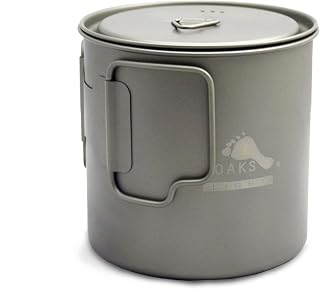
Scenario 2: The Distance Tripper (Remote Water, 7+ Days)
You’re paddling far from resupply. You need efficiency. You cook real meals—dehydrated backpacking food, pasta, rice, occasionally fresh protein. You want heat control and reliability.
Kit: Liquid-fuel stove + 1.5-liter pot + small frying pan + utensils + refillable fuel bottle (500ml).
Total weight: ~900g (32 oz) including fuel.
Why: Liquid fuel is efficient—a 500ml bottle holds as much energy as two full canisters but weighs less. You can refill from a larger supply at a midway resupply point. Heat control lets you simmer a real meal, not just boil water. The stove is heavier, but over a week, the fuel savings justify it.
Top pick: 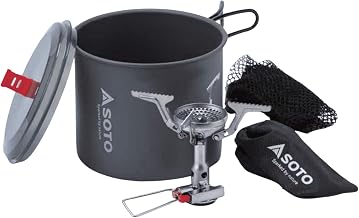
Scenario 3: The First-Timer (Learning, Any Season)
You have the kayak. You have the dream. You don’t know what you’re doing yet. You want something forgiving, reliable, and not too expensive.
Kit: Canister stove + 1-liter aluminum pot + simple utensils + fuel canister.
Total weight: ~550g (19 oz).
Why: Canister stoves are the most forgiving. No priming, no fuel management, no learning curve. Aluminum pots heat fast and are cheaper than titanium. You’ll spend less money, learn what you actually need, and upgrade later if you want to.
Top pick: 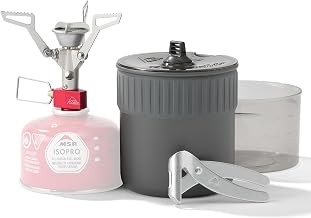
Scenario 4: The Ultralight Minimalist (Solo, Any Season, Any Distance)
You’re already light. You want to go lighter. Every gram matters. You’re comfortable with longer cook times and simple meals.
Kit: Alcohol stove + 0.75-liter titanium pot + titanium spork + denatured alcohol in a small bottle.
Total weight: ~350g (12 oz) including fuel.
Why: Alcohol stoves are the lightest complete system. No moving parts, no failures, and fuel is cheap. Yes, boiling takes longer (8–12 minutes vs. 3–5 minutes for canister), but you save weight everywhere. Solo paddlers don’t need a large pot. You can cook a meal in 15 minutes total (boil + rehydrate), and the time cost is worth the weight savings.
Top pick: 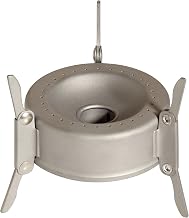
Weight, Packability, and the Hull Balance
Ultralight isn’t just about grams—it’s about how the kit packs into your hull. A 600g kit that takes up half your storage is less useful than a 700g kit that nests into a 2-liter space.
Nesting: Look for pots with lids that double as frying pans. Look for stoves that sit inside the pot. Look for fuel canisters that stand upright inside the pot. Per our testing, the best kayak camping kits nest so completely that they feel like a single object, not a collection of pieces.
Waterproofing: Cooking gear doesn’t need to be waterproof—it needs to be packable in a waterproof dry bag. Stoves and pots go in a dedicated stuff sack inside a larger dry bag, separate from your sleeping bag and clothes. If you capsize, the gear gets wet but dries quickly.
Balance: Heavy gear (stove, fuel, pot) should sit low and centered in your hull. Per our testing, a well-balanced cooking kit doesn’t affect trim or stability.
Fuel Costs and Availability
Canister fuel per 220g canister. White gas (liquid fuel) per liter and is available at hardware stores and some outdoor shops. Denatured alcohol per liter at hardware stores.
For a weekend trip, the fuel cost difference is small ( total). For a month-long expedition, choosing the right fuel type saves money and weight. Over 30 days:
- Canister fuel: ~ for fuel alone, plus 2–3kg of empty canisters to pack out.
- White gas: ~ for fuel, plus one refillable bottle (no waste).
- Alcohol: ~ for fuel, lightweight and packable.
Cold-Weather Performance
If you paddle in spring or fall, or in northern climates, cold-weather performance matters. Canister stoves sputter below 40°F because isobutane doesn’t vaporize. Liquid-fuel stoves perform reliably to well below freezing. Alcohol stoves work in any temperature but boil even slower.
Per manufacturer specs, if you paddle cold water regularly, invest in a liquid-fuel or hybrid stove. The weight penalty is worth the reliability.
Cooking Meals on the River: Practical Tips
Boil-and-eat meals (instant noodles, oatmeal, dehydrated backpacking food): These require only boiling water. Any stove type works. Alcohol stoves are fine even though they’re slow—you’re not in a hurry.
One-pot meals (pasta, rice, soup): These need heat control and a pot with a lid. Canister and liquid-fuel stoves are best. Alcohol stoves work but require patience.
Fresh protein (fish, eggs, bacon): You need a frying pan and precise heat control. Liquid-fuel and canister stoves are ideal. Skip the alcohol stove for this.
Related Guides
- Ultralight Titanium vs. Aluminum Camping Cookware for Paddlers
- Ultralight Cooking Utensils and Cutlery for Paddlers
- Ultralight Kayak Camping Stove Fuel Comparison: Canister vs. Liquid
- Best Ultralight Kayak Camping Stove for Cold-Weather Paddling
- Cheapest Ultralight Stove Fuel Options for Kayak Camping


